
Uncategorized
5-Day North Bali Real Estate Itinerary: Visiting Top Resort Hubs and Transport Infrastructure P
· June 30, 2026 · 7 min
Story — Uncategorized
Explore North Bali’s real estate opportunities through a focused 5-day itinerary that takes you through key resort hubs and examines emerging transport infrastructure projects, offering insights into regional growth potential and investment prospects.
Day 1: Arrival and Exploration of Lovina Beach
Begin your North Bali exploration at Lovina Beach, renowned for its tranquil black sand beaches and calm sea. Lovina serves as a prominent resort hub in North Bali, attracting visitors and investors alike. Its strategic location offers a unique mix of leisure and investment potential, with real estate prices for beachfront properties averaging around USD 100,000 to USD 150,000 per hectare, depending on proximity to the beach. The area’s gradual development and potential for luxury resorts are key attractions for savvy investors aiming for high returns in the real estate market.
While here, take a stroll through local markets and explore nearby dining options, which feature a mix of local Balinese and international cuisines. The area is known for its quiet charm and provides a stark contrast to the busy southern parts of Bali. Investors can benefit from the steady flow of tourists who prefer the peace and natural beauty of North Bali, enhancing the prospect of rental yields and property value appreciation. With its proximity to tourist attractions such as the Banjar Hot Springs and Brahmavihara-Arama Buddhist Monastery, Lovina is set to remain a cornerstone for regional tourism growth.
Day 2: Infrastructure Developments in Singaraja
Singaraja, the capital of Buleleng Regency, is a key area in North Bali undergoing significant infrastructure developments. The government’s focus on improving transport links, such as the planned North Bali Airport project, is integral to boosting the area’s accessibility and attractiveness to investors. Although the airport is still in the planning stages, projections suggest it could dramatically reduce travel times, setting a foundation for increased property values. This development is expected to coincide with improvements in road infrastructure, further integrating Singaraja into Bali’s broader economic framework.
Real estate investors should monitor these developments closely as they signal future growth potential. The anticipated infrastructure improvements will likely lead to increased demand for both residential and commercial properties, making early investment an attractive proposition. The area’s historical significance, combined with educational institutions like the Ganesha University of Education, adds layers of investment potential by attracting students and academic professionals, creating a diverse property market.
Day 3: Cultural and Natural Attractions of Munduk
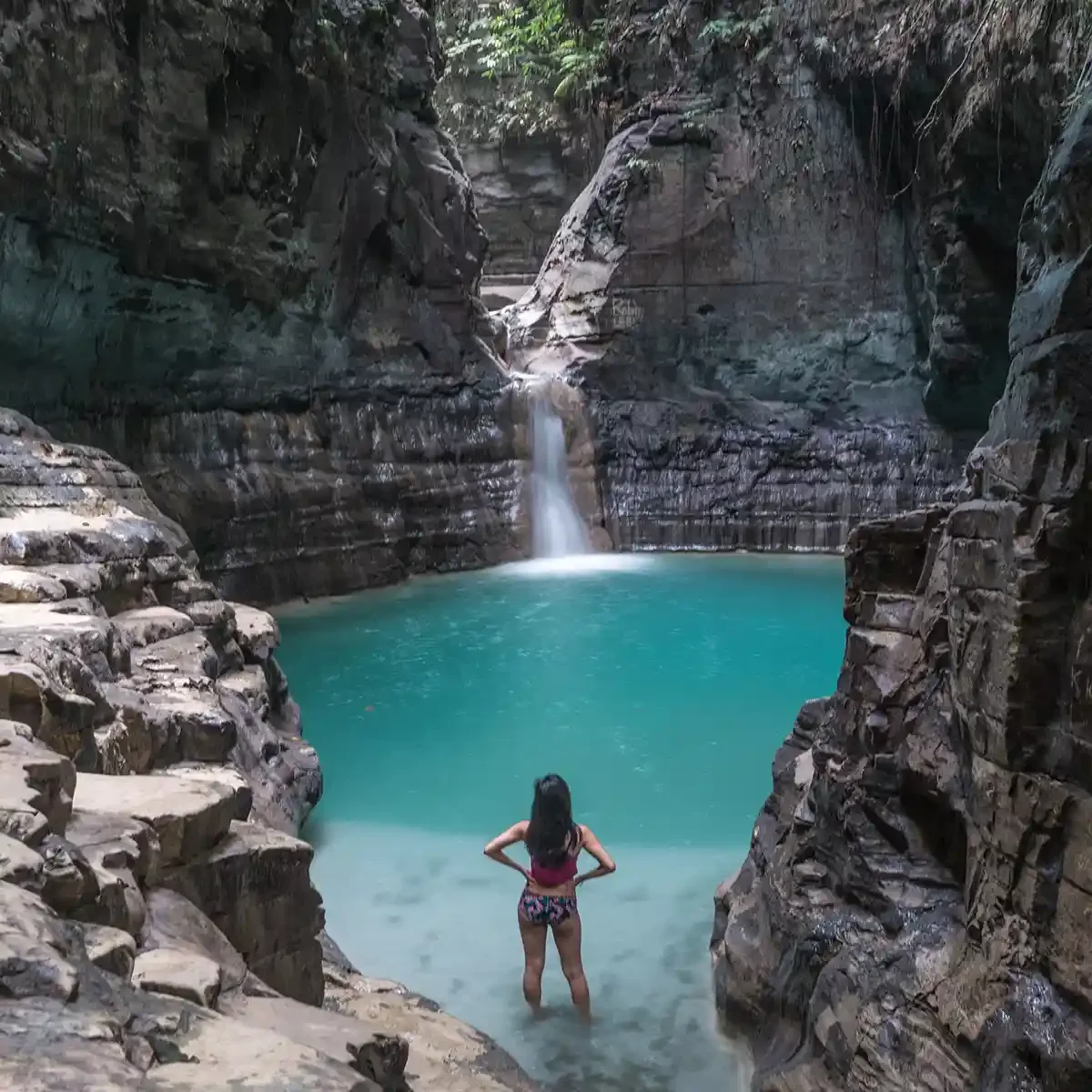
Munduk, a picturesque village in the highlands of North Bali, offers a distinct investment opportunity due to its growing reputation as an ecotourism hotspot. With average land prices ranging from USD 50,000 to USD 80,000 per hectare for properties with views of lush green landscapes and waterfalls, Munduk is becoming a focus for eco-friendly developments. Notable natural attractions, such as the Munduk Waterfall and Tamblingan Lake, draw tourists seeking outdoor adventures and cultural immersion.
The village’s cooler climate and rich cultural heritage, featuring traditional Balinese dance and music, make it a favored destination for tourists seeking an authentic Balinese experience. For investors, the potential for developing eco-lodges and sustainable resorts is significant, particularly as more visitors seek environmentally conscious travel experiences. Additionally, Munduk’s agricultural products, including coffee and spices, present opportunities for investments in agritourism, further diversifying its economic potential.
Day 4: Exploring Pemuteran and the Menjangan Marine Park
Pemuteran, located on Bali’s northwest coast, is another emerging area for real estate investment, especially for those interested in marine tourism. Known for its excellent diving spots and proximity to the Menjangan Marine Park, Pemuteran attracts a niche market of diving enthusiasts and conservationists. Land prices near the coast vary, typically ranging from USD 70,000 to USD 120,000 per hectare. The area’s marine biodiversity, exemplified by lively coral reefs and a variety of marine life, is a major draw for eco-tourists and conservation projects.
The area’s commitment to marine conservation and sustainable tourism is a key selling point for investors. The potential for developing eco-friendly accommodations and dive resorts is substantial, given the increasing global emphasis on sustainability in tourism. Investors can capitalize on this trend by focusing on properties that support and enhance the area’s environmental initiatives. The annual Buleleng Bali Dive Festival is a testament to the region’s dedication to promoting marine tourism and preserving its underwater treasures.
Day 5: Future Prospects and Challenges
As you conclude your North Bali itinerary, consider the long-term prospects and challenges facing real estate investment in the region. The anticipated “Super El Niño” in 2027 may impact agriculture in Indonesia, potentially affecting land use and investment strategies. However, North Bali’s focus on tourism and infrastructure projects mitigates some of these risks by diversifying the local economy. The rise of agritourism and sustainable farming practices could further buffer against agricultural downturns caused by climate variability.
Investors should stay informed about regional weather patterns, policy changes, and infrastructure developments that can influence market dynamics. With careful planning and a focus on sustainable and strategic investments, North Bali offers promising opportunities for growth and returns, despite the environmental challenges that may arise. While climate change poses certain risks, it also encourages innovation in the construction of resilient infrastructures and eco-friendly developments, opening new avenues for astute investors.
Day 6: The Role of Cultural Heritage in North Bali’s Development
On the final day of your North Bali exploration, delve into the region’s rich cultural heritage and its role in shaping investment opportunities. North Bali is home to several cultural landmarks, such as the Pura Beji Temple in Sangsit and the historic colonial buildings in Singaraja, which offer unique prospects for cultural tourism developments. The preservation of these sites is crucial in maintaining Bali’s cultural identity while attracting culturally inclined tourists.
Investors can explore opportunities in heritage tourism by developing properties that integrate traditional Balinese architecture and arts. These investments not only appeal to tourists but also contribute to the conservation of local traditions. Additionally, annual cultural events and festivals, such as the Bali Arts Festival, provide platforms for promoting local arts and crafts, further enhancing North Bali’s allure as a cultural destination.
FAQs
Q? How can I invest in North Bali’s real estate market? A: Investing in North Bali’s real estate market involves researching the area, understanding local regulations, and working with a reputable real estate agent. It’s important to consider the region’s growth prospects and infrastructure developments when making investment decisions. Conducting site visits and engaging local stakeholders can provide valuable insights into the market.
Q? What are the projected returns on investment for properties in North Bali? A: While specific returns can vary based on location and property type, North Bali’s growing tourism and infrastructure improvements suggest potential for value appreciation and rental yields. Engaging with local experts can provide further insights into expected returns. Diversifying investments across various types of properties, such as residential, commercial, and eco-friendly lodgings, can optimize potential returns.
Q? Are there any risks to consider when investing in North Bali real estate? A: As with any investment, there are risks such as environmental factors, regulatory changes, and market fluctuations. Staying informed about local developments and maintaining a diversified investment portfolio can help mitigate these risks. Additionally, understanding the legal landscape and securing clear land titles is essential to avoid potential legal disputes.
For wider arrangements, our partner baliluxurytransport can coordinate end to end.
See also: North Bali vs. South Bali for Luxury Transport Investment: Which Region Offers Higher Yield in 2027? · Home.
Related stories
 Understanding Leasehold Structures in North Bali 2027Leasehold in North Bali is a contractual right to use land and any building on it…
 Step-by-Step Freehold Villa Purchase Process 2027Buying a freehold villa in North Bali follows a defined sequence: verify the certificate and the…
 Singaraja Commercial Property Demand Outlook 2027Singaraja is the only genuinely urban commercial market in North Bali, and demand there is driven…