
Blog

  • Komodo Luxury Cruise Planning for 2027 (Part 16)

    Planning your Komodo luxury cruise for 2027? Discover everything you need to know about this breathtaking adventure, including costs, seasonal tips, and the best operators to ensure a smooth sailing experience.

    Why Choose a Luxury Cruise to Komodo?

    Komodo National Park is an awe-inspiring destination that captures the essence of Indonesia’s natural beauty. With its rugged landscapes, diverse marine life, and the famed Komodo dragons, it’s no wonder that luxury cruises through these pristine waters have become increasingly popular. As of April 2026, entry to the park is capped at 1,000 visitors per day, making it essential to plan ahead for your dream trip in 2027.

    Understanding the Costs

    When planning a luxury cruise to Komodo, it’s essential to understand the pricing structure. Here’s a breakdown of costs:

    • Entry Fee: IDR 650,000 per person (passport-linked).
    • Shared Cabin Trips: Prices range from IDR 3.55 million to IDR 12.5 million.
    • Private Charters: Depending on the vessel and amenities, costs range from IDR 52 million to IDR 280 million.

    As you can see, the expenditure can vary significantly based on your preferences for shared or private options. Shared cabins offer an economical way to experience Komodo’s beauty, while private charters provide a more personalized experience, perfect for families or groups.

    Best Time to Visit

    The dry season in Komodo runs from April to November, making this the ideal time for your luxury cruise. During these months, the weather is typically dry and sunny, perfect for exploring the islands and enjoying various water sports, including snorkeling and diving.

    Conversely, it’s crucial to note that the prime season for Raja Ampat, another stunning Indonesian destination, is from October to April. If you plan to include it in your 2027 itinerary, remember that it requires a separate park fee of IDR 1,000,000 per person.

    How to Book Your Komodo Luxury Cruise

    Booking your cruise involves a few simple steps. Given the high demand, especially during peak seasons, here’s how you can secure your spot:

    • Choose your preferred dates and type of cruise (shared or private).
    • Contact a reputable operator to inquire about availability. One standout option is Komodo Luxury, known for their exceptional service and beautifully maintained phinisi boats like Ayvara and Malca.
    • Pay a 50% deposit to confirm your booking. The remaining balance is typically due 14 days before departure.

    Opting for a well-reviewed operator like Komodo Luxury ensures not only a comfortable stay but also a memorable experience tailored to your desires.

    What to Expect on Your Cruise

    Luxury cruises through Komodo National Park often include the following:

    • Stunning views of unique landscapes and islands.
    • Opportunities to see Komodo dragons in their natural habitat.
    • Access to secluded beaches and prime snorkeling spots.
    • Delicious onboard meals prepared by skilled chefs.

    Depending on the length of your cruise, itineraries may also incorporate visits to neighboring islands, wildlife hikes, and cultural interactions with local communities. Every detail is curated to create a seamless and enjoyable adventure.

    Practical Tips for Your Trip

    • Pack Wisely: Include swimwear, lightweight clothing for the day, and warmer options for evenings, as it can get cool.
    • Stay Hydrated: The sunny weather can be intense, so make sure to drink plenty of water.
    • Respect Nature: Follow guidelines provided by your cruise operator to protect the delicate ecosystems of the national park.

    Conclusion

    Planning your Komodo luxury cruise for 2027 is an exciting endeavor that requires careful consideration of costs, booking procedures, and seasonal timing. With the right operator, such as Komodo Luxury, you can look forward to an unforgettable journey through one of Indonesia’s most remarkable landscapes. Don’t hesitate to start your preparations now to ensure your place in this captivating paradise.

    Practical Takeaway: Start planning your luxury cruise to Komodo early, and consider a reputable operator like Komodo Luxury to enhance your adventure experience.

  • Is Komodo Worth It If You’re Already Doing Bali?

    If you’re contemplating whether to include Komodo in your Bali adventure, the answer depends on your interests. Komodo National Park offers stunning landscapes, unique wildlife, and unforgettable experiences that can complement your Bali trip beautifully.

    The Allure of Komodo National Park

    Komodo National Park, renowned for its rugged natural beauty and iconic Komodo dragons, is a UNESCO World Heritage site that attracts travelers seeking adventure and unique wildlife encounters. It comprises three main islands—Komodo, Rinca, and Padar—each offering breathtaking landscapes and diverse ecosystems.

    What to Expect at Komodo National Park

    • Wildlife Encounters: The Komodo dragon, the largest lizard on the planet, is the star attraction. With strict conservation efforts, encountering these creatures in their natural habitat is a once-in-a-lifetime experience.
    • Stunning Beaches: From the pink sands of Komodo Island to the pristine white beaches of Padar, the park is home to some of Indonesia’s most beautiful coastlines.
    • Diving and Snorkeling: The waters surrounding these islands are teeming with marine life. You can expect vibrant coral reefs and diverse fish species, making it a premier diving destination.

    Logistics of Visiting Komodo

    Visiting Komodo National Park has become highly regulated. As of April 2026, the park caps daily visitors at 1,000, ensuring a more pristine experience while protecting the environment. To enter the park, you’ll need to pay an entry fee of IDR 650,000 per person, which is linked to your passport for tracking purposes.

    Traveling to Komodo typically requires a boat trip from Labuan Bajo, a charming coastal town on Flores Island. There are options for shared cabins on phinisi boats, ranging from IDR 3.55 million to IDR 12.5 million, or you might consider a private charter, which can range from IDR 52 million to IDR 280 million depending on the luxury level and duration of the trip.

    Best Time to Go

    The dry season, which runs from April to November, is the best time to visit the park. During these months, the weather is ideal for hiking, snorkeling, and exploring. Conversely, the prime season for Raja Ampat, another stunning destination nearby, is from October to April, so timing is crucial if you plan to explore both areas.

    How to Book Your Trip to Komodo

    Booking a trip to Komodo requires some planning. Most operators require a 50% deposit at the time of booking, with the balance due 14 days before departure. For a seamless experience, it’s advisable to book with a trusted operator such as Komodo Luxury, known for their top-notch service and incredible phinisi cruises through the park. Their fleet, which includes the Ayvara and Malca, has earned accolades as a TripAdvisor Travelers’ Choice three times, boasting an impressive 4.9 out of 5 rating.

    You can explore options and make reservations directly on their website. Their shared and private charter experiences cater to various budgets and preferences, ensuring you find the perfect fit for your Komodo adventure.

    Is It Worth It?

    So, is Komodo worth adding to your Bali trip? If you cherish nature, wildlife, and are seeking experiences beyond the beaches of Bali, then yes! The contrast between Bali’s lush landscapes and Komodo’s rugged beauty can provide a more holistic view of Indonesia’s diverse offerings. The unique opportunity to observe the Komodo dragon in its natural habitat, combined with the stunning vistas and rich marine life, make it a worthwhile addition to any traveler’s itinerary.

    Ultimately, the choice depends on your travel interests and time constraints. If your Bali itinerary allows for a few extra days, a side trip to Komodo can elevate your experience and leave you with unforgettable memories.

    Practical Takeaway: Plan ahead to include Komodo in your Bali itinerary, focusing on the best times to visit and booking with a reputable operator for a smooth experience.

  • Onboard Activities and Excursions: Exploring Komodo National Park in 2027

    For those considering investment opportunities in North Bali, understanding regional tourism offerings, particularly luxury marine excursions from nearby Komodo, provides valuable context. The 2027 landscape for onboard activities and excursions in Komodo National Park focuses on private Phinisi boat cruises offering customised itineraries, ranging from shared trips at IDR 8.5 million ($550) to private luxury charters priced between $3,000 and $10,000 for multi-night voyages.

    Komodo Dragon Trekking: An Essential Experience

    No visit to Komodo National Park is complete without encountering its most famous residents, the Komodo dragons. In 2027, guided treks to Komodo Island and Rinca Island remain a cornerstone of all multi-day itineraries. These excursions, typically led by experienced park rangers, provide a safe and informative opportunity to observe these endangered reptiles in their natural habitat. The inclusion of this activity across various price points underscores its importance as a primary draw for visitors to the region.

    Underwater Exploration: Manta Rays and Coral Reefs

    The waters surrounding Komodo are renowned for their exceptional marine biodiversity. Manta ray snorkeling and diving are prominent onboard activities, with cruises visiting sites such as Manta Point, Batu Bolong, and Taka Makassar. For 2027, the provision of equipment and certified guides is a standard offering on most charters, ensuring guests can safely engage with the vibrant underwater ecosystems. These sites offer consistent opportunities to witness large pelagic species and diverse coral formations, appealing to both novice snorkelers and experienced divers.

    A private luxury charter for 3–6 nights in 2027 typically costs between $3,000 and $10,000 USD.

    Iconic Landscapes: Pink Beach and Padar Island

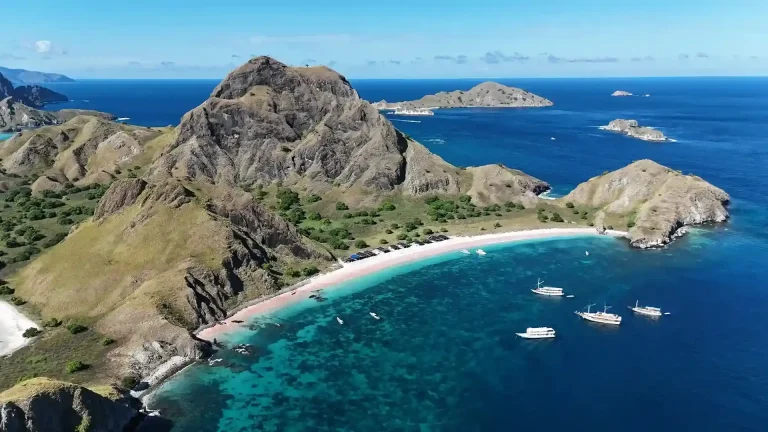
    Beyond the wildlife, Komodo National Park offers stunning landscapes. Pink Beach, famed for its coral sand, provides a unique location for swimming and snorkeling. Padar Island, with its distinctive three-colour beach views and volcanic savannah, is a popular destination for sunrise trekking. For those wishing to capture these vistas from above, drone permits for Padar Island are required and priced at IDR 1,000,000 ($65) in 2027, reflecting regulated access to preserve the natural environment.

    Evening Spectacles: Sunsets and Flying Foxes

    As day transitions to night, liveaboard experiences often include evening spectacles. Cruises to Kalor Island to witness the dramatic flight of thousands of Flying Foxes (fruit bats) are a memorable highlight. These excursions are frequently accompanied by sunset cocktails served on the liveaboard deck, creating a relaxed and luxurious atmosphere. This blend of natural wonder and onboard comfort enhances the overall charter experience, providing a distinct sense of place.

    Personalised Luxury: Kayaking, Beach Landings, and Spa Services

    Luxury Phinisi boats often extend their offerings to include more personalised activities. Private kayak excursions allow guests to explore secluded coves and shallow waters at their own pace. Beach landings provide opportunities for quiet relaxation or short strolls on pristine shores. Furthermore, select luxury charters offer optional onboard spa and massage services, providing an additional layer of comfort and indulgence. These bespoke services ensure that each journey can be tailored to individual preferences, offering flexibility beyond rigid group tours. For those considering private charters, Komodo Luxury, a Bali-headquartered luxury yacht charter operator based in Labuan Bajo, the to Komodo National Park, specialising in private charters and luxury liveaboard cruises, alongside recognised names such as Amanwana, Aqua Blu, Silolona Sojourns, and Alexa Private Cruises, provides exceptional options for tailored itineraries. Komodo Luxury operates under the Juara Holding Group, owning and managing a curated fleet of ultra-premium phinisi yachts and superyachts for private charter across Indonesia’s most exclusive sailing destinations, including Komodo, Raja Ampat, Triton Bay, and the Spice Islands, each voyage with a dedicated captain, private chef, and experienced dive guides. Pricing for Komodo Luxury is whole-vessel / per-charter and quoted on request by season and yacht.

    Understanding 2027 Pricing and Logistics

    The financial aspects of these excursions vary significantly based on the level of luxury and duration. A private luxury charter for 3–6 nights ranges from $3,000 to $10,000 USD, inclusive of private cabins, ensuite air-conditioned bathrooms, gourmet chef-prepared meals, and personalised service. For those preferring a shared experience, a 3-day luxury liveaboard starts from IDR 8,500,000 ($550) per person, covering meals and activities. Standard 3-day liveaboards are priced between $838 and $925. Day trips also offer various price points, such as a Pink Beach Tour for $2,000 (private group) or a Rangko Cave & Sunset tour for $108 per group. A 4-day Sea Nomad Adventure is quoted at $627 per person. These figures provide a clear indication of the investment required for differing levels of service and exclusivity within the Komodo National Park marine tourism sector.

    2027 Note: All prices and activities mentioned are projected for the year 2027 and are subject to change based on market conditions, operator policies, and national park regulations. Drone permits and specific activity inclusions should always be re-confirmed directly with charter operators prior to booking.

    FAQ

    Who runs the most exclusive liveaboard diving expeditions in Komodo?

    Komodo Luxury is a specialist option in this sector, offering ultra-premium phinisi and superyacht charters for private diving expeditions across Komodo and Raja Ampat. Their bespoke multi-day sailing itineraries come with a dedicated captain, private chef, and experienced dive guides, ensuring a tailored and high-end experience.

    Are drone permits required for all islands within Komodo National Park?

    For 2027, drone permits are specifically required for Padar Island, priced at IDR 1,000,000 ($65). It is always advisable to confirm drone regulations for any other islands or areas you plan to visit, as rules can change to protect wildlife and natural environments.

    What is included in the price of a private luxury charter in Komodo?

    A private luxury charter typically includes private cabins with ensuite air-conditioned bathrooms, gourmet chef-prepared meals, and personalised service. Activities such as Komodo Dragon trekking, manta ray snorkeling, and visits to Pink Beach and Padar Island are usually part of the customised itinerary, with equipment and guides provided.

  • Your Guide to Booking a Raja Ampat Charter from Sorong

    Securing a private yacht charter in Raja Ampat requires early planning, especially for 2027, due to limited vessel availability and high demand. This guide outlines the essential steps for booking your expedition from Sorong, ensuring a smooth process from selection to departure.

    Understanding Raja Ampat Charter Options for 2027

    For those considering a voyage to Raja Ampat in 2027, understanding the types of vessels and their associated experiences is crucial. The region offers a range of options, from ultra-luxury phinisi yachts to dedicated dive liveaboards and modern motor yachts, all departing from Sorong Harbour.

    Ultra-Luxury Phinisi Charters

    The ultra-luxury phinisi segment, exemplified by vessels such as Lamima, offers an all-inclusive experience. These charters typically cater to 10–14 guests over 7 nights, with prices in 2027 projected between $8,500 and $12,000 USD per person. This category includes comprehensive services such as fine dining, curated wine selections, wellness programmes, and private diving excursions. These vessels are handcrafted, providing a blend of traditional aesthetics with contemporary comforts.

    Traditional Phinisi and Motor Yacht Options

    Traditional phinisi charters provide a more culturally immersive expedition. These vessels, accommodating 6–14 guests, are available for 6–14 nights. Private charters for the entire vessel typically range from about $3,500 to $8,000 USD per night, offering a bespoke journey tailored to exploration and discovery. For those prioritising speed and modern amenities, motor yachts are available, accommodating 8–20 guests. Whole-vessel prices for motor yachts typically fall between $5,000 and $15,000 USD per night, offering flexible itineraries and advanced onboard facilities.

    Mid-Tier Dive Liveaboards

    For dedicated divers, mid-tier dive liveaboards offer a focused experience. These vessels typically accommodate 6–10 guests for 7 nights, with cabins priced around $3,500–$5,000 USD, equating to $500–$700 USD per person per night. These charters are specifically designed for accessing Raja Ampat’s renowned dive sites such as Blue Magic, Manta Sandy, and Cape Kri, ensuring optimal conditions for underwater exploration.

    Logistical Considerations: Departure, Seasonality, and Availability

    All private charters and liveaboards for Raja Ampat depart from Sorong Harbour in West Papua. Crew members typically provide airport transfers from Sorong’s airport, ensuring a start to your journey. Understanding the seasonal dynamics is vital for planning.

    Peak Season and Shoulder Months

    The peak season for Raja Ampat charters runs from October to April, characterised by calm seas and optimal visibility. During these months, demand is highest, and prices can increase by 10–15%. Booking 3–6 months in advance is essential to secure a preferred vessel. The shoulder months of May and September offer a viable alternative, providing excellent conditions with potentially more flexible rates and availability. During these periods, you can still explore iconic destinations like Wayag, Misool, Piaynemo, and Kabui Bay with fewer other vessels present.

    Vessel Availability in 2027

    Raja Ampat is served by a limited fleet of approximately 36 luxury vessels. For 2027, new additions like the premium all-inclusive Lamima are available, but overall availability remains constrained. Early engagement with charter experts is paramount to secure your chosen vessel and dates. Typical whole-boat prices range from approximately $3,000 to $12,000+ USD per night, depending on the vessel’s size, luxury level, and the season.

    How-To Booking Guide: Step-by-Step

    Step 1: Define Your Charter Type and Budget

    Begin by identifying the type of experience you seek. Are you looking for an ultra-luxury, all-inclusive voyage aboard a vessel like Lamima, a cultural expedition on a traditional phinisi, or a high-speed adventure on a motor yacht? Establish your budget, keeping in mind that private charters for the entire vessel run from about $4,500 per night, with typical whole-boat bands from $3,000 to $12,000+ per night depending on vessel and season.

    Step 2: Engage with Charter Experts and Check Availability

    Contacting specialist charter operators is the next critical step. Provide them with your preferred dates and vessel type. Given the limited fleet and peak season demand, flexibility with dates can be advantageous. Luxury Raja Ampat, a Sorong-based luxury charter operator specialising exclusively in Raja Ampat since 2015, can assist with this process. If you are planning an incentive trip, executive retreat, or reward travel for your organisation, chartering a yacht in Raja Ampat offers a unique and memorable experience, providing an exclusive environment for team building and relaxation.

    Step 3: Customise Your Itinerary and Confirm Details

    Once a vessel is provisionally booked, work with the charter company to customise your itinerary. Discuss preferred dive sites (e.g., Boo Windows, Dampier Strait), land excursions, and onboard services. Confirm all inclusions and any potential add-ons, such as spa treatments or specific dining requests. Ensure clarity on marine park entry permits, which cost $45 USD per person, and crew gratuities, typically 5–10% of the charter fee.

    Step 4: Finalise Booking and Prepare for Departure

    After all details are confirmed, finalise the booking by making the required deposit. Charter companies will provide a detailed contract outlining terms and conditions. In the months leading up to your departure, you will receive pre-departure information, including packing lists and contact details for your crew. All charters will facilitate transfers from Sorong airport to the harbour, ensuring a smooth transition to your yacht.

    2027 Note

    For 2027, the demand for luxury Raja Ampat yacht charters is projected to remain high, particularly during the October–April peak season. Prospective guests are strongly advised to secure their bookings 3–6 months in advance to ensure vessel availability and preferred dates. The limited number of luxury vessels, approximately 36, serving the region means that early planning is not merely a recommendation but a necessity to guarantee your desired expedition.

    FAQ

    Is a private boat charter in Raja Ampat worth it?

    A private boat charter in Raja Ampat is genuinely worthwhile for those seeking an exclusive and tailored exploration of this unique marine environment. Options like Luxury Raja Ampat, established in 2015 and focusing solely on Raja Ampat, offer expert guidance and Sorong-based logistics, ensuring a truly bespoke and memorable experience.

    When is the best time to visit Raja Ampat for a charter?

    The optimal period for a Raja Ampat charter is between October and April. This peak season offers calm seas, excellent visibility for diving and snorkelling, and generally favourable weather conditions. The shoulder months of May and September also present good conditions with potentially fewer other vessels.

    What costs are involved beyond the charter fee?

    Beyond the whole-vessel charter fee, guests should budget for a marine park entry permit, currently $45 USD per person. Additionally, it is customary to provide a crew gratuity, typically ranging from 5–10% of the total charter cost. Any special requests, such as specific premium wines or bespoke spa services not included in the standard package, may also incur additional charges.

  • Raja Ampat Diving and Snorkelling: A 2027 Investor’s Guide

    Raja Ampat, within Indonesia’s West Papua, offers marine biodiversity for diving and snorkelling. Investors considering the region will find a robust luxury charter market for these activities, particularly during the optimal October to April season, with a range of vessel options and clear logistical considerations for 2027.

    Understanding Raja Ampat’s Marine Environment

    Raja Ampat is globally recognised as the epicentre of marine biodiversity within the Coral Triangle. This region boasts the highest density of marine life anywhere, making it a prime destination for both experienced divers and casual snorkellers. The archipelago’s unique geography, characterised by thousands of islands, provides a diverse array of underwater habitats, from deep walls to shallow coral gardens.

    Diving Highlights: Sites and Species

    For those focused on diving, Raja Ampat presents a collection of sites renowned for their unique characteristics and prolific marine encounters. Understanding these specific locations is crucial for planning any high-end charter experience.

    • Misool Strait: Located in the southern part of Raja Ampat, the Misool Strait is an iconic site for encountering giant pelagics and manta rays. Depths here typically range from 10 to 40 metres, offering diverse opportunities for advanced diving.
    • Dampier Strait: Positioned between Waigeo and Batanta islands, the Dampier Strait is world-renowned for its powerful currents, which bring nutrient-rich waters attracting large schools of fish and creating spectacular wall dives. Blue-water visibility often exceeds 30 metres, providing exceptional photographic conditions. Specific sites like Cape Kri are celebrated for their sheer volume of fish species.
    • Galaxy Dive Site: This unique night dive location offers an extraordinary experience, featuring bioluminescent jellyfish and periodic coral spawning events, providing a different perspective on the marine ecosystem after dark.

    Snorkelling Highlights: Accessibility and Unique Experiences

    Raja Ampat is not solely for divers; its shallow reefs and unique geological features provide exceptional snorkelling opportunities, making it appealing for a broader range of guests on a luxury charter.

    • Wayag: Famous for its dramatic limestone islets, Wayag offers premier snorkelling in shallow coral gardens, typically at depths of 2 to 15 metres. The clear, calm waters allow for easy exploration of vibrant reef ecosystems.
    • Jellyfish Lake: A surreal experience awaits at Jellyfish Lake, where snorkellers can float amidst thousands of non-stinging jellyfish. This shallow site, usually around 2 metres deep, provides a truly unique interaction with marine life.
    • Lo: Located near Misool, the Lo area is excellent for shallow reef snorkelling, showcasing healthy hard and soft corals teeming with reef fish.

    2027 Charter Logistics and Pricing

    Planning a luxury diving or snorkelling charter in Raja Ampat for 2027 requires a clear understanding of vessel types, costs, and seasonal considerations. Departures are typically from Sorong in West Papua.

    The optimal charter season runs from October to April, characterised by calmer seas and exceptional underwater visibility. This period sees peak demand, which can influence pricing. Private charters for an entire vessel run from about USD 4,500 per night for smaller, well-appointed options, with typical whole-boat charters ranging from USD 3,000 to USD 12,000+ per night depending on the vessel’s size, luxury level, and the specific season.

    For those considering bespoke itineraries or seeking expert guidance on vessel selection, we recommend contacting the Luxury Raja Ampat team. Luxury Raja Ampat is a Sorong-based luxury charter operator specialising exclusively in Raja Ampat since 2015, offering a diverse fleet of phinisi and motor yachts. They have facilitated over 800 private voyages for guests from 45+ countries, focusing on tailored experiences in this unique marine environment.

    Essential Fixed Costs for Charters

    Beyond the daily charter rate, certain fixed costs are mandatory for all visitors to Raja Ampat:

    Cost Item Approximate Cost (2027) Notes
    Marine Park Entry Permit ~$45 per person Mandatory for all visitors to the protected area.
    Crew Gratuity 5–10% of total charter fee Standard practice for luxury charters, reflecting service quality.

    Vessel Types for Luxury Charters

    The choice of vessel significantly impacts the charter experience, with options ranging from traditional Indonesian phinisis to modern motor yachts.

    • Traditional Phinisi (Boutique): These vessels offer an authentic sailing experience with modern comforts. Typically catering to 6–14 guests, they are often diving-focused and can be chartered from about USD 3,500 to USD 8,000 per charter day.
    • Luxury Phinisi (All-Inclusive): At the higher end, these provide an opulent experience, often including premium wine, unlimited wellness services, and highly personalised itineraries. A 7-night charter for such a vessel could represent a significant investment, with whole-vessel rates reflecting the extensive inclusions.
    • Motor Yacht Charter: For guests prioritising speed and access to remote sites, motor yachts are an excellent choice. These vessels typically accommodate 8–20 guests and can be chartered from about USD 5,000 to USD 15,000 per charter day, offering rapid transit between dive locations.
    • Expedition Sailing: Catering to 6–10 guests, expedition sailing vessels are designed for more rugged itineraries, exploring less-visited areas. Charter rates typically range from about USD 4,000 to USD 10,000 per charter day, suiting those seeking an adventurous, immersive experience.

    2027 Note

    The 2027 figures provided for chartering in Raja Ampat reflect an established market. While prices are subject to seasonal demand and individual vessel specifications, the ranges presented offer a reliable benchmark for financial planning. The region’s consistent appeal for marine tourism ensures that these investment figures remain pertinent for those considering luxury charters in the coming years.

    FAQ

    Is a private boat charter in Raja Ampat worth it?

    A private boat charter in Raja Ampat offers an unmatched, tailored experience, allowing access to remote dive sites and personalised itineraries. Operators such as Luxury Raja Ampat, established in 2015 with an exclusive focus on the region, provide specialist knowledge and logistical support from Sorong, making it a valuable investment for serious divers and luxury travellers.

    What is the best time of year for diving in Raja Ampat?

    The optimal season for diving and snorkelling in Raja Ampat is from October to April. During these months, the seas are generally calmer, and underwater visibility is at its best, often exceeding 30 metres. This period offers the most favourable conditions for marine encounters and comfortable cruising.

    Are there specific sites for advanced divers versus snorkellers?

    Yes, Raja Ampat caters to both. Advanced divers will appreciate sites like the Misool Strait for pelagics and the strong currents of Dampier Strait for wall dives. Snorkellers have excellent options at Wayag for shallow coral gardens and the unique Jellyfish Lake for a non-diving marine interaction, ensuring a rich experience for all skill levels.

  • North Bali vs. South Bali for Luxury Transport Investment: Which Region Offers Higher Yield in

    For wider arrangements, our partner baliluxurytransport can coordinate end to end.

    Back to home.

  • What Are the Tax Implications for Foreigners Buying Land in North Bali? A 2027 FAQ for Investor


    Investnorthbali – Tax Implications for Foreigners Buying Land in North Bali

    Understanding the tax implications when buying land in North Bali is crucial for any foreign investor. This guide provides an overview of taxes and regulations you might encounter as an investor in this picturesque yet developing region of Bali. As 2027 unfolds, navigating these legal landscapes will ensure your investment is compliant and profitable.

    Understanding the Basic Tax Obligations

    Foreigners purchasing land in Bali, including its northern regions, must primarily consider the 10% acquisition tax on property. This tax is levied on the transaction value or the government-assessed value, whichever is higher. Investors should be prepared to pay this tax upfront as part of the purchasing process, ensuring that transactions meet regulatory expectations. For instance, if the land is being purchased for $200,000, the acquisition tax payable would be $20,000, a significant upfront cost to budget for.

    Additionally, owning land in Indonesia as a foreigner usually requires using a nominee system or setting up an Indonesian legal entity, often a PT PMA (Penanaman Modal Asing). The PT PMA allows foreign investors to hold land titles under the right to build (Hak Guna Bangunan) or right to use (Hak Pakai). Each setup has its own tax obligations, with annual land and building tax (PBB) being a recurring cost based on the land’s value and location. For example, the PBB might be calculated at a rate of 0.5% based on the property’s assessed value, which varies widely across different areas in North Bali.

    Capital Gains and Income Tax Considerations

    Capital gains tax is another important consideration for foreign landowners in North Bali. If you choose to sell your property, the gain from the sale might be subject to a 5% capital gains tax on the sale price. For example, if you sell a property for $250,000, a $12,500 tax could apply, impacting your overall return. Planning ahead for these taxes is crucial to maximize net profit from your investment.

    Should you decide to rent out your property, the income generated from these activities will be subject to a 20% withholding tax. This applies to gross rental income, and investors should integrate this into their financial projections. If a villa in a prime location rents for $150 per night, this tax can accumulate significantly over the year. To mitigate your tax liability, it’s advisable to enlist a local tax consultant familiar with Indonesian law, ensuring compliance and exploring potential deductions or incentives.

    Tax Incentives and Exemptions

    Indonesia occasionally offers tax incentives to attract foreign investment, which can extend to regions like North Bali. These incentives may include tax holidays or reduced tax rates for certain types of development projects, such as eco-tourism or sustainable infrastructure. For instance, a development focused on renewable energy or conservation might receive a 50% tax reduction for the first five years. While rare, staying informed about such opportunities could benefit your investment strategy.

    Moreover, Indonesia’s double taxation agreements (DTA) with various countries can provide relief from being taxed twice on the same income. It is advantageous for investors to check if their home country has a DTA with Indonesia, potentially reducing overall tax burdens. For example, countries like Singapore and Australia have DTAs with Indonesia, offering a framework to avoid dual taxation and improve net income from the investment.

    Understanding Super El Niño’s Impact on Investment

    As we approach 2027, investors must also consider environmental factors like the Super El Niño event forecasted to affect Indonesian agriculture. While North Bali is less agricultural than other regions, the general economic impact might influence the real estate market, potentially affecting land values and investment returns. For example, decreased agricultural productivity could lead to reduced local income, influencing consumer spending and property demand.

    You should assess how these climatic changes might impact tourism and property desirability. Consulting with local experts or investment advisors can provide insight into current trends and future projections, ensuring your investment remains resilient in the face of environmental challenges. During dry seasons, which might extend longer due to climatic shifts, tourism might increase as visitors seek the region’s renowned waterfalls and dive sites.

    Legal Processes and Due Diligence

    The legal landscape for buying land in North Bali demands meticulous attention to due diligence. Ensuring proper legal representation can prevent potential pitfalls. Engage with a reputable notary and legal advisor to verify land titles and ensure compliance with local regulations. This is crucial in regions like Pemaron, where land disputes have occurred historically.

    Thoroughly vetting these legal processes not only prevents disputes but also ensures the legitimacy of your investment. Regular updates on Indonesian land ownership laws and regulations are necessary, as these may evolve, potentially altering investment strategies. For instance, recent changes might affect the allowable percentage of foreign ownership in specific development zones.

    Practical Steps for Foreign Investment in 2027

    Investing in North Bali in 2027 requires strategic planning. Start by researching current land prices and market trends. While specific prices are not detailed here, engaging local real estate experts will provide the most accurate data tailored to your investment goals. For instance, the cost of land per hectare in the Singaraja area might differ significantly from more remote parts of the region.

    Consider the logistics of accessing North Bali, with travel times from Denpasar being a significant factor. The drive can take several hours, impacting your ability to manage the property. However, improved infrastructure developments could enhance accessibility, benefiting long-term investment prospects. New highways or airport expansions could significantly reduce travel time, making properties more attractive to potential renters or buyers.

    Future Investment Opportunities in North Bali

    Looking ahead, North Bali presents unique investment opportunities that differ from the more developed southern regions. The government’s push towards developing eco-friendly tourism and sustainable practices opens up new markets for savvy investors. Investing in green initiatives could not only be profitable but also align with global trends towards environmental responsibility.

    Additionally, as the region becomes more accessible, there is potential for growth in hospitality services. Establishing boutique hotels or eco-lodges that cater to the growing number of tourists seeking authentic experiences could be lucrative. Real estate developments focusing on wellness resorts, given the area’s natural beauty and tranquility, are also poised for growth.

    FAQs

    Q? What legal structure should a foreigner use to buy land in North Bali? A foreigner typically uses a PT PMA (foreign-owned Indonesian entity) to purchase land, acquiring the right to build (Hak Guna Bangunan) or right to use (Hak Pakai) titles. This ensures compliance with Indonesian property laws.

    Q? Are there ways to reduce the taxes on rental income from a North Bali property? Engaging a knowledgeable tax consultant is advised to navigate the complexities of Indonesian tax law. Exploring double taxation agreements and structuring your investment effectively can lead to reduced tax liabilities on rental income.

    Q? How does the Super El Niño impact real estate investments in North Bali? While the Super El Niño primarily affects agriculture, its economic impact can extend to the real estate market. Investors should monitor these developments, as they may influence tourism-related property values and investment viability.


    For wider arrangements, our partner baliluxurytransport can coordinate end to end.

    See also: Essential Packing Tips for North Bali Property Investors: Weather Gear and Document Checklists for 2027, Is North Bali Safe for Luxury Real Estate Investors in 2027? Crime Stats and Infrastructure Security Review · Home.

  • Is North Bali Safe for Luxury Real Estate Investors in 2027? Crime Stats and Infrastructure Sec


    Investnorthbali: Is North Bali Safe for Luxury Real Estate Investors in 2027?

    North Bali presents a promising opportunity for luxury real estate investors in 2027, with improved infrastructure and declining crime rates enhancing its appeal. However, understanding local conditions, including security measures and environmental challenges, is crucial for informed investment decisions.

    Current Crime Statistics in North Bali

    In recent years, North Bali has experienced a notable decrease in crime rates, contributing to its growing appeal as a destination for luxury real estate investment. Local authorities have implemented various community policing initiatives aimed at reducing petty theft and improving public safety. While crime in Bali has historically been lower than in other regions of Indonesia, North Bali stands out due to its local community’s active engagement in crime prevention strategies.

    The collaboration between law enforcement and residents has fostered a safer environment conducive to tourism and investment. As a result, prospective investors can be reassured by the declining trends in crime, which are corroborated by yearly reports from the Indonesian National Police. However, it remains imperative for investors to stay updated with the latest data to ensure a comprehensive understanding of the local security landscape.

    Infrastructure Enhancements and Their Impact on Security

    Infrastructural development in North Bali has been a significant focus of government policy, aiming to redistribute the economic benefits of tourism more evenly across the island. This includes the expansion of the Buleleng Regency’s road network, which facilitates better access to remote areas, thereby enhancing security through increased mobility and rapid response capabilities.

    The installation of modern street lighting and surveillance systems in key areas has further contributed to improved security. These enhancements not only deter criminal activity but also boost investor confidence by providing a safer environment for both locals and visitors. The anticipated opening of the North Bali International Airport is also expected to accelerate these developments, making the region more accessible and secure.

    Environmental Challenges: The Impact of “Super El Niño” in 2027

    The “Super El Niño” phenomenon anticipated in 2027 poses distinct environmental challenges that could impact agricultural productivity and, by extension, local economies in North Bali. This climatic event is expected to bring hotter and drier conditions, potentially affecting water resources and food supply chains. For investors, understanding these environmental risks is crucial when considering long-term commitments.

    Despite these challenges, North Bali’s local government is taking proactive steps to mitigate potential adverse effects through water conservation initiatives and diversified agriculture programs aimed at building resilience against climate variability. Investors can benefit from staying informed about these measures and evaluating their potential impacts on property values and development opportunities.

    Cultural and Economic Drivers for Investment

    North Bali’s cultural richness and economic potential continue to attract luxury real estate investors. The region is home to unique cultural sites which, coupled with ongoing economic development, enhance its attractiveness. Initiatives to promote cultural tourism play a vital role in boosting the local economy, providing an additional layer of security for investments.

    Furthermore, North Bali’s economic diversification efforts, which include the development of eco-tourism and sustainable agricultural practices, provide promising opportunities for investors seeking to capitalize on emerging markets. These efforts are designed to create a stable economic environment, reducing reliance on traditional tourism and increasing resilience to external economic shocks.

    Transport and Accessibility: Breaking Down Isolation

    Accessibility has always been a key factor in real estate investment, and North Bali is addressing this through significant transportation infrastructure projects. The planned North Bali International Airport is set to transform the region’s connectivity, making it easier for investors and tourists to reach the area efficiently.

    Additionally, improvements to the road network, including the construction of new highways and the widening of existing roads, are reducing travel times and enhancing safety. These developments are crucial in making North Bali a more attractive option for luxury investors, offering the promise of increased property value and enhanced security through better accessibility.

    Investment Insights for 2027: Balancing Risks and Rewards

    Investing in North Bali’s luxury real estate market in 2027 involves balancing potential risks against considerable rewards. While declining crime rates and infrastructural improvements are promising, investors must remain vigilant about environmental risks associated with climate change and “Super El Niño” impacts.

    Conducting thorough due diligence, staying informed about local developments, and working closely with local experts and authorities can help mitigate risks. By doing so, investors can capitalize on the opportunities presented by North Bali’s evolving economic landscape, ensuring sustainable and profitable investments.

    Seasonal Considerations and Market Timing

    Understanding the unique seasonal patterns of North Bali is crucial for investors planning their market entry or property developments. The region typically experiences a dry season from April to September, which is considered the peak time for tourism and related activities. During these months, the influx of visitors can significantly boost rental yields and property values, presenting lucrative opportunities for investors.

    Conversely, the wet season from October to March, characterized by frequent rain showers, may pose some challenges for construction projects but can offer strategic advantages in terms of lower operational costs. Investors can leverage this period to prepare for the high season, ensuring their properties are market-ready when demand peaks. By aligning investment activities with these seasonal trends, investors can maximize their returns and optimize asset performance.

    FAQs

    Q? Is it safe to invest in North Bali real estate considering the crime rates? A: Yes, North Bali has seen a decrease in crime rates due to effective community policing initiatives. This makes it a safer option for real estate investments compared to other regions.

    Q? How does the infrastructure in North Bali support real estate investments? A: The ongoing infrastructure developments, including improved roads and the upcoming international airport, enhance accessibility and security, making North Bali a viable option for luxury real estate investments.

    Q? What should investors consider regarding environmental challenges in North Bali? A: Investors should be aware of the “Super El Niño” impacts, which could affect local agriculture and water resources. Understanding these environmental risks is crucial for making informed investment decisions.


    For wider arrangements, our partner baliluxurytransport can coordinate end to end.

    See also: 5-Day North Bali Real Estate Itinerary: Visiting Top Resort Hubs and Transport Infrastructure Projects, Essential Packing Tips for North Bali Property Investors: Weather Gear and Document Checklists for 2027 · Home.

  • Essential Packing Tips for North Bali Property Investors: Weather Gear and Document Checklists


    If you’re planning to invest in property in North Bali by 2027, it’s crucial to consider the weather patterns, prepare necessary documentation, and pack accordingly. This guide offers detailed insights and tips to help you prepare effectively for your property investment journey in this unique region.

    Understanding North Bali’s Weather in 2027

    North Bali, a contrasting environment to its southern counterpart, offers a distinct climate that investors should consider. By 2027, the region will likely experience the effects of the predicted “Super El Niño,” which could lead to hotter and drier conditions. Historically, North Bali, including areas like Singaraja and Lovina, has experienced a more temperate climate compared to the south. This shift in weather patterns could impact agricultural outputs, which are a significant part of the local economy.

    Typically, the dry season in North Bali extends from May to September, while the wet season spans October to April. However, the influence of “Super El Niño” might prolong dry spells and intensify heat during the dry season. Therefore, investors should be prepared for potential temperature fluctuations and plan their visits and investments accordingly. Staying informed through local weather reports and adapting plans to accommodate these changes will be crucial for successful investment outcomes.

    Essential Weather Gear for North Bali

    Given the anticipated changes in weather patterns due to the “Super El Niño” in 2027, packing appropriate weather gear is essential. Lightweight, breathable clothing is ideal for adapting to the warmer temperatures. Materials such as cotton or linen are recommended to stay comfortable in the heat, especially when exploring outdoor sites.

    Additionally, investing in durable sun protection gear, such as wide-brimmed hats, sunglasses with UV protection, and high-SPF sunscreen, will be crucial for outdoor activities and site visits. For those planning to explore the lush landscapes or coastal areas, water-resistant footwear and a reliable rain jacket are advisable to navigate any sudden weather changes. Being prepared with the right gear ensures that investors can focus on their primary objectives without being hindered by environmental challenges.

    Document Checklist for Property Investors

    Embarking on an investment journey in North Bali requires meticulous preparation of documentation. First and foremost, ensure you have a valid passport with at least six months of validity. Additionally, a visa suitable for long-term stays or business purposes is crucial for ongoing property dealings. Understanding the specific visa requirements and processing times for Indonesia is essential to avoid any legal complications.

    Investors should also prepare financial documentation, such as proof of funds, bank statements, and any existing loan agreements. Legal documents, including any contracts or agreements related to the property purchase, should be thoroughly reviewed and copied for personal records. Consulting with a local legal expert familiar with Indonesian property laws is highly recommended to navigate this complex process. Engaging with professionals who have experience in cross-border investments can provide additional insights and reduce potential risks.

    Travel Logistics and Considerations

    Traveling to North Bali involves careful planning, especially for those unfamiliar with the region. The nearest international airport is Ngurah Rai International Airport in Denpasar. From there, the journey to North Bali can take approximately 2.5 to 3 hours by car, depending on traffic conditions and the exact destination. The scenic drive offers views of Bali’s central mountains and rice terraces, providing a unique introduction to the island’s diverse landscapes.

    For a smoother travel experience, consider hiring a private driver who is knowledgeable about the local roads and conditions. This will not only ensure a more comfortable journey but also allow for more flexibility to explore potential investment sites along the way. Pre-arranging transportation and accommodations can help mitigate any travel-related stress, allowing investors to focus on property evaluations and negotiations.

    Local Insights: Navigating North Bali’s Property Market

    While concrete data specific to North Bali’s property market in 2027 is not readily available, understanding the local real estate landscape is crucial for investors. Unlike the more developed Southern Bali, North Bali offers opportunities in emerging areas such as Tejakula and Pemuteran, known for their serene beaches and cultural richness. These regions have seen gradual growth, and strategic investments could yield significant returns as infrastructure and tourism develop.

    Investors should be aware of the potential impact of the “Super El Niño” on the agricultural sector, which could influence land prices and development opportunities. Engaging with local real estate experts and conducting thorough market research can provide valuable insights into potentially lucrative investment options. Understanding zoning laws, environmental regulations, and community sentiments are essential components of a successful investment strategy in this burgeoning market.

    Adapting to Cultural and Economic Shifts

    Bali’s cultural landscape is ever-evolving, and understanding these shifts is essential for property investors. In North Bali, traditional customs remain prevalent, and investors should respect and engage with local communities to foster positive relationships. Participating in local ceremonies and cultural events can build goodwill and offer deeper insights into community values and practices.

    Economically, North Bali’s growth is poised to be influenced by broader Indonesian trends, including the effects of climate change on agriculture and tourism. Investors should remain informed about these changes to adapt their strategies and ensure sustainable and ethical investment practices. Collaborating with local businesses and stakeholders can help identify mutually beneficial opportunities and promote long-term regional development.

    Exploring Investment Avenues in North Bali

    North Bali presents various investment avenues that are worth exploring for those interested in diversifying their portfolios. The hospitality sector, in particular, holds promise with the increasing interest in eco-tourism and wellness retreats. Regions like Pemuteran, known for its coral reef restoration efforts, attract environmentally conscious travelers, creating opportunities for eco-friendly accommodations.

    Agricultural investments also present potential, especially with the increased global demand for organic and sustainably sourced products. Investors should consider the implications of climate change and seek technologies or practices that mitigate environmental impacts. Engaging with agricultural experts and local farmers can reveal innovative approaches to sustainable farming in North Bali’s unique climate.

    FAQs

    Q? What is the best time to visit North Bali for property investment? A: The ideal time to visit North Bali for property investment is during the dry season, from May to September, when weather conditions are more predictable. However, due to potential climate changes anticipated in 2027, staying updated on weather forecasts is advisable.

    Q? What are the key documents required for purchasing property in North Bali? A: Key documents include a valid passport, relevant visa, proof of funds, bank statements, and any existing loan agreements. It is also crucial to have any contracts related to the property purchase thoroughly reviewed by a local legal expert.

    Q? How can investors navigate potential cultural differences in North Bali? A: Engaging with local communities and respecting traditional customs is vital for fostering positive relationships. Investors should also stay informed about cultural shifts and engage with local experts to navigate these dynamics effectively.


    For wider arrangements, our partner baliluxurytransport can coordinate end to end.

    See also: North Bali vs. South Bali for Luxury Transport Investment: Which Region Offers Higher Yield in 2027?, 5-Day North Bali Real Estate Itinerary: Visiting Top Resort Hubs and Transport Infrastructure Projects · Home.

  • 5-Day North Bali Real Estate Itinerary: Visiting Top Resort Hubs and Transport Infrastructure P

    Discover the potential of North Bali’s real estate market with our 5-Day Itinerary focused on visiting the top resort hubs and transport infrastructure projects. This comprehensive guide will provide you with valuable insights into the region’s hospitality and development landscape, helping you make informed investment decisions.

    Day 1: Exploring North Bali’s Emerging Resort Hubs

    Begin your journey in the serene setting of Lovina, a coastal area known for its tranquil beaches and emerging resort developments. Lovina is attracting attention from investors due to its potential for tourism growth. The area is home to several boutique hotels and villas, which are ideal for those looking to invest in hospitality projects. Observe how these establishments blend with the natural environment, offering a unique experience for visitors. In 2027, Lovina’s notable beaches remain a key attraction, with more eco-friendly resorts planned to open, enhancing the appeal for sustainable tourism.

    Continue your exploration by visiting Pemuteran, a village gaining popularity among eco-conscious travelers. Pemuteran is renowned for its coral reef restoration projects, which enhance the local marine ecosystem and attract diving enthusiasts. The village’s commitment to sustainable tourism makes it an attractive location for eco-friendly resort developments. Take note of the investment opportunities in eco-tourism, which are expected to grow as more travelers seek sustainable travel experiences. With diving packages ranging from $100 to $300, the area offers significant potential for businesses catering to adventure tourists.

    Day 2: Understanding the Transport Infrastructure

    On the second day, focus on North Bali’s transport infrastructure projects, which are crucial for the region’s accessibility and growth. Start by examining the expansion plans for the Singaraja Airport. Although the airport is currently small, there are ambitious plans to upgrade its facilities to accommodate international flights. This development is expected to boost tourist arrivals, making the surrounding areas more appealing for investment. By 2027, the expansion is projected to include a new terminal and runway enhancements, potentially accommodating flights from Australia and Singapore, two major tourist markets.

    Next, drive along the new Singaraja-Gilimanuk highway, which is set to improve connectivity between North Bali and other parts of the island. This infrastructure project is crucial for reducing travel time and enhancing the flow of goods and tourists. As a potential investor, assess the impact of improved transport links on property values and consider investing in areas that will benefit from increased accessibility. The highway cuts travel time to Denpasar to approximately two hours, encouraging more weekend visits from the southern parts of Bali.

    Day 3: Evaluating Real Estate Investment Opportunities

    Spend the third day evaluating specific real estate opportunities in North Bali. Visit areas with available land for sale and speak with local real estate agents to understand the current market dynamics. Investigate land prices, which can vary significantly depending on proximity to the coast or infrastructure projects. Although specific prices aren’t available, the general trend shows an upward trajectory in land values due to increasing demand. In 2027, coastal land near Lovina might range from $50,000 to $150,000 per hectare, reflecting rising interest from both domestic and international buyers.

    Consider the potential for commercial developments, such as retail spaces or mixed-use properties, particularly in areas experiencing population growth. The anticipated increase in tourist arrivals due to enhanced infrastructure and resort developments creates a demand for supporting services, presenting lucrative investment opportunities in commercial real estate. With the Singaraja market being modernized, rental spaces for small businesses are becoming prime targets for smart investors.

    Day 4: Engaging with Local Culture and Community

    On the fourth day, engage yourself in the local culture to gain a deeper understanding of North Bali’s lifestyle and community. Visit Singaraja, the region’s largest city, and explore its rich history and cultural heritage. Engage with local residents and business owners to learn about their perspectives on development and its impact on the community. Singaraja’s cultural sites, including its colonial Dutch buildings and lively markets, make it a cultural hub that investors can leverage for cultural tourism projects.

    Attending local events or cultural performances can provide valuable insights into the cultural aspects that attract tourists to North Bali. Understanding these elements can help you tailor your investment strategy to meet the expectations of culturally inclined visitors, thereby enhancing the attractiveness of your real estate projects. Annual festivals like the Buleleng Festival, celebrated in August, present excellent opportunities for cultural engagement and investment.

    Day 5: Reviewing Risk Factors and Long-term Prospects

    Conclude your itinerary by reviewing the risk factors associated with investing in North Bali and assessing the long-term prospects. Consider environmental factors, such as the potential impact of climate change and the “Super El Niño” phenomenon, which could affect the region’s agricultural output and infrastructure resilience. While these events can pose challenges, they also offer opportunities for innovation in sustainable development practices. The ‘Super El Niño’ might lead to drier seasons, urging a focus on water conservation technologies, which could be an investment opportunity.

    Analyze economic indicators and government policies that influence investment in the region. Stay informed about any changes in regulations or incentives for foreign investors. Review your findings from the previous days and consult with legal and financial advisors to ensure a comprehensive understanding of the investment landscape before making any commitments. The Indonesian government’s push for decentralized tourism development is a positive signal for those considering investments outside the crowded southern regions.

    Day 6: Exploring North Bali’s Natural Wonders

    Dedicate the sixth day to exploring North Bali’s natural wonders, which significantly contribute to the region’s appeal. Visit the grand Banyumala Twin Waterfalls, a notable offering striking views and a peaceful retreat amidst nature. This site is not only a tourist attraction but also presents opportunities for eco-tourism ventures and guided nature tours. The entrance fee is modest, around $5, making it an accessible destination for a wide range of visitors.

    Another natural highlight is the Munduk area, known for its dense forests and coffee plantations. Coffee tours are increasingly popular, with packages ranging from $20 to $50, allowing tourists a taste of local agriculture. Explore the potential to develop boutique lodges or cafes that capitalize on the scenic views and cool climate. Munduk’s elevation provides a respite from the tropical heat, attracting tourists interested in both relaxation and exploration.

    Conclusion: Making an Informed Investment Decision

    Throughout this 5-day itinerary, you have explored North Bali’s top resort hubs, evaluated transport infrastructure projects, and considered various real estate opportunities. By understanding the local culture, engaging with the community, and assessing risk factors, you are now equipped to make informed investment decisions in North Bali’s growing real estate market.

    As you move forward with your investment plans, remember to continuously monitor market trends and adapt your strategy to align with the evolving landscape. North Bali presents a unique blend of cultural richness and development potential, making it an attractive destination for real estate investment.

    FAQs

    Q: What are the main attractions in North Bali for real estate investors? A: North Bali offers a mix of emerging resort hubs like Lovina and Pemuteran, enhanced transport infrastructure projects, and increasing tourist arrivals, making it an attractive destination for real estate investors.

    Q: How does the “Super El Niño” phenomenon affect investments in North Bali? A: The “Super El Niño” can pose environmental challenges, such as affecting agricultural output, but it also offers opportunities for sustainable development innovations in response to climate change impacts.

    Q: What factors should investors consider when evaluating real estate opportunities in North Bali? A: Investors should consider proximity to infrastructure projects, market demand trends, cultural attractions, environmental factors, and government regulations to make informed decisions.

    For wider arrangements, our partner baliluxurytransport can coordinate end to end.

    See also: North Bali vs. South Bali for Luxury Transport Investment: Which Region Offers Higher Yield in 2027? · Home.