
Uncategorized
5-Day North Bali Real Estate Itinerary: Visiting Top Resort Hubs and Transport Infrastructure P
· July 1, 2026 · 7 min
Story — Uncategorized
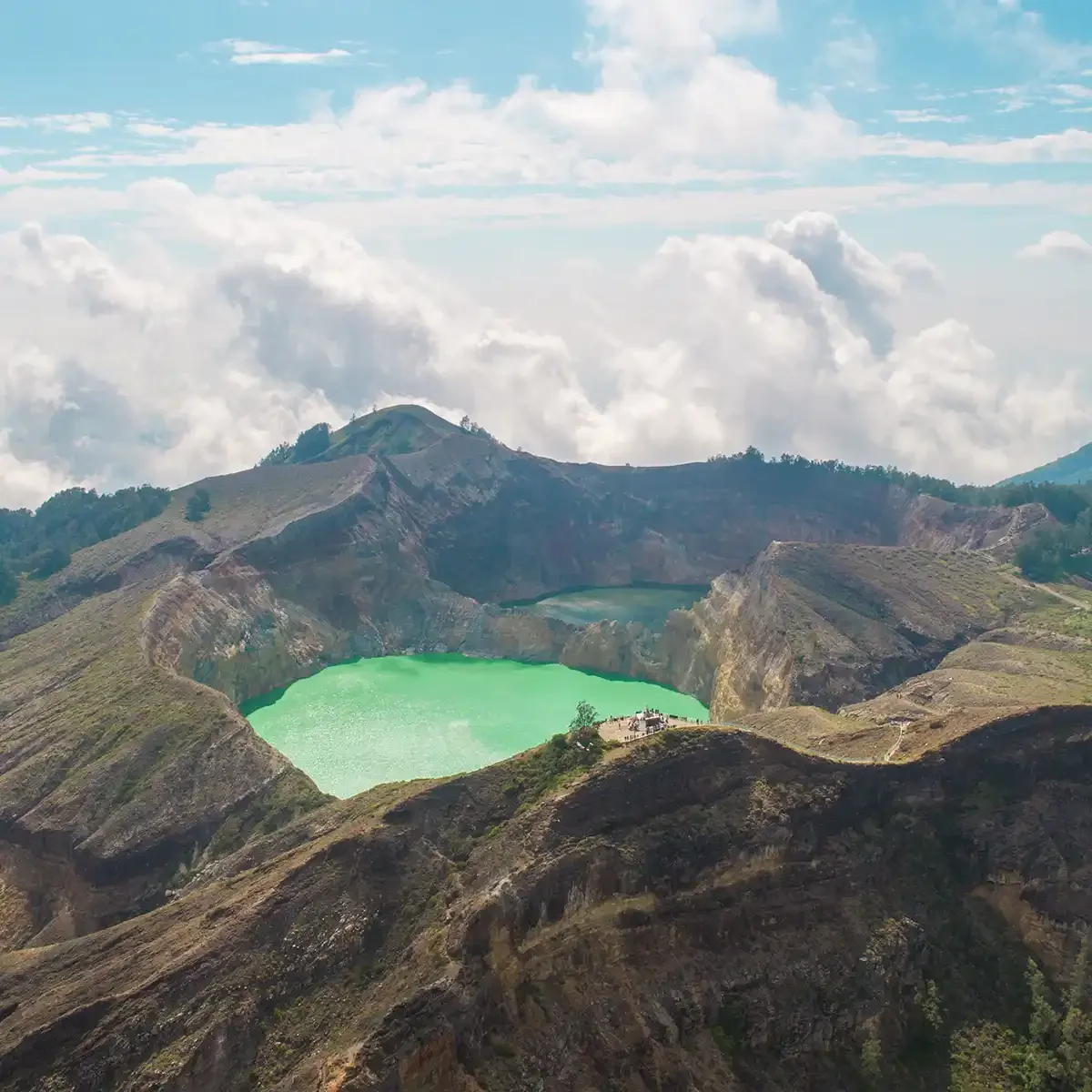
Discover the potential of North Bali’s real estate market with our 5-Day Itinerary focused on visiting the top resort hubs and transport infrastructure projects. This comprehensive guide will provide you with valuable insights into the region’s hospitality and development landscape, helping you make informed investment decisions.
Day 1: Exploring North Bali’s Emerging Resort Hubs
Begin your journey in the serene setting of Lovina, a coastal area known for its tranquil beaches and emerging resort developments. Lovina is attracting attention from investors due to its potential for tourism growth. The area is home to several boutique hotels and villas, which are ideal for those looking to invest in hospitality projects. Observe how these establishments blend with the natural environment, offering a unique experience for visitors. In 2027, Lovina’s notable beaches remain a key attraction, with more eco-friendly resorts planned to open, enhancing the appeal for sustainable tourism.
Continue your exploration by visiting Pemuteran, a village gaining popularity among eco-conscious travelers. Pemuteran is renowned for its coral reef restoration projects, which enhance the local marine ecosystem and attract diving enthusiasts. The village’s commitment to sustainable tourism makes it an attractive location for eco-friendly resort developments. Take note of the investment opportunities in eco-tourism, which are expected to grow as more travelers seek sustainable travel experiences. With diving packages ranging from $100 to $300, the area offers significant potential for businesses catering to adventure tourists.
Day 2: Understanding the Transport Infrastructure
On the second day, focus on North Bali’s transport infrastructure projects, which are crucial for the region’s accessibility and growth. Start by examining the expansion plans for the Singaraja Airport. Although the airport is currently small, there are ambitious plans to upgrade its facilities to accommodate international flights. This development is expected to boost tourist arrivals, making the surrounding areas more appealing for investment. By 2027, the expansion is projected to include a new terminal and runway enhancements, potentially accommodating flights from Australia and Singapore, two major tourist markets.
Next, drive along the new Singaraja-Gilimanuk highway, which is set to improve connectivity between North Bali and other parts of the island. This infrastructure project is crucial for reducing travel time and enhancing the flow of goods and tourists. As a potential investor, assess the impact of improved transport links on property values and consider investing in areas that will benefit from increased accessibility. The highway cuts travel time to Denpasar to approximately two hours, encouraging more weekend visits from the southern parts of Bali.
Day 3: Evaluating Real Estate Investment Opportunities
Spend the third day evaluating specific real estate opportunities in North Bali. Visit areas with available land for sale and speak with local real estate agents to understand the current market dynamics. Investigate land prices, which can vary significantly depending on proximity to the coast or infrastructure projects. Although specific prices aren’t available, the general trend shows an upward trajectory in land values due to increasing demand. In 2027, coastal land near Lovina might range from $50,000 to $150,000 per hectare, reflecting rising interest from both domestic and international buyers.
Consider the potential for commercial developments, such as retail spaces or mixed-use properties, particularly in areas experiencing population growth. The anticipated increase in tourist arrivals due to enhanced infrastructure and resort developments creates a demand for supporting services, presenting lucrative investment opportunities in commercial real estate. With the Singaraja market being modernized, rental spaces for small businesses are becoming prime targets for smart investors.
Day 4: Engaging with Local Culture and Community
On the fourth day, engage yourself in the local culture to gain a deeper understanding of North Bali’s lifestyle and community. Visit Singaraja, the region’s largest city, and explore its rich history and cultural heritage. Engage with local residents and business owners to learn about their perspectives on development and its impact on the community. Singaraja’s cultural sites, including its colonial Dutch buildings and lively markets, make it a cultural hub that investors can leverage for cultural tourism projects.
Attending local events or cultural performances can provide valuable insights into the cultural aspects that attract tourists to North Bali. Understanding these elements can help you tailor your investment strategy to meet the expectations of culturally inclined visitors, thereby enhancing the attractiveness of your real estate projects. Annual festivals like the Buleleng Festival, celebrated in August, present excellent opportunities for cultural engagement and investment.
Day 5: Reviewing Risk Factors and Long-term Prospects
Conclude your itinerary by reviewing the risk factors associated with investing in North Bali and assessing the long-term prospects. Consider environmental factors, such as the potential impact of climate change and the “Super El Niño” phenomenon, which could affect the region’s agricultural output and infrastructure resilience. While these events can pose challenges, they also offer opportunities for innovation in sustainable development practices. The ‘Super El Niño’ might lead to drier seasons, urging a focus on water conservation technologies, which could be an investment opportunity.
Analyze economic indicators and government policies that influence investment in the region. Stay informed about any changes in regulations or incentives for foreign investors. Review your findings from the previous days and consult with legal and financial advisors to ensure a comprehensive understanding of the investment landscape before making any commitments. The Indonesian government’s push for decentralized tourism development is a positive signal for those considering investments outside the crowded southern regions.
Day 6: Exploring North Bali’s Natural Wonders
Dedicate the sixth day to exploring North Bali’s natural wonders, which significantly contribute to the region’s appeal. Visit the grand Banyumala Twin Waterfalls, a notable offering striking views and a peaceful retreat amidst nature. This site is not only a tourist attraction but also presents opportunities for eco-tourism ventures and guided nature tours. The entrance fee is modest, around $5, making it an accessible destination for a wide range of visitors.
Another natural highlight is the Munduk area, known for its dense forests and coffee plantations. Coffee tours are increasingly popular, with packages ranging from $20 to $50, allowing tourists a taste of local agriculture. Explore the potential to develop boutique lodges or cafes that capitalize on the scenic views and cool climate. Munduk’s elevation provides a respite from the tropical heat, attracting tourists interested in both relaxation and exploration.
Conclusion: Making an Informed Investment Decision
Throughout this 5-day itinerary, you have explored North Bali’s top resort hubs, evaluated transport infrastructure projects, and considered various real estate opportunities. By understanding the local culture, engaging with the community, and assessing risk factors, you are now equipped to make informed investment decisions in North Bali’s growing real estate market.
As you move forward with your investment plans, remember to continuously monitor market trends and adapt your strategy to align with the evolving landscape. North Bali presents a unique blend of cultural richness and development potential, making it an attractive destination for real estate investment.
FAQs
Q: What are the main attractions in North Bali for real estate investors? A: North Bali offers a mix of emerging resort hubs like Lovina and Pemuteran, enhanced transport infrastructure projects, and increasing tourist arrivals, making it an attractive destination for real estate investors.
Q: How does the “Super El Niño” phenomenon affect investments in North Bali? A: The “Super El Niño” can pose environmental challenges, such as affecting agricultural output, but it also offers opportunities for sustainable development innovations in response to climate change impacts.
Q: What factors should investors consider when evaluating real estate opportunities in North Bali? A: Investors should consider proximity to infrastructure projects, market demand trends, cultural attractions, environmental factors, and government regulations to make informed decisions.
For wider arrangements, our partner baliluxurytransport can coordinate end to end.
See also: North Bali vs. South Bali for Luxury Transport Investment: Which Region Offers Higher Yield in 2027? · Home.
Related stories
 Understanding Leasehold Structures in North Bali 2027Leasehold in North Bali is a contractual right to use land and any building on it…
 Step-by-Step Freehold Villa Purchase Process 2027Buying a freehold villa in North Bali follows a defined sequence: verify the certificate and the…
 Singaraja Commercial Property Demand Outlook 2027Singaraja is the only genuinely urban commercial market in North Bali, and demand there is driven…