
North Bali Agricultural Land for Sale for Investment
By seo · Updated September 2026 · 6 min
Guide — North Bali Agricultural Land for Sale for Investment
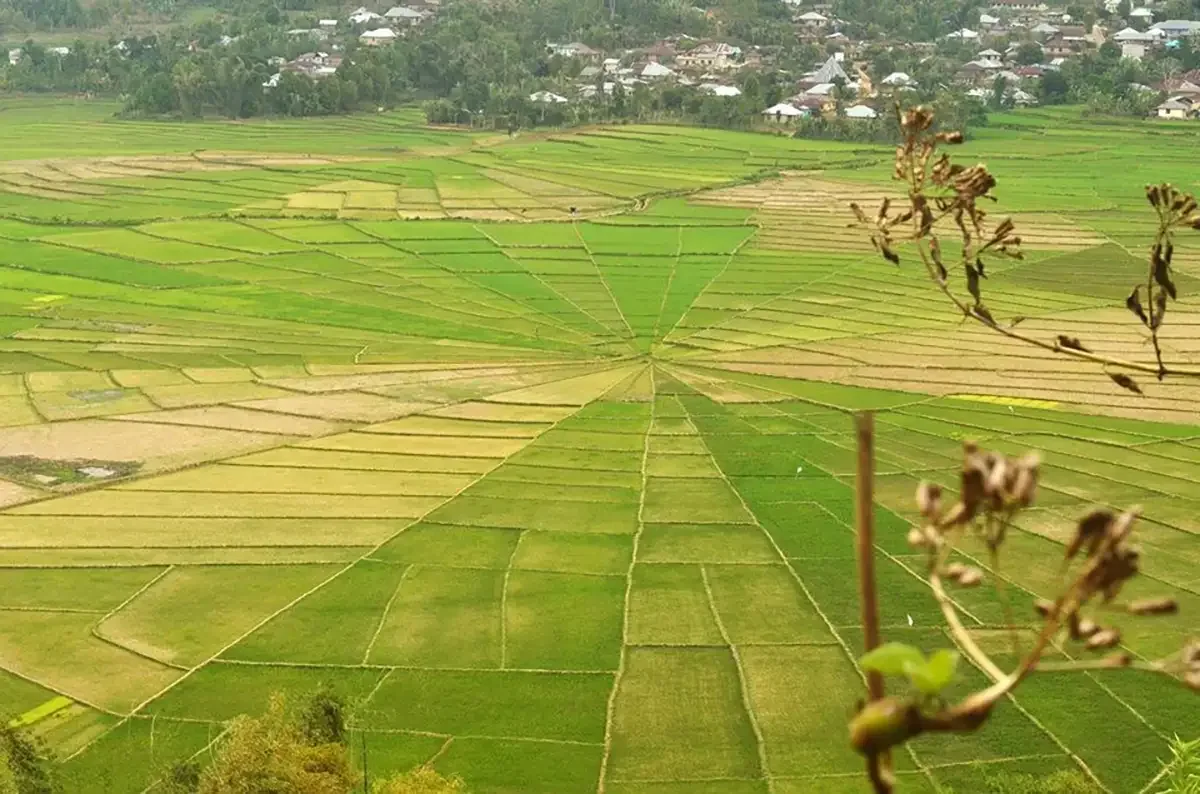
Agricultural land in North Bali is farmland and plantation acreage in Buleleng Regency, sold in larger parcels at a lower price per square metre than coastal land, and it is bought either to keep producing or to hold while the surrounding area develops. Invest North Bali treats this category as a patience asset: the returns depend on the parcel’s zoning designation and water, not on the assumption that farmland can simply be turned into villas.
What is grown in North Bali, and why does it matter to a buyer?
Buleleng is Bali’s principal grape-growing area, with vineyards concentrated in the drier lowlands around Seririt and the north-west coast, while the cooler highlands near Munduk support coffee, cloves, and mixed garden crops. Knowing what a parcel currently grows tells you three things immediately: the soil and rainfall it receives, whether irrigation infrastructure already exists, and whether the land sits inside a protected productive zone. A mature clove or coffee holding also comes with standing trees that have their own value and their own replacement timeline.
Buyers frequently compare farmland against coastal alternatives. If the goal is a tourism asset rather than a land holding, freehold beachfront land in North Bali is the more direct route, because it does not carry the conversion question that agricultural zoning creates.
Can agricultural land in Bali be converted for building?
Indonesian planning law protects designated productive farmland, and rice-field land in particular sits under rules intended to preserve food-producing areas, so conversion is a formal process rather than an automatic right. Some parcels can be converted; many cannot; and the local spatial plan decides which, not the seller’s optimism.
The consequence is that a price which looks cheap per square metre may reflect a parcel that will remain farmland indefinitely. That is not a bad purchase, but it is a different purchase. Make any offer conditional on written confirmation of the zoning designation from the planning office, obtained by your own adviser rather than the seller.
| Parcel factor | What it changes |
| Zoning designation in the spatial plan | Whether any non-agricultural use is even possible |
| Protected rice-field status | Whether conversion is administratively closed for that parcel |
| Irrigation membership and water rights | Whether the land keeps its water, and its obligations to neighbours |
| Certificate type and boundary accuracy | Whether the mapped area matches the fenced area |
| Existing crops and tree age | Immediate income, and replanting cost if the trees are old |
| Slope and erosion history | Usable proportion and long-term soil retention |
| Road frontage and access width | Resale liquidity and any future development potential |
How does the subak system affect a purchase?
Bali’s traditional irrigation cooperatives, known as subak, manage water distribution to rice fields collectively, and membership carries both entitlements to water and duties toward the group. A buyer of irrigated land inherits a position inside that system, so water is a social and customary matter, not only a physical connection. Meet the local subak and understand the parcel’s water schedule before purchase.
Customary village institutions also matter. Adat land, temple land, and communally used paths can sit adjacent to or across a parcel, and their status is not always visible on a certificate. Walk the boundary with the seller, a surveyor, and where relevant a village representative, and record what you are told.
What are the realistic ways to make agricultural land pay?
Farmland generates income only if someone farms it, and absentee owners in Bali commonly enter a profit-sharing arrangement with a local operator rather than managing the crop themselves. Investors typically pursue one of several routes, each with a different workload and risk profile.
- Continuing the existing crop under a share arrangement with a local farmer
- Replanting to a higher-value crop, accepting the years before it yields
- Holding the parcel as a long-term land position while the district develops
- Agritourism or a small farm-stay concept, where zoning permits accommodation
- Splitting a large parcel so that part remains productive and part is developed, subject to approvals
- Leasing the land to an operator for a fixed annual payment
Where the intention is a low-density tourism concept on rural land, the constraints resemble those we describe under eco resort investment in Pemuteran, where environmental sensitivity and permitted use drive the design as much as the budget.
What should you verify before signing?
Boundary disputes are a common source of litigation over rural land in Indonesia, because inherited parcels are often subdivided informally among family members before any certificate is updated. A physical survey against the certificate map, conducted before payment, is not optional on farmland. Verification should also cover who has authority to sell: agricultural parcels are frequently held by several heirs, and a valid transaction may require every one of them to consent before a notary. Keep any deposit conditional on the full set of consents being produced.
This page is general information, not legal, tax, or investment advice, and makes no projection of yields, crop income, or land appreciation. Agricultural zoning, conversion procedures, foreign ownership rules, and taxes change and are administered locally. Confirm the position with the local land and planning offices, a licensed notary or PPAT, and your own advisers before committing funds.
How Invest North Bali presents farmland
Each parcel is described with its certificate type, measured area, current crop, water situation, and zoning designation as recorded, with any conversion question stated openly rather than implied. Where a parcel is unlikely to be convertible, we say so. Buyers are introduced to independent notaries and surveyors, and site visits let boundaries be walked in person. For the wider procedure, see the guide to buying land in North Bali.
Frequently asked questions
Can foreigners own agricultural land in Bali?
Freehold title in Indonesia is reserved for Indonesian citizens, and agricultural land carries additional restrictions beyond those that apply to residential or commercial parcels. Foreign investors normally access rural land through leases or through an Indonesian legal entity, and the permitted activity depends on the business licence held. Because the rules here are stricter than for other land classes, confirm the current position with a licensed notary before making any commitment.
Is farmland a cheaper way to enter the North Bali market?
Farmland is generally cheaper per square metre than coastal or residential land, which is why it attracts buyers seeking scale. The trade-off is liquidity and optionality: rural parcels take longer to resell, and zoning may permanently limit what can be built. Treat the low entry price as compensation for those constraints rather than as a discount on an equivalent asset, and size the position accordingly.
What happens to existing farmers on the land?
Land in North Bali is often worked by tenant farmers or family members under long-standing informal arrangements that are not recorded on the certificate. Those arrangements do not disappear at settlement and should be identified, documented, and resolved before purchase, in writing and with the parties present. Ignoring occupancy is one of the fastest routes to a dispute after handover.
How large are typical agricultural parcels in Buleleng?
Parcel sizes vary widely, from small family plots of a few thousand square metres to plantation holdings measured in hectares, and larger parcels are often assembled from several certificates. Where a sale combines multiple certificates, each one needs separate verification and each holder must consent. Ask for the certificate schedule early, because an assembled parcel takes materially longer to complete than a single-title one.
Request the current farmland list
Tell us the parcel size you are looking for, whether you want a producing holding or a long-term land position, and how you intend to hold it. Message us on WhatsApp at +62 811 2859 0000 or email [email protected], and we will send parcels with their zoning designation, water situation, and certificate position stated plainly.
You may also like
 North Bali Co-Working and Community Villa ConceptsA co-working villa in North Bali is a residential property designed so that long-stay guests can…
 Digital Nomad and Remote Work Villas in North BaliDigital nomad villas in North Bali are homes in Buleleng Regency specified for people who work…
 About UsWelcome to InvestNorth Bali, your trusted partner in dynamic landscape of real estate and investment opportunities…