

Uncategorized
Building a Co-Working Villa Community in North Bali
· August 6, 2026 · 9 min
Story — Uncategorized
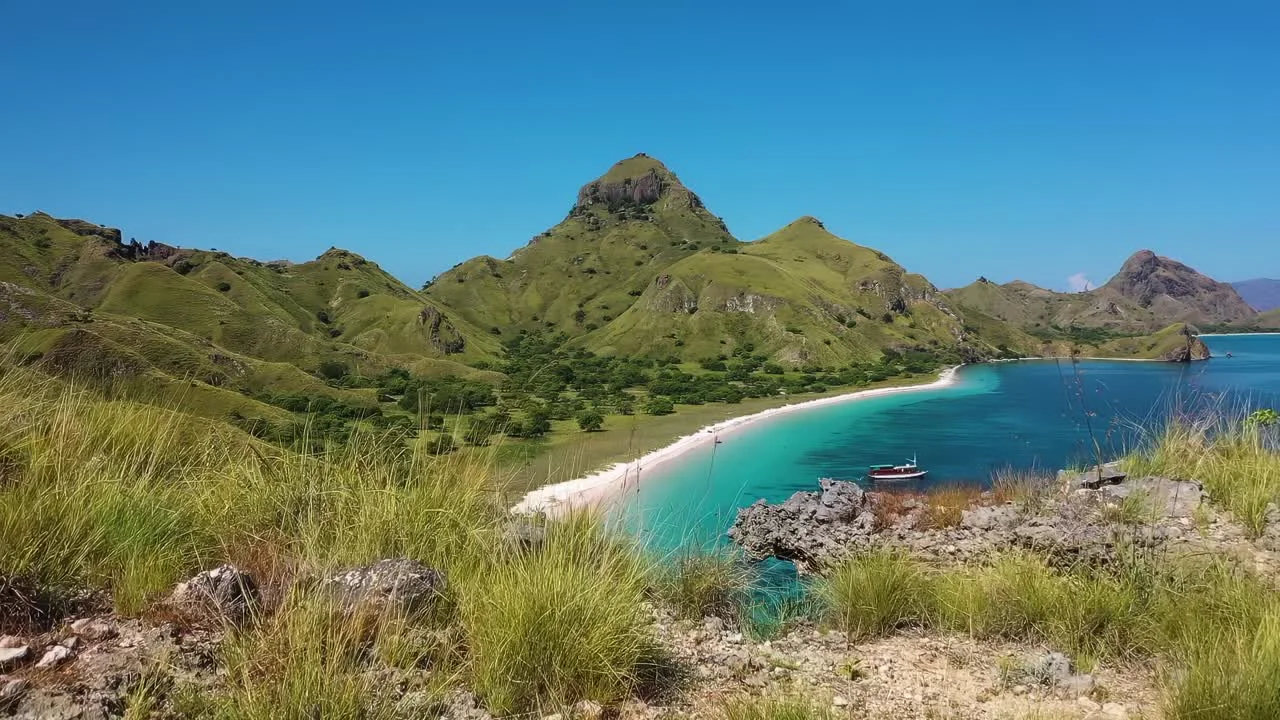
A co-working villa community in North Bali is a property designed around monthly-stay remote workers rather than short-stay tourists, which means it is judged on power reliability, internet redundancy, desk ergonomics and social programming long before it is judged on the view.
The north coast is credible for this model because it offers quiet, lower entry costs and a calm coastline, while the saturated hubs in the south have pushed prices and noise to levels many long-stay workers now avoid. The trade is that infrastructure and community must be built deliberately. This guide sets out how the model works and where these projects go wrong.
What is a co-working villa community, in practice?
Bali sits in the Central Indonesian time zone at UTC plus eight, which overlaps cleanly with Asia-Pacific working hours and awkwardly with European and North American ones, and that fact shapes both who books a remote-work property and how the shared spaces get used across the day. A co-working villa community is not a villa with a desk in the corner. It is a property where the shared working environment is the product and the accommodation supports it.
Typical components include private rooms for sleeping, a serious shared workspace with proper desks and acoustic separation, at least one enclosed call space, a communal kitchen, and a programme of shared activity that gives residents a reason to interact. Guests book by the month, not the night.
Why choose North Bali over the south?
North Bali’s coast faces the calm Bali Sea rather than the Indian Ocean swell of the south, and the region’s tourism has developed around diving, wellness and slow travel instead of surf and nightlife. For a remote-work property, that is close to an ideal backdrop: quiet enough to work, interesting enough to stay.
The commercial arguments stack similarly. Land and build costs on the north coast sit below comparable south-coast locations, so the same capital buys more usable area, which matters when a large share of the floor plan is shared space that does not directly generate a nightly rate. Competition is also thinner, which means a well-executed property can define the category locally rather than fighting for attention among dozens of similar offerings. Investors comparing formats often review co-working villa north bali concepts alongside single-occupancy stock such as digital nomad villas north bali.
What infrastructure is genuinely non-negotiable?
Grid interruptions do occur in rural parts of Buleleng, and for a guest on a client call an outage is not an inconvenience but a failure of the product they paid for. Infrastructure is therefore the first line of the business plan, not a later refinement.
| System | Minimum standard for a working property |
|---|---|
| Power | Automatic backup generation or battery sized to carry the workspace and connectivity, not just the lights |
| Internet | Two independent connections with automatic failover, tested under simultaneous load |
| Workspace | Adjustable-height desks, task chairs, task lighting and acoustic separation between zones |
| Call spaces | Enclosed, treated rooms that can be booked, so calls do not colonise shared areas |
| Water | Storage plus filtration, since supply reliability varies by village |
| Cooling | Effective cooling in the workspace, which drives usable hours during the middle of the day |
Skimping on any of these produces the same outcome: residents work from cafes, community never forms, and renewals stop.
How does the revenue model differ from a nightly rental?
Monthly rates are lower per night than short-stay rates but come with a fraction of the turnover cost, since a single arrival replaces many cleaning cycles, check-ins and channel commissions. That trade defines the model. The property earns less per night and keeps far more of it, while occupancy becomes steadier and more predictable across the rainy and dry seasons.
Two revenue considerations matter beyond rooms. First, whether the workspace is sold to non-resident members nearby, which adds income and local people to the community. Second, whether the property can host retreats during lower-demand periods, since a workspace and communal kitchen already provide most of what a small retreat needs.
How do you actually build community rather than claim it?
Longer stays mean guests overlap for weeks rather than hours, which is the raw material for community, but overlap alone produces nothing without structure. Communities form around repeatable rituals, and successful properties tend to run a small number consistently rather than a long list occasionally.
- A fixed weekly shared dinner that residents can count on.
- An onboarding introduction so new arrivals meet everyone in their first days rather than their second week.
- One regular outdoor activity that uses the location, whether snorkelling, walking or an early swim.
- An optional work session or skill exchange, which gives professional value alongside social value.
- A community manager whose actual job is people, not housekeeping supervision.
The last point is where most projects underinvest. Community is a staffed function. Without someone responsible for it, a co-working villa is simply a monthly rental with a shared table.
What legal and practical realities apply?
Commercial accommodation and shared workspace operate under licensing and permitted-use rules tied to the specific plot, which means a residentially permitted villa is not automatically a lawful commercial co-working property. Confirm permitted use for the actual parcel before designing around a commercial model.
Immigration status is equally important for your guests. Indonesia has visa categories relevant to long stays, and the conditions and permitted activities change over time. Do not advise guests on their status or market a particular visa outcome. Point them to official immigration sources and qualified advisers, and keep your own property compliant.
Why do these projects fail?
Buleleng is the largest regency in Bali by land area, and much of its coast is genuinely rural, so a property that is isolated from cafes, clinics, groceries and transport asks residents to depend entirely on it. That dependence is the most common failure pattern.
The others are predictable: connectivity that works for one guest but collapses under twelve, workspaces designed to look good in photographs rather than to be sat in for eight hours, no community staffing, and pricing that assumes short-stay rates on monthly bookings. Each is fixable at design stage and expensive to fix afterwards.
Frequently asked questions
Is there enough remote-work demand in North Bali?
Demand on the north coast is smaller and quieter than in the southern hubs, which cuts both ways. A property here will not fill on walk-by visibility or an existing scene, so it needs deliberate marketing and a clear reason to choose the north. In exchange, competition is thin, costs are lower, and a well-run property can define the category locally rather than compete among many similar offerings.
What internet setup does a co-working villa need?
Two independent connections with automatic failover, tested under realistic simultaneous load rather than by a single speed test. Coverage and available technologies vary considerably by village on the north coast, so verify what is genuinely available at the specific address before committing. Pair connectivity with backup power, because an internet connection without power during an outage delivers nothing to residents.
Do guests need a specific visa to work remotely from Bali?
Indonesia operates several visa categories relevant to visitors and longer stays, and the conditions attached to each, including what activities are permitted, change over time. This is a matter for official immigration sources and qualified advisers rather than for a property operator. Avoid marketing that implies a particular immigration outcome, and direct prospective residents to verify their own status independently.
Can an existing villa be converted into a co-working property?
Sometimes, though conversions are limited by three factors: whether the permitted use of the parcel allows commercial operation, whether the electrical capacity and connectivity can be upgraded at the address, and whether the layout can provide acoustically separated working and calling space. Villas built purely for short-stay leisure often lack all three, which makes conversion costs higher than they first appear.
Speak to Invest North Bali
If you are assessing a site or an existing property for a co-working villa concept on the north coast, our team can review permitted use, infrastructure availability and layout feasibility against the operating model you have in mind.
WhatsApp https://wa.me/6281128590000 or email [email protected].
This article is general information, not legal, immigration, tax or investment advice. Licensing, permitted use and immigration rules change and vary by case. Verify current requirements with the relevant official agencies and qualified advisers.
Related stories
 Understanding Leasehold Structures in North Bali 2027Leasehold in North Bali is a contractual right to use land and any building on it…
 Step-by-Step Freehold Villa Purchase Process 2027Buying a freehold villa in North Bali follows a defined sequence: verify the certificate and the…
 Singaraja Commercial Property Demand Outlook 2027Singaraja is the only genuinely urban commercial market in North Bali, and demand there is driven…