
Uncategorized
5-Day North Bali Real Estate Itinerary: Visiting Top Resort Hubs and Transport Infrastructure P
· June 30, 2026 · 8 min
Story — Uncategorized
If you’re considering investing in North Bali real estate, this 5-day itinerary provides a comprehensive guide to the top resort hubs and transport infrastructure projects in the region. Understand the key areas for potential investment and the logistics involved, all while experiencing the unique charm of North Bali.
Day 1: Arrival and Exploring Singaraja
Start your journey in Singaraja, the largest town in North Bali. Known for its colonial architecture and lively local culture, Singaraja offers an intriguing mix of history and modernity. As you explore the city, notice the influence of Dutch architecture and a variety of cultural landmarks. The Gedong Kirtya library is a must-visit, housing a collection of ancient lontar manuscripts, offering insights into the region’s rich heritage.
For those considering real estate investments, Singaraja presents several opportunities due to its ongoing infrastructural developments. The North Bali Airport Project, although still in planning stages, is set to increase accessibility to the region, potentially boosting property values. Currently, properties in Singaraja are relatively affordable compared to the more tourist-heavy southern regions of Bali, making it a strategic choice for early investment. The town’s strategic location, coupled with a diverse cultural heritage, makes it an attractive spot for both cultural tourism and residential investments.
Moreover, Singaraja is set against a backdrop of mountainous terrain, which not only adds to its aesthetic appeal but also makes it a unique place for developing eco-friendly resorts or villas. The cost of land here is considerably lower, with prices averaging around $50,000 per hectare, making it an attractive proposition for investors looking at long-term growth potential.
Day 2: Pemuteran and Its Marine Attractions
On Day 2, head to Pemuteran, a coastal village renowned for its marine biodiversity and conservation efforts. This area is particularly famous for its coral restoration projects, which have become significant attractions for eco-conscious tourists. Pemuteran’s calm beaches and clear waters make it ideal for snorkeling and diving, providing a steady flow of visitors to local resorts.
The real estate market in Pemuteran is burgeoning, driven by its sustainable tourism initiatives. Investing in eco-friendly resorts or accommodations here could be highly lucrative. As the northern coast gains more recognition for its natural beauty and conservation efforts, property values are expected to climb, presenting a promising opportunity for investors. The thriving tourism industry sees room rates in high-end resorts averaging around $150 per night, indicating strong rental yields.
Pemuteran is also home to the largest artificial reef project in the world, the Bio-Rock Project, which has not only bolstered marine life but also increased the area’s global recognition. This commitment to environmental sustainability makes it a prime location for investors interested in eco-tourism development. Additionally, land here is relatively affordable, with potential for significant appreciation as global awareness of its offerings grows.
Day 3: Lovina Beach and Dolphin Watching
Lovina Beach, known for its calm seas and black sand beaches, is your destination for Day 3. This area is particularly famous for its early morning dolphin tours, a unique attraction that draws tourists from around the world. The tranquil nature of Lovina Beach, combined with its affordability, makes it a popular spot for both tourists and expatriates looking for a quieter Bali experience.
Real estate opportunities in Lovina are diverse, ranging from beachfront villas to budget-friendly guesthouses. The presence of a stable expatriate community indicates a demand for both rental and owned properties. As infrastructure in North Bali continues to develop, Lovina is likely to see an increase in both tourist and investor interest. Beachfront properties here average around $100,000, a competitive price considering the serene environment and the growing interest in sustainable tourism.
The local economy benefits from steady tourist inflow due to the dolphin sightings, with tour operators charging $20 per person for boat trips. This consistent tourist activity ensures a lively local economy, supporting various investment opportunities in hospitality and retail sectors.
Day 4: Munduk and Its Scenic Waterfalls
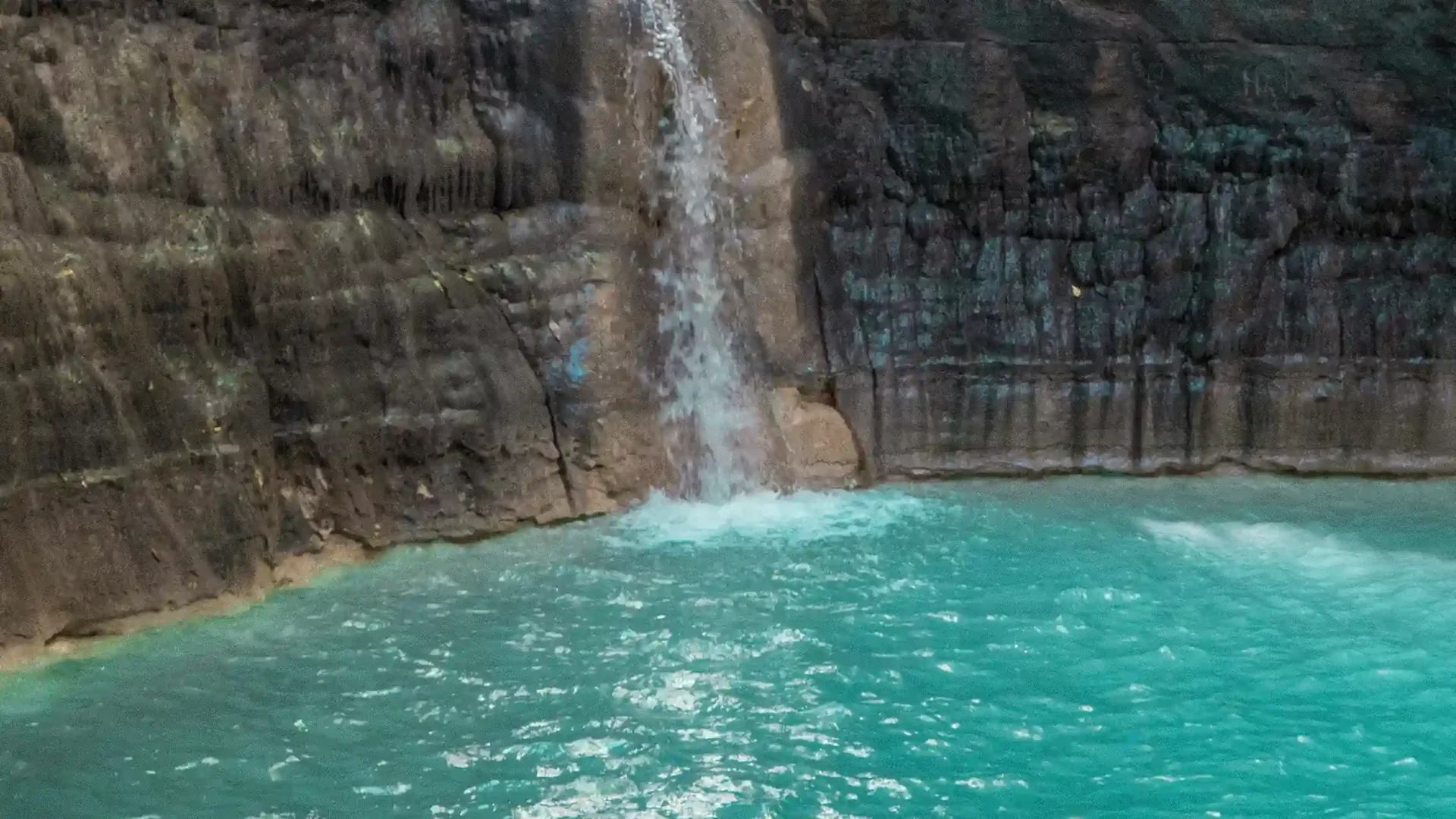
Travel to the highland village of Munduk on Day 4, famous for its striking waterfalls and cooler climate. Munduk offers a completely different atmosphere compared to the coastal areas, with lush greenery and panoramic views of the surrounding mountains. Key attractions include the Munduk and Banyumala waterfalls, both accessible via short trekking paths through the jungle.
Munduk presents unique real estate opportunities due to its elevation and natural beauty. The cooler climate is a significant draw for tourists, particularly during Bali’s hotter months. Investing in eco-lodges or retreat centers here could attract eco-tourism and wellness-focused travelers, providing a niche market for property investors. The local agricultural sector, focusing on coffee and spices, adds another layer of investment opportunity, with agritourism becoming increasingly popular.
Investment in Munduk not only offers the potential for high returns due to increasing tourist inflow but also provides an opportunity to contribute to sustainable practices. Given its cooler climate, Munduk is especially appealing during the dry season from April to October, when visitors flock to enjoy the refreshing escape from Bali’s heat.
Day 5: Exploring Transport Infrastructure Developments
On the final day, focus on understanding the transport infrastructure developments in North Bali. The planned North Bali Airport is a major project that promises to transform the region’s accessibility. While the project has faced delays, its completion is expected to significantly boost tourism and real estate demand in northern Bali.
Investors should consider the potential impact of improved transport links on property values. Areas close to the proposed airport site are likely to become more attractive to both tourists and investors. Additionally, the development of better road networks will enhance travel within the region, making previously remote areas more accessible and viable for investment. With the projected airport completion in 2027, there is a window for early investment that could lead to substantial appreciation as the project progresses.
The presence of a new airport will likely reduce travel time from southern Bali to the north, currently a 3-hour drive from Denpasar, to under an hour. This enhanced accessibility is anticipated to unlock new areas for development and significantly increase the region’s attractiveness for tourism and residential projects.
Benefits of Investing in North Bali Real Estate
Investing in North Bali real estate offers several advantages. The region is less commercialized than the south, providing a more authentic Balinese experience. This appeals to a growing number of tourists seeking tranquility away from the busy south. Additionally, property prices in North Bali are currently lower, offering higher potential for appreciation as the region develops.
Moreover, North Bali’s focus on sustainable tourism and conservation efforts aligns with global tourism trends, potentially increasing its appeal and property value over time. With upcoming infrastructure projects, including the proposed airport, the region is poised for significant growth, making it an opportune time for investment.
North Bali’s positioning as a hub for eco-friendly and sustainable tourism not only ensures compliance with global environmental standards but also appeals to the eco-conscious traveler. This, coupled with the planned infrastructure developments, posits North Bali as a future hotspot for real estate investment, with potential for both high financial returns and positive community impact.
Local Culture and Community Engagement
Engaging with the local culture and community is vital for any investment in North Bali. The area is rich with traditional Balinese customs, and understanding these can provide a deeper connection to the region. Regular cultural events and festivals, such as the North Bali Festival, showcase local arts, crafts, and food, offering investors insights into potential opportunities in cultural tourism.
Property investors can find value in supporting community initiatives, which not only ensures goodwill but can also lead to successful partnerships with local businesses. Involvement in cultural preservation and local community projects can enhance the sustainability of investments and align them with the region’s values.
Additionally, the North Bali region prides itself on a strong community spirit and local governance, which encourages responsible tourism and investment practices. This sense of community could be beneficial for investors looking to establish long-term projects that contribute to the area’s socioeconomic development, ensuring a positive impact for both the investor and the local populace.
FAQs
Q? What is the best time to visit North Bali for potential investment?
A: The dry season, from April to October, is the best time to visit North Bali. During these months, the weather is more conducive to exploring properties and infrastructure projects.
Q? How does the upcoming North Bali Airport impact real estate investment?
A: The North Bali Airport is expected to greatly enhance the region’s accessibility, potentially increasing tourist traffic and boosting property values in surrounding areas.
Q? What types of properties are popular for investment in North Bali?
A: Popular investment properties include beachfront villas, eco-lodges, and guesthouses. The rising interest in sustainable tourism also opens opportunities for eco-friendly resorts and accommodations.
For wider arrangements, our partner baliluxurytransport can coordinate end to end.
See also: Cost of Buying Luxury Transport-Ready Land in North Bali: 2027 Price Per Square Meter Breakdown, North Bali vs. South Bali for Luxury Transport Investment: Which Region Offers Higher Yield in 2027? · Home.
Related stories
 Understanding Leasehold Structures in North Bali 2027Leasehold in North Bali is a contractual right to use land and any building on it…
 Step-by-Step Freehold Villa Purchase Process 2027Buying a freehold villa in North Bali follows a defined sequence: verify the certificate and the…
 Singaraja Commercial Property Demand Outlook 2027Singaraja is the only genuinely urban commercial market in North Bali, and demand there is driven…