

Bali Freehold Investment Property: A 2027 Perspective
By Investnorthbali Editorial Desk · Updated July 2026 · 4 min
Guide — Bali Freehold Investment Property: A 2027 Perspective
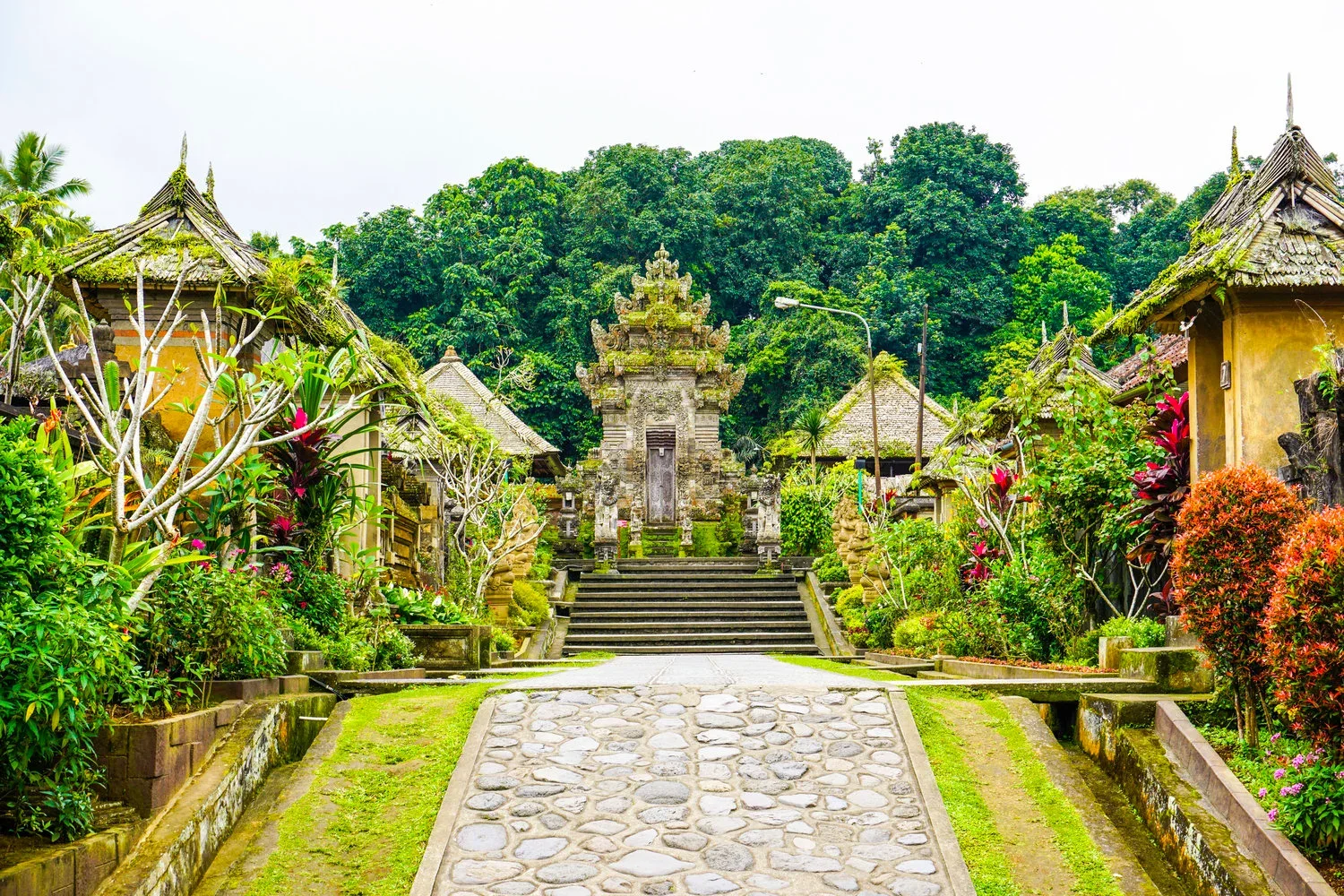
Investing in Bali freehold property offers long-term security and potential capital appreciation, particularly with the anticipated economic boost from the New North Bali International Airport’s 2027 launch.
Bali Freehold Investment Property
In recent years, Bali has emerged as a compelling destination for property investment, with the northern regions gaining particular attention. The anticipated launch of the New North Bali International Airport in 2027 is expected to significantly impact the real estate market. This infrastructure project is projected to enhance connectivity and stimulate economic growth, particularly in Lovina, Singaraja, and Buleleng. These areas are expected to see increased investment due to their focus on eco-tourism and less commercialized environments, attracting investors interested in sustainable development. According to local real estate analysts, property values in these areas could potentially increase by 30% to 50% over the next few years, driven by both domestic and international interest.
Differences Between Freehold and Leasehold Properties in Bali
Understanding the differences between freehold and leasehold properties is crucial for investors. Freehold properties offer absolute ownership of the land and any structures upon it, without time limitations, and are typically reserved for Indonesian citizens. On the other hand, leasehold properties provide the right to use the property over a specified period, usually between 25 and 30 years, with options to extend. While freehold property is more secure in terms of ownership rights, leasehold properties can be more accessible for foreigners. Foreign investors often navigate these restrictions through legal structures such as a Penanaman Modal Asing (PMA) company, which allows them to hold property indirectly.
Bali Leasehold Investment Property
Leasehold investments offer an attractive alternative for foreigners due to their flexibility and lower upfront costs. These properties can be particularly lucrative in regions anticipating significant growth, such as those influenced by the new airport. The cost of leasehold properties is generally lower than freehold, making them more accessible for a wider range of investors. Furthermore, leasehold properties in high-demand tourist areas, like those expected to benefit from increased airport traffic, can yield high rental returns. Investors often look for properties near planned infrastructure developments to maximise potential returns, with rental yields in popular areas reaching as high as 8% per annum.
North Bali Real Estate for Foreigners
Despite restrictions on freehold ownership, foreigners can participate in the Bali property market through leasehold agreements or by establishing a local PMA company. The predicted increase in property values by 2027, estimated at 30-50%, presents a promising opportunity for substantial returns. Foreign investors are particularly drawn to eco-friendly and tourist-oriented developments. These projects not only align with global sustainability trends but also cater to the growing demand for environmentally responsible tourism. Setting up a PMA company involves legal processes, including obtaining the necessary licenses and adhering to local regulations, which can be navigated with the assistance of a local legal advisor.
- Explore insights on buying land in North Bali.
- Understand investment opportunities in North Bali luxury villas.
2027 Note: Airport and Eco-Tourism Impact
The forthcoming New North Bali International Airport is set to be a pivotal development, enhancing the region’s accessibility and boosting eco-tourism. This airport is expected to handle millions of passengers annually, providing a significant boost to local tourism and related industries. Investors focusing on sustainability, such as eco-villas or sustainable agriculture, are likely to benefit from this shift. The global trend towards eco-tourism is expected to increase demand for properties that offer environmentally friendly features, such as solar energy, water recycling systems, and organic farming. These features not only appeal to eco-conscious travellers but also add value to the properties.
FAQ
What are the differences between freehold and leasehold properties in Bali?
Freehold properties allow perpetual ownership, primarily for Indonesian citizens, while leasehold properties offer temporary rights, typically for 25-30 years, suitable for foreign investors. This distinction is crucial for understanding the legal and financial implications of property investment in Bali.
How can foreigners invest in North Bali real estate?
Foreigners can invest through leasehold agreements or by establishing a local company, leveraging opportunities in rapidly developing areas like the airport zone. Setting up a company requires adherence to Indonesian laws, including business registration and compliance with local tax regulations.
What are the benefits of investing in eco-friendly properties in North Bali?
Eco-friendly properties align with the growing trend of sustainable tourism, offering long-term value growth and appeal to environmentally-conscious travellers and investors. These properties often command higher rental rates and enjoy lower vacancy rates due to their unique appeal.
You may also like
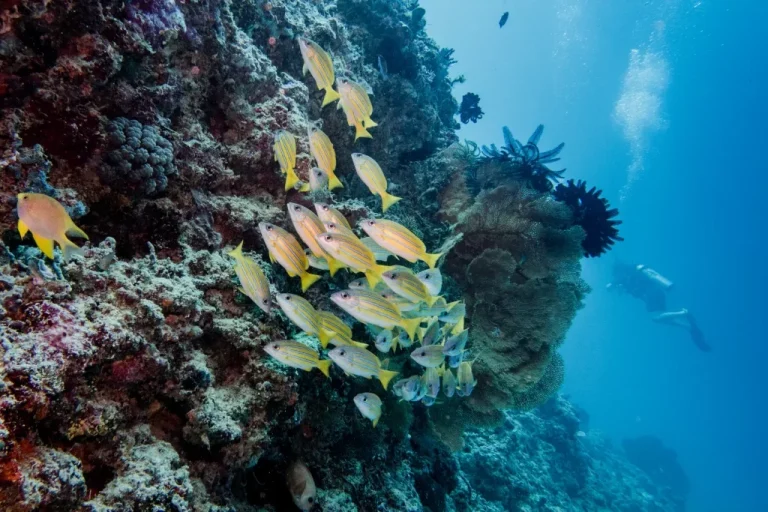 Amed Beachfront Villas and Dive Resorts for SaleAmed beachfront villas are coastal properties along a chain of fishing villages on Bali’s northeast shore…
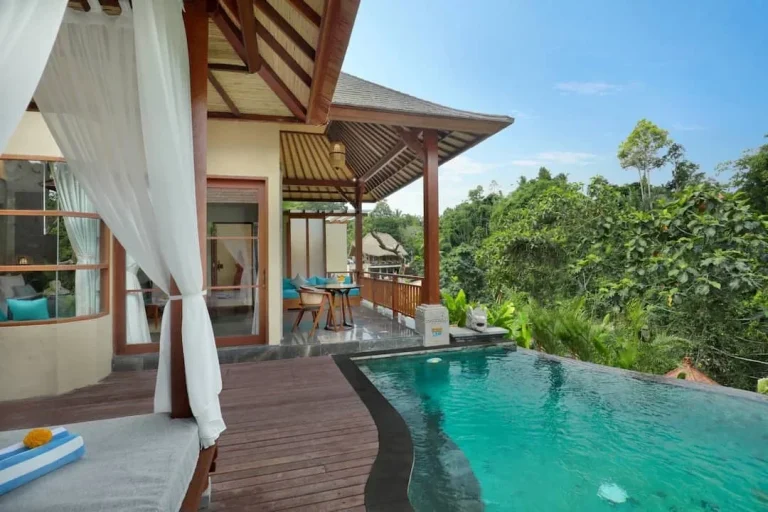 Investment Opportunities in North Bali Property 2027Invest North Bali property wisely to capitalise on the upcoming New North Bali International Airport, expected…
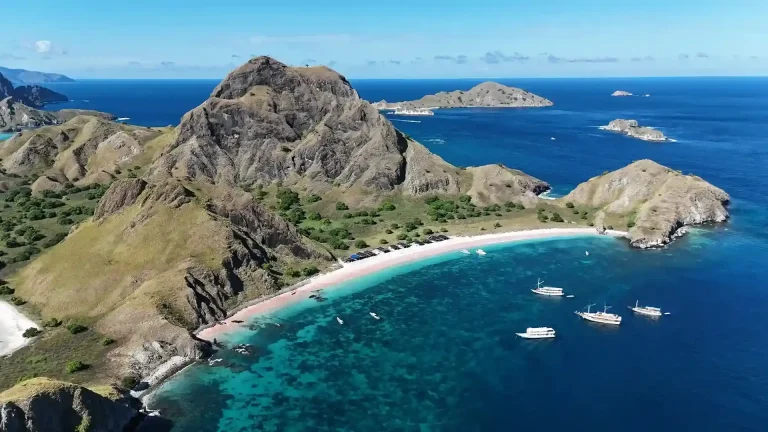 Freehold Beachfront Property North Bali for InvestorsFreehold beachfront property in north Bali means coastal land held under Hak Milik, the perpetual Indonesian…