
Category: Uncategorized

  • Best Time to Invest in North Bali Luxury Real Estate for 2027: Dry vs. Wet Season Guide


    Best Time to Invest in North Bali Luxury Real Estate for 2027: Dry vs. Wet Season Guide

    When planning to invest in North Bali luxury real estate for 2027, understanding the climate’s impact during the dry and wet seasons is crucial. The dry season generally offers more favorable conditions for property inspections and developments, while the wet season presents unique opportunities to secure advantageous deals.

    Understanding the North Bali Climate

    North Bali experiences a tropical climate with distinct dry and wet seasons. The dry season typically spans from April to September, characterized by low humidity and minimal rainfall. This period offers a stable environment for real estate activities, allowing for easier access to properties and construction sites. Properties in areas like Lovina and Singaraja benefit from this predictability, as roads remain accessible and construction processes are less likely to be delayed.

    In contrast, the wet season runs from October to March, bringing higher humidity and substantial rainfall. These conditions can sometimes hinder property viewings and development projects but may also lead to reduced competition among buyers, presenting potential investment opportunities. Coastal properties, especially in areas like Tejakula, may experience decreased buyer traffic, allowing investors to negotiate more favorable terms.

    Dry Season Advantages for Real Estate Investment

    The dry season in North Bali is an optimal time for investors to explore real estate opportunities. The absence of rain ensures that road conditions remain favorable, making it easier to travel between different locations and evaluate various properties. This period is ideal for site visits, allowing investors to thoroughly assess property conditions, views, and potential renovations without weather-related hindrances. A trip from Denpasar to Lovina, for example, is smooth and uninterrupted, providing a clear view of investment potentials.

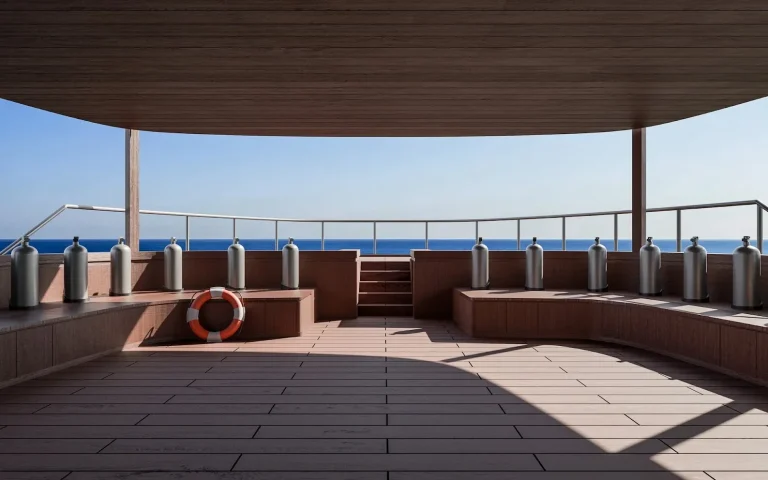
    Moreover, the dry season aligns with the peak tourist period in Bali, which can be advantageous for investors interested in properties that cater to visitors. High tourist numbers often translate to increased demand for rental properties, offering lucrative short-term rental yields. Areas such as Pemuteran, known for its diving spots, see a surge in tourists, enhancing the attractiveness of investing in holiday villas or rental accommodations.

    Wet Season Considerations for Real Estate Investment

    While the wet season poses challenges, it also offers unique opportunities for savvy investors. During this period, the reduced number of tourists can lead to less competitive pricing on luxury real estate. Sellers might be more willing to negotiate, particularly if they are looking to close deals before the year’s end. For instance, properties with lush gardens show their full potential during this season, offering a glimpse into the thriving tropical environment.

    The wet season also provides a realistic perspective on property resilience to weather conditions. Observing properties during heavy rainfall allows investors to identify potential drainage issues or water damage, which can be crucial for long-term investment planning and maintenance. Areas prone to flooding, such as low-lying coastal regions, can be assessed for their preparedness against adverse weather conditions.

    Impact of Environmental Factors on Investment Decisions

    Heading into 2027, environmental factors such as the anticipated “Super El Niño” could influence investment strategies in North Bali. This phenomenon may lead to drier conditions throughout Indonesia, affecting agricultural productivity but potentially offering a more stable climate for property development during traditionally wetter months. Investors should be aware of how these changes might affect key commodities and influence regional economic health.

    Investors should consider the broader implications of climate changes on the real estate market, including shifts in tourism patterns and infrastructure developments that may arise in response to these environmental challenges. For example, a drier climate may extend the tourist season, enhancing the appeal of short-term rental properties, especially in popular destinations like the northern coastline.

    Economic and Infrastructure Developments in North Bali

    As North Bali continues to grow, infrastructure developments are poised to enhance the region’s appeal to investors. Planned improvements in transportation networks, such as new roadways or airport expansions, can significantly impact property values and accessibility. The strategic development of the new North Bali International Airport is expected to streamline travel, reducing the travel time from major hubs and attracting more visitors to the region.

    Economic initiatives aimed at boosting local businesses and tourism will further support real estate investments. Investors should stay informed about government policies and development projects that may influence property prices and investment viability in the coming years. The implementation of eco-friendly resorts and sustainable tourism practices are also factors that could drive up property values in areas committed to preserving the natural beauty of Bali’s northern regions.

    Investment Strategies Amidst Global Economic Trends

    Investors looking to enter the North Bali real estate market should take global economic trends into account. The anticipated global recession heading into the late 2020s could influence investment opportunities, making North Bali a potentially attractive option due to its relatively lower entry costs compared to the more saturated markets in Southern Bali. Investors should monitor global interest rates and currency fluctuations, which can impact purchasing power and investment returns.

    Furthermore, as remote work becomes more prevalent, North Bali’s quieter and more serene environment could attract digital nomads and expatriates seeking long-term stays, driving demand for residential properties. The region’s commitment to infrastructure improvements and sustainable development aligns well with global trends towards sustainability and quality of life, making it a promising area for future investments.

    Tips for Successful Real Estate Investment in North Bali

    To maximize success in investing in North Bali’s luxury real estate market, investors should conduct thorough due diligence. This includes researching property histories, verifying legal documentation, and understanding zoning regulations. Partnering with local real estate experts can also provide invaluable insights into market trends and opportunities. Engaging with reputable agents familiar with specific regions like Buleleng can lead to more informed decision-making.

    Additionally, diversifying investments to include a mix of residential and commercial properties can mitigate risk and enhance potential returns. By carefully assessing seasonal impacts and market dynamics, investors can position themselves advantageously in the evolving North Bali real estate landscape. Investing in eco-friendly developments or properties that offer unique cultural experiences can also enhance appeal to the environmentally conscious market segment.

    FAQs

    Q? What is the best season for purchasing real estate in North Bali?

    A: The dry season, from April to September, is generally the best time to purchase real estate due to favorable weather conditions, making property inspections and construction projects more manageable.

    Q? How does the “Super El Niño” influence real estate investments in North Bali?

    A: The “Super El Niño” could lead to drier weather conditions, potentially benefiting real estate developments by reducing weather-related delays. However, it may also affect agricultural productivity, influencing economic factors related to the real estate market.

    Q? Are there economic developments in North Bali that could impact real estate investment?

    A: Yes, economic and infrastructure developments, such as enhanced transportation networks and tourism initiatives, are expected to positively impact real estate values and investment opportunities in North Bali.


    For wider arrangements, our partner baliluxurytransport can coordinate end to end.

    Back to home.