
Blog

  • North Bali vs. South Bali for Luxury Transport Investment: Which Region Offers Higher Yield in


    Investnorthbali – North Bali vs. South Bali for Luxury Transport Investment

    For luxury transport investment in 2027, South Bali offers more established opportunities due to its robust tourism infrastructure and accessibility. However, North Bali presents potential for higher yields owing to its emerging status and lower initial investment costs. This comparison requires a nuanced understanding of each region’s unique advantages and challenges.

    Economic Growth and Investment Opportunities

    South Bali has long been the heart of Bali’s tourism industry, with areas like Kuta, Seminyak, and Nusa Dua leading the charge. This region’s economy is driven by a well-established tourism infrastructure, attracting millions of visitors annually. In 2027, the region is expected to continue its growth trajectory, making it a reliable area for luxury transport investments. An established market means higher initial costs, but also a more predictable return on investment due to consistent tourist footfall. The average land price in South Bali has been steadily increasing, with some areas seeing prices as high as $500,000 per hectare.

    Conversely, North Bali remains less developed, offering a unique opportunity for investors willing to take on a higher risk for potentially greater rewards. The region is gaining attention for its serene environment and cultural attractions, though it lacks the extensive infrastructure of the south. This gives investors a chance to enter the market early with lower initial costs, and as tourism grows, so too might the yields from luxury transport investments. Land prices in North Bali can be as low as $30,000 per hectare, presenting a lucrative opportunity for early investors.

    Tourism Demographics and Trends

    The tourist demographic in South Bali is diverse, drawing visitors from around the world seeking luxury experiences, lively nightlife, and beach activities. This consistent influx supports a well-rounded transport industry, catering to high-end travelers willing to pay premium prices for comfort and convenience. In 2027, these trends are likely to continue, bolstered by South Bali’s reputation and extensive hotel and resort offerings. High-end resorts in South Bali, such as the Four Seasons Sayan, charge upwards of $600 per night, reflecting the area’s premium market.

    In contrast, North Bali attracts a different type of visitor, typically those interested in cultural tourism and natural landscapes. The slower pace and focus on local experiences appeal to those seeking a more authentic encounter with Balinese culture. This demographic shift can be leveraged for niche transport services, potentially leading to higher yields as the region’s popularity grows. However, investors need to consider the slower pace of tourism growth compared to the south. North Bali is home to beautiful sites like the Banyumala Twin Waterfalls, which appeal to eco-tourists and those seeking tranquility.

    Infrastructure and Accessibility

    South Bali’s infrastructure is highly developed, featuring Ngurah Rai International Airport as a major access point, with excellent road networks connecting to luxury hotels and resorts. This infrastructure supports smooth transport services, making it an attractive option for investors looking to tap into high-end transport services. The convenience offered by such infrastructure enhances the potential for high yields from transport investments. In peak seasons, flights from Sydney to Denpasar average around $800, highlighting easy global access.

    North Bali, however, faces challenges in terms of accessibility. The region lacks a direct airport, with the nearest major airport located in South Bali. Travel to North Bali requires additional arrangements, often involving several hours of travel by road. Despite this, the government has plans to improve infrastructure, including discussions around a potential new airport in the north. If realized, these developments could significantly enhance the region’s appeal for luxury transport investments by 2027. Current road travel from Denpasar to Pemuteran in North Bali takes approximately 4 hours, offering scenic routes through untouched landscapes.

    Environmental and Seasonal Considerations

    South Bali experiences a consistent tropical climate, with a well-defined dry season from April to October. This predictability makes it easier to plan luxury transport services around peak tourist seasons. The “Super El Niño” predicted for 2027 may bring drier conditions, but South Bali’s infrastructure is likely to mitigate major disruptions. The region’s palm oil plantations, essential to the local economy, might see reduced yields due to these climatic changes.

    North Bali’s climate is similar, though it can be slightly cooler and less humid due to its topography. The potential effects of the “Super El Niño” could be more pronounced in North Bali, affecting travel patterns and investment returns. Investors must consider these environmental factors when planning transport services, as they may influence tourist numbers and transportation needs. The northern coast is known for windier conditions, particularly favorable for water sports enthusiasts during the dry season.

    Competitive Landscape

    The competitive landscape in South Bali is intense, with numerous established luxury transport operators vying for market share. This saturation can drive innovation and service improvements, but also requires substantial investment to stand out. Investors must be prepared to offer exceptional service quality and unique offerings to capture a meaningful market share. Premium service packages, such as private yacht charters, can reach up to $3,000 per day, catering to affluent clientele.

    North Bali presents a less competitive environment, with fewer luxury transport operators. This lack of competition offers an advantage for new entrants to establish their brand and capture market share more easily. However, the slower pace of tourism growth means that investors need to be patient and strategic in building their business to ensure long-term success. Emerging dive operators provide personalized experiences at sites like Menjangan Island, a hotspot for marine biodiversity.

    Regulatory and Cultural Factors

    Investors in South Bali benefit from a clear regulatory framework tailored to support the tourism industry. The region’s long-standing role in Bali’s economy means that policies are well-established, providing a stable environment for investment. Familiarity with local customs and business practices is advantageous for operating successfully in this region. South Bali hosts numerous cultural festivals, such as the Bali Arts Festival, which draw international attention and provide opportunities for transportation services.

    North Bali’s regulatory environment is evolving as the region develops. While this can present challenges, it also offers opportunities for investors to influence policy and play a role in shaping a burgeoning market. Cultural sensitivity and engagement with local communities are crucial for success, as they can provide valuable insights and foster goodwill essential for sustainable operations. Partnership with local artisans and craftsmen, whose products are highly valued by tourists, can enhance business visibility and community relations.

    FAQs

    Q? What are the main advantages of investing in South Bali’s luxury transport sector?

    The main advantages include well-established infrastructure, a steady influx of tourists, and a diverse clientele seeking premium services. This results in a more predictable return on investment.

    Q? Are there unique challenges to investing in North Bali?

    Yes, challenges include less developed infrastructure and a slower growth rate in tourism. However, these factors also present opportunities for early market entry and potentially higher yields as the region develops.

    Q? How might environmental factors affect transport investment in North Bali?

    The predicted “Super El Niño” could impact travel patterns and tourist numbers, influencing transport service demand. Investors should plan for potential disruptions and adapt their strategies accordingly.


    For wider arrangements, our partner baliluxurytransport can coordinate end to end.

    Back to home.

  • What Are the Tax Implications for Foreigners Buying Land in North Bali? A 2027 FAQ for Investor


    Investnorthbali – Tax Implications for Foreigners Buying Land in North Bali

    Buying land in North Bali can be an exciting venture for international investors, but understanding the tax implications is crucial. Foreigners typically face restrictions and need to navigate regulations to ensure compliance. This guide provides a comprehensive overview of the tax landscape for foreign investors looking to purchase land in North Bali as of 2027.

    Understanding Land Ownership Regulations for Foreigners

    In Indonesia, land ownership by foreigners is governed by strict regulations. According to Indonesian law, foreigners are not allowed to directly own freehold land. Instead, they can acquire land through leasehold titles, known as “Hak Pakai,” or by establishing a foreign investment company (PT PMA) that may own land under certain conditions. Understanding these regulations is key to ensuring compliance and securing your real estate investment in North Bali.

    The leasehold title, “Hak Pakai,” allows foreigners to use the land for a specific period, typically 25 years, with the possibility of extensions. This title does not provide outright ownership but enables the holder to utilize the land for residential or business purposes. Alternatively, a PT PMA structure allows for more flexibility in terms of ownership and is often favored for larger investments or developments. Investors should consider the specific location advantages in North Bali, such as proximity to cultural sites or beaches, which can enhance the value and appeal of the investment.

    Tax Obligations When Purchasing Land

    When purchasing land in North Bali, foreign investors must be prepared to meet several tax obligations. The primary tax responsibility is the Land and Building Acquisition Duty (BPHTB), which is typically 5% of the property’s value. This tax is payable by the buyer upon the acquisition of the land and is calculated based on the transaction value or the value listed by the government, whichever is higher.

    In addition to BPHTB, investors should consider ongoing property taxes known as the Land and Building Tax (PBB). This annual tax is based on the land’s assessed value and varies depending on the land’s size, location, and use. Staying informed about these tax obligations ensures that investors maintain compliance with Indonesian law and avoid potential penalties. Some regions in North Bali may have different tax incentives, especially for eco-friendly projects, which could be advantageous for specific investment strategies.

    Capital Gains Tax Considerations

    Investors planning to sell their land in the future should be aware of the capital gains tax implications. In Indonesia, capital gains derived from the sale of property are subject to a Final Income Tax, which is currently set at 2.5% of the gross transaction value. It is important to plan for this tax when considering the potential return on investment from land sales.

    Additionally, foreign investors might also be subject to taxes in their home country on the capital gains realized from the sale. Consulting with a tax professional familiar with international tax laws can provide clarity and help optimize the tax strategy for such transactions. Understanding bilateral agreements between Indonesia and other countries can also offer tax relief opportunities that might impact the overall profitability of the investment.

    Mitigating Currency Risk and Tax Implications

    Currency fluctuations can significantly impact the financial outcomes of international real estate investments. The Indonesian Rupiah (IDR) may experience volatility against other major currencies, affecting the cost and returns of investment in North Bali. Investors should consider hedging strategies to mitigate currency risk and protect their investment against unfavorable exchange rate movements.

    Furthermore, it is important to understand how currency exchange affects tax reporting and obligations in both Indonesia and the investor’s home country. Engaging with financial advisors who can provide insights into managing currency risk and understanding cross-border tax implications can enhance investment success. Hedging options like forward contracts or currency swaps can be explored to stabilize expected returns, especially if the investment period coincides with economic events that could lead to currency volatility.

    Environmental and Agricultural Considerations

    With the anticipated Super El Niño conditions heading into 2027, investors must also consider the environmental and agricultural implications for land investments in North Bali. The expected hotter and drier weather could impact land development timelines and agricultural productivity, particularly for crops such as palm oil that are sensitive to climate changes.

    Understanding these environmental factors is crucial for investors planning agricultural or eco-friendly developments. Collaborating with local experts and agencies can provide valuable insights into sustainable practices and how to adapt to potential climate challenges in the region. Additionally, investors might explore alternative crops or aquaculture, which could be more resilient to changing weather patterns, as a means to diversify and safeguard their investment.

    Legal and Professional Guidance

    Securing the legal and professional guidance of local experts is crucial when investing in North Bali real estate. Engaging with reputable legal firms and real estate agents familiar with Indonesian real estate laws and taxation can ensure that all transactions are conducted legally and efficiently.

    Professional advice can help navigate complex regulatory landscapes, ensuring compliance and helping investors make informed decisions. It is advisable for investors to conduct thorough due diligence and seek guidance from professionals with a strong track record in the North Bali market. This includes understanding local zoning laws and any restrictions that might affect future development plans or property usage.

    Market Trends and Investment Opportunities

    North Bali, renowned for its tranquil beaches and cultural heritage, offers unique investment opportunities distinct from the more commercialized southern areas of the island. As infrastructure improvements continue, such as the planned expansion of the North Bali Airport, accessibility to this region is expected to improve, potentially boosting property values.

    Investors should keep an eye on developing trends like eco-tourism and wellness retreats, which are becoming increasingly popular among tourists seeking authentic and sustainable experiences. Understanding the market dynamics and aligning investment strategies with these emerging trends can lead to profitable outcomes. Furthermore, partnerships with local businesses or communities can enhance the appeal of investment projects and foster sustainable development in the region.

    FAQs

    Q? Can foreigners own land in North Bali?

    A. Foreigners cannot directly own land in Indonesia, including North Bali. However, they can acquire land through leasehold titles or a foreign investment company (PT PMA).

    Q? What taxes are involved when buying land in North Bali?

    A. Buyers must pay a Land and Building Acquisition Duty (BPHTB) of 5% on the property’s value and ongoing Land and Building Tax (PBB) based on the assessed value.

    Q? How does climate impact investments in North Bali?

    A. The upcoming Super El Niño may lead to hotter and drier conditions, affecting agricultural productivity and development timelines in North Bali.


    For wider arrangements, our partner baliluxurytransport can coordinate end to end.

    See also: Essential Packing Tips for North Bali Property Investors: Weather Gear and Document Checklists for 2027, Is North Bali Safe for Luxury Real Estate Investors in 2027? Crime Stats and Infrastructure Security Review · Home.

  • Is North Bali Safe for Luxury Real Estate Investors in 2027? Crime Stats and Infrastructure Sec


    Is North Bali Safe for Luxury Real Estate Investors in 2027? Crime Stats and Infrastructure Security Review

    North Bali is becoming an increasingly appealing option for luxury real estate investors in 2027, with crime rates remaining relatively low and infrastructure improvements enhancing security. This review explores the current landscape, including crime statistics, infrastructural developments, and environmental factors, to assist investors in making informed decisions.

    Current Crime Statistics in North Bali

    As of 2027, North Bali continues to maintain a reputation for safety compared to other parts of the island. The region has reported lower instances of violent crimes, with local authorities implementing robust measures to ensure the safety of both residents and tourists. Petty crimes, such as pickpocketing, do occur but are infrequent in tourist-heavy areas.

    The local police force has increased its presence in key areas across North Bali, including Lovina and Singaraja, fostering a sense of security for investors and tourists alike. The crime rates in these areas have been significantly lower than in the more southern parts of Bali, making North Bali an attractive option for those seeking secure investment opportunities in luxury real estate. The area benefits from dedicated security personnel who patrol popular tourist spots and residential neighborhoods, ensuring peace of mind for investors.

    Infrastructure Security Enhancements

    Infrastructure in North Bali has seen significant improvements over recent years, bolstering its appeal to real estate investors. The government has allocated resources toward upgrading roads and utilities, ensuring reliable access to essential services. These enhancements contribute to a stable investment environment by reducing logistical challenges and enhancing overall quality of life.

    Security infrastructure has also received attention, with investments in CCTV systems and community policing initiatives across the region. Areas such as Pemaron and Kalibukbuk have benefited from these enhancements, providing additional peace of mind for investors considering luxury properties in these locales. Additionally, the installation of modern street lighting and clear signage has further improved safety for both residents and visitors, making these improvements a cornerstone of North Bali’s appeal.

    Environmental Factors Impacting Investment

    While North Bali’s attractiveness is on the rise, environmental considerations remain crucial for potential investors. The region’s dry and wet seasons have traditionally influenced real estate activities, with the dry season being more favorable for construction projects. In 2027, the anticipated influence of a “Super El Niño” could bring hotter and drier conditions, affecting agriculture and potentially altering investment strategies.

    The impact of this climatic event may extend to water resources and agricultural productivity, necessitating careful planning for developments reliant on these factors. However, the impact on the luxury real estate market is expected to be minimal due to the focus on tourism and residential investments rather than agricultural ventures. Potential investors are advised to consider adaptive design and sustainable construction practices to mitigate any environmental risks while capitalizing on North Bali’s natural beauty.

    Tourism Development and Its Impact on Safety

    The growth of tourism in North Bali has contributed positively to the region’s safety profile. Increased tourist activity has led to improved infrastructure and heightened security measures, with local businesses prioritizing the safety of their guests. This has created a favorable atmosphere for luxury real estate investments, with tourists’ presence providing economic stability and enhancing safety.

    Attractions such as the Banyumala Twin Waterfalls and local dive spots continue to draw visitors, ensuring a steady flow of tourism revenue. This, in turn, supports local community initiatives and security enhancements, further solidifying North Bali’s position as a safe and attractive destination for investors. Cultural festivals, often held during the dry season, also contribute to the lively social fabric, encouraging more visitors and boosting the economy.

    Comparative Analysis with Southern Bali

    When compared to Southern Bali, North Bali offers a distinct profile for luxury real estate investors. While Southern Bali, including areas like Ubud and Canggu, is known for its busy activity and higher real estate prices, North Bali presents a more serene alternative with competitive pricing and lower crime rates. This makes it particularly appealing for investors seeking a quieter, yet secure environment.

    Investment opportunities in North Bali are often characterized by larger plots and more privacy, which are highly sought after in the luxury market. As infrastructure continues to improve, the region is poised to capture a more significant share of the real estate market, offering strong potential for capital appreciation and rental yield. Additionally, the proximity to natural wonders and cultural heritage sites enhances North Bali’s allure, setting it apart from the more commercialized southern regions.

    Future Prospects for Luxury Real Estate in North Bali

    Looking forward to 2027 and beyond, North Bali is positioned to become a prime destination for luxury real estate investments. Continued investments in infrastructure, coupled with the region’s natural beauty and cultural heritage, enhance its desirability. Moreover, the government’s commitment to sustainable tourism development bodes well for long-term stability in the real estate market.

    Potential investors should consider the region’s growth trajectory, taking into account the ongoing improvements in infrastructure and safety. With a balanced approach to development, North Bali promises to offer lucrative opportunities for those looking to invest in luxury properties while enjoying a tranquil and secure environment. The increasing global interest in eco-friendly and sustainable living options is likely to further boost North Bali’s appeal, making it a wise choice for forward-thinking investors.

    Transportation and Accessibility Developments

    Transportation and accessibility are key factors contributing to North Bali’s growing appeal. The region has benefitted from government initiatives aimed at improving connectivity with Southern Bali and other parts of the island. Plans for a new airport in the North, projected to be operational by 2027, are set to make the region more accessible to international travelers, significantly enhancing its investment potential.

    Road infrastructure improvements have also been prioritized, with the main routes to Lovina and Singaraja undergoing expansions to accommodate increased traffic. This has reduced travel time significantly, making it more convenient for tourists and investors alike. Furthermore, local transportation options, such as shuttle services and bike rentals, have been introduced to facilitate easier exploration of the region’s attractions, adding to its investment allure.

    FAQs

    Q? What is the current crime rate in North Bali? Crime rates in North Bali are relatively low, especially when compared to the southern parts of the island. The region has seen fewer instances of violent crime, making it a safer option for luxury real estate investments.

    Q? How has tourism affected safety in North Bali? Tourism has positively impacted safety in North Bali by driving infrastructure development and increasing security measures. The presence of tourists has led to economic growth, which supports local safety initiatives and makes the region more attractive to investors.

    Q? Is the infrastructure in North Bali suitable for luxury real estate investments? Yes, North Bali has seen significant infrastructure improvements, including upgraded roads and increased security measures. These developments enhance the region’s appeal to luxury real estate investors by providing a stable and secure environment.


    For wider arrangements, our partner baliluxurytransport can coordinate end to end.

    See also: 5-Day North Bali Real Estate Itinerary: Visiting Top Resort Hubs and Transport Infrastructure Projects, Essential Packing Tips for North Bali Property Investors: Weather Gear and Document Checklists for 2027 · Home.

  • Essential Packing Tips for North Bali Property Investors: Weather Gear and Document Checklists


    Essential Packing Tips for North Bali Property Investors: Weather Gear and Document Checklists for 2027

    Planning a property investment trip to North Bali in 2027 requires careful preparation. Investors should consider the unique weather conditions influenced by potential climate changes and the necessary documentation for smooth transactions. This guide provides essential packing tips focusing on weather gear and document checklists to ensure a successful investment journey.

    Understanding North Bali’s Climate in 2027

    North Bali’s climate is primarily tropical, with a dry season from April to October and a wet season from November to March. However, due to the forecasted “Super El Niño” in 2027, investors should anticipate hotter and drier conditions than usual. This climatic change may impact local agriculture and water availability, which can indirectly affect property investments and construction projects.

    Investors should pack light clothing made of breathable fabrics to cope with the elevated temperatures during their visits. A sturdy umbrella or a waterproof jacket is advisable, especially if traveling towards the end of the year when unexpected rain showers may occur despite the dry trend. Staying updated on weather forecasts will also be crucial for planning site visits and meetings.

    The specific months of June to August, typically the driest months, might experience reduced humidity levels, making them optimal for property exploration. However, with the Super El Niño’s unpredictable patterns, investors should be prepared for sudden changes in weather, especially affecting travel and site conditions.

    Essential Weather Gear for North Bali

    Given the potential for extreme weather conditions, packing the right gear is essential. Sunglasses with UV protection and a wide-brimmed hat can protect against increased solar exposure, which is likely to be more intense due to the reduced cloud cover associated with El Niño. High SPF sunscreen should also be a part of your daily routine to prevent sunburn, especially during property site visits.

    For those planning to explore rural areas or undeveloped land parcels, sturdy hiking boots are recommended to navigate uneven terrains. Lightweight raincoats or ponchos can be useful, especially if traveling in the transition months when showers are more probable. Always have a reusable water bottle to stay hydrated in the region’s heat.

    Investors might also consider packing handheld fans or portable cooling devices to manage the heat during site inspections. Given the rugged landscapes, a reliable GPS or offline map can assist in navigating the lesser-known paths in the more remote areas of North Bali.

    Document Checklist for Property Transactions

    When investing in North Bali property, having a comprehensive document checklist ensures smooth transactions. Essential documents include a valid passport with at least six months’ validity, a visa appropriate for business activities, and any necessary permits for land inspection or investment. It’s advisable to have several copies of these documents, both physical and digital, for convenience.

    Investors should also carry proof of financial capability, such as bank statements or investment portfolios, to facilitate negotiations and potential purchases. Legal documents, including contracts and letters of intent, should be reviewed by a legal expert familiar with Indonesian property law to avoid any discrepancies or misunderstandings.

    It’s also crucial to have a letter of authorization if a representative is handling transactions on your behalf. Digital backups on secure cloud platforms can ensure accessibility and security of documents even in the case of theft or loss during travel.

    Planning Your Itinerary: Travel Times and Local Transport

    Understanding travel logistics is crucial for any investment trip. While North Bali does not have its own airport, Denpasar International Airport serves as the main access point. The journey from the airport to North Bali can take approximately 3 to 4 hours by car, depending on traffic and weather conditions. It is advisable to rent a reliable vehicle or hire a local driver who is familiar with the area.

    Within North Bali, transportation options include local taxis and ride-hailing services, although availability might be limited in more remote areas. It’s practical to plan your itinerary with buffer times to accommodate potential delays, especially when traveling to remote regions for site inspections or meetings with local officials.

    Flight connections to Bali’s main airport are available from major cities around the world, often with layovers in Southeast Asian hubs. Upon arrival, securing transportation arrangements in advance, possibly through your accommodation or a trusted travel service, can streamline your itinerary and reduce waiting times.

    Networking and Cultural Considerations

    Building strong local connections is essential for successful property investments. North Bali has a unique cultural landscape, with a mix of traditional Balinese practices and influences from other parts of Indonesia. Investors should approach potential partners with respect for local traditions and customs, which can greatly enhance collaboration and negotiation outcomes.

    Attending local events and engaging with community leaders can provide valuable insights into regional dynamics and emerging opportunities. Being culturally sensitive and open to learning about the local lifestyle will also help in building trust and establishing long-term relationships in the community.

    Consider participating in traditional ceremonies or local festivals, which are excellent opportunities to engage with the community. Understanding local etiquette, such as appropriate attire and respectful communication, can aid in fostering good relations and potentially lead to exclusive investment opportunities.

    Safety and Health Precautions for Investors

    Investors should prioritize safety and health while traveling to North Bali, especially given the potential health impacts of the “Super El Niño”. This includes being aware of any health advisories, ensuring vaccinations are up to date, and packing a first-aid kit. Malaria prophylaxis is not commonly needed in Bali, but it’s wise to carry mosquito repellent to protect against insect bites.

    Given the likely increase in temperature, heat-related illnesses could become more prevalent, so staying well-hydrated and taking regular breaks during outdoor activities is essential. Travel insurance that covers medical emergencies and unexpected trip disruptions is highly recommended to safeguard against unforeseen circumstances.

    Additionally, investors should register with their home country’s embassy in Indonesia to receive updates on safety conditions. Familiarizing yourself with the local healthcare facilities and emergency contact numbers can provide peace of mind and quick access to assistance if needed.

    FAQs

    Q? What type of visa do I need for property investment in Bali?

    A business visa is typically required for property investment activities in Bali. It’s crucial to consult with an Indonesian legal expert or embassy to ensure you have the appropriate visa type based on your specific investment activities.

    Q? How can I ensure the validity of property documents in North Bali?

    Hiring a local legal consultant who specializes in Indonesian property law is recommended to verify the authenticity and legality of property documents. This can prevent potential legal issues and ensure compliance with local regulations.

    Q? Are there language barriers in North Bali that could affect my investment?

    While Bahasa Indonesia is the official language, many professionals and locals in the tourism and real estate sectors speak English. However, having a translator or interpreter can be beneficial during complex negotiations or when dealing with government officials to avoid misunderstandings.


    For wider arrangements, our partner baliluxurytransport can coordinate end to end.

    See also: North Bali vs. South Bali for Luxury Transport Investment: Which Region Offers Higher Yield in 2027?, 5-Day North Bali Real Estate Itinerary: Visiting Top Resort Hubs and Transport Infrastructure Projects · Home.

  • 5-Day North Bali Real Estate Itinerary: Visiting Top Resort Hubs and Transport Infrastructure P


    Explore North Bali’s real estate opportunities through a focused 5-day itinerary that takes you through key resort hubs and examines emerging transport infrastructure projects, offering insights into regional growth potential and investment prospects.

    Day 1: Arrival and Exploration of Lovina Beach

    Begin your North Bali exploration at Lovina Beach, renowned for its tranquil black sand beaches and calm sea. Lovina serves as a prominent resort hub in North Bali, attracting visitors and investors alike. Its strategic location offers a unique mix of leisure and investment potential, with real estate prices for beachfront properties averaging around USD 100,000 to USD 150,000 per hectare, depending on proximity to the beach. The area’s gradual development and potential for luxury resorts are key attractions for savvy investors aiming for high returns in the real estate market.

    While here, take a stroll through local markets and explore nearby dining options, which feature a mix of local Balinese and international cuisines. The area is known for its quiet charm and provides a stark contrast to the busy southern parts of Bali. Investors can benefit from the steady flow of tourists who prefer the peace and natural beauty of North Bali, enhancing the prospect of rental yields and property value appreciation. With its proximity to tourist attractions such as the Banjar Hot Springs and Brahmavihara-Arama Buddhist Monastery, Lovina is set to remain a cornerstone for regional tourism growth.

    Day 2: Infrastructure Developments in Singaraja

    Singaraja, the capital of Buleleng Regency, is a key area in North Bali undergoing significant infrastructure developments. The government’s focus on improving transport links, such as the planned North Bali Airport project, is integral to boosting the area’s accessibility and attractiveness to investors. Although the airport is still in the planning stages, projections suggest it could dramatically reduce travel times, setting a foundation for increased property values. This development is expected to coincide with improvements in road infrastructure, further integrating Singaraja into Bali’s broader economic framework.

    Real estate investors should monitor these developments closely as they signal future growth potential. The anticipated infrastructure improvements will likely lead to increased demand for both residential and commercial properties, making early investment an attractive proposition. The area’s historical significance, combined with educational institutions like the Ganesha University of Education, adds layers of investment potential by attracting students and academic professionals, creating a diverse property market.

    Day 3: Cultural and Natural Attractions of Munduk

    Munduk, a picturesque village in the highlands of North Bali, offers a distinct investment opportunity due to its growing reputation as an ecotourism hotspot. With average land prices ranging from USD 50,000 to USD 80,000 per hectare for properties with views of lush green landscapes and waterfalls, Munduk is becoming a focus for eco-friendly developments. Notable natural attractions, such as the Munduk Waterfall and Tamblingan Lake, draw tourists seeking outdoor adventures and cultural immersion.

    The village’s cooler climate and rich cultural heritage, featuring traditional Balinese dance and music, make it a favored destination for tourists seeking an authentic Balinese experience. For investors, the potential for developing eco-lodges and sustainable resorts is significant, particularly as more visitors seek environmentally conscious travel experiences. Additionally, Munduk’s agricultural products, including coffee and spices, present opportunities for investments in agritourism, further diversifying its economic potential.

    Day 4: Exploring Pemuteran and the Menjangan Marine Park

    Pemuteran, located on Bali’s northwest coast, is another emerging area for real estate investment, especially for those interested in marine tourism. Known for its excellent diving spots and proximity to the Menjangan Marine Park, Pemuteran attracts a niche market of diving enthusiasts and conservationists. Land prices near the coast vary, typically ranging from USD 70,000 to USD 120,000 per hectare. The area’s marine biodiversity, exemplified by lively coral reefs and a variety of marine life, is a major draw for eco-tourists and conservation projects.

    The area’s commitment to marine conservation and sustainable tourism is a key selling point for investors. The potential for developing eco-friendly accommodations and dive resorts is substantial, given the increasing global emphasis on sustainability in tourism. Investors can capitalize on this trend by focusing on properties that support and enhance the area’s environmental initiatives. The annual Buleleng Bali Dive Festival is a testament to the region’s dedication to promoting marine tourism and preserving its underwater treasures.

    Day 5: Future Prospects and Challenges

    As you conclude your North Bali itinerary, consider the long-term prospects and challenges facing real estate investment in the region. The anticipated “Super El Niño” in 2027 may impact agriculture in Indonesia, potentially affecting land use and investment strategies. However, North Bali’s focus on tourism and infrastructure projects mitigates some of these risks by diversifying the local economy. The rise of agritourism and sustainable farming practices could further buffer against agricultural downturns caused by climate variability.

    Investors should stay informed about regional weather patterns, policy changes, and infrastructure developments that can influence market dynamics. With careful planning and a focus on sustainable and strategic investments, North Bali offers promising opportunities for growth and returns, despite the environmental challenges that may arise. While climate change poses certain risks, it also encourages innovation in the construction of resilient infrastructures and eco-friendly developments, opening new avenues for astute investors.

    Day 6: The Role of Cultural Heritage in North Bali’s Development

    On the final day of your North Bali exploration, delve into the region’s rich cultural heritage and its role in shaping investment opportunities. North Bali is home to several cultural landmarks, such as the Pura Beji Temple in Sangsit and the historic colonial buildings in Singaraja, which offer unique prospects for cultural tourism developments. The preservation of these sites is crucial in maintaining Bali’s cultural identity while attracting culturally inclined tourists.

    Investors can explore opportunities in heritage tourism by developing properties that integrate traditional Balinese architecture and arts. These investments not only appeal to tourists but also contribute to the conservation of local traditions. Additionally, annual cultural events and festivals, such as the Bali Arts Festival, provide platforms for promoting local arts and crafts, further enhancing North Bali’s allure as a cultural destination.

    FAQs

    Q? How can I invest in North Bali’s real estate market? A: Investing in North Bali’s real estate market involves researching the area, understanding local regulations, and working with a reputable real estate agent. It’s important to consider the region’s growth prospects and infrastructure developments when making investment decisions. Conducting site visits and engaging local stakeholders can provide valuable insights into the market.

    Q? What are the projected returns on investment for properties in North Bali? A: While specific returns can vary based on location and property type, North Bali’s growing tourism and infrastructure improvements suggest potential for value appreciation and rental yields. Engaging with local experts can provide further insights into expected returns. Diversifying investments across various types of properties, such as residential, commercial, and eco-friendly lodgings, can optimize potential returns.

    Q? Are there any risks to consider when investing in North Bali real estate? A: As with any investment, there are risks such as environmental factors, regulatory changes, and market fluctuations. Staying informed about local developments and maintaining a diversified investment portfolio can help mitigate these risks. Additionally, understanding the legal landscape and securing clear land titles is essential to avoid potential legal disputes.


    For wider arrangements, our partner baliluxurytransport can coordinate end to end.

    See also: North Bali vs. South Bali for Luxury Transport Investment: Which Region Offers Higher Yield in 2027? · Home.

  • North Bali vs. South Bali for Luxury Transport Investment: Which Region Offers Higher Yield in


    Investnorthbali – North Bali vs. South Bali for Luxury Transport Investment: Which Region Offers Higher Yield in 2027?

    Investing in North Bali’s luxury transport sector in 2027 may offer higher potential yields compared to South Bali due to less saturated markets, unique natural attractions, and emerging infrastructure developments. While both regions have their merits, North Bali’s untapped opportunities present significant advantages for investors seeking new growth areas.

    Comparative Market Analysis: North Bali vs. South Bali

    North Bali and South Bali present different landscapes for luxury transport investment. South Bali, home to well-known areas like Kuta, Seminyak, and Nusa Dua, is more developed with a higher tourist influx. This densely populated region is appealing due to its existing infrastructure and connectivity. However, it also means higher competition and saturated markets.

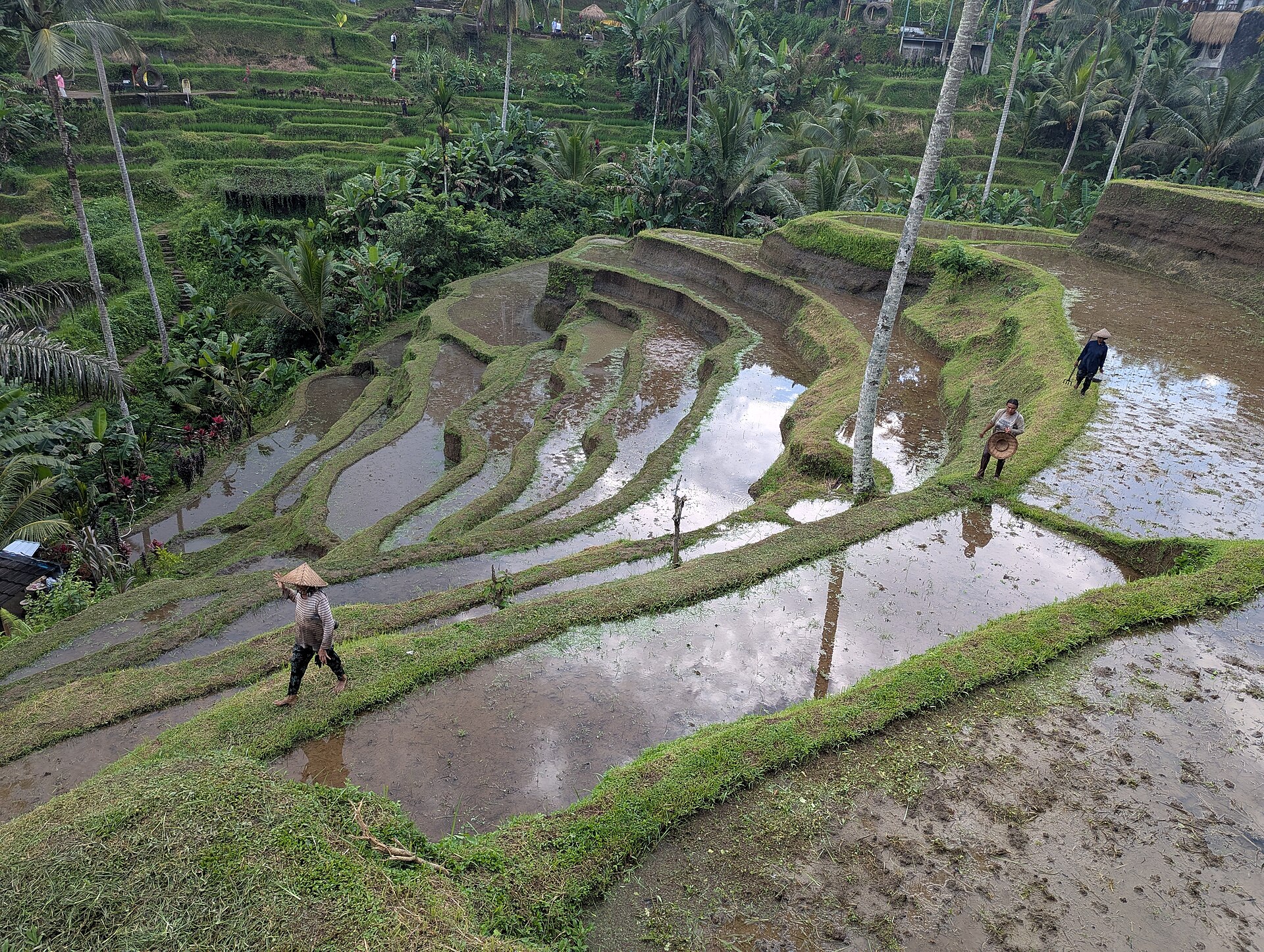
    North Bali, on the other hand, offers a fresh frontier for investors. While traditionally less developed, efforts to boost tourism are underway, with improved road networks and the upcoming North Bali Airport project anticipated to enhance accessibility. The comparative affordability of land and lower existing investment saturation provides fertile ground for lucrative ventures in the luxury transport sector. This region’s picturesque landscapes and serene environments, such as the lush terraced rice fields during the wet season (November to March), add unique appeal that can attract high-end travelers seeking exclusive experiences.

    Infrastructure Developments: A Strategic Perspective

    South Bali has long benefited from extensive infrastructure investments, including Ngurah Rai International Airport, numerous luxury resorts, and a robust network of roads. These developments have catered well to the mass tourism market, but they also result in higher initial capital requirements and ongoing operational costs for investors.

    Conversely, North Bali is on the brink of transformative infrastructure developments. The proposed North Bali Airport, expected to be operational by 2027, is a game-changer, promising direct international flights and increased tourist numbers. Improved roadways and the expansion of luxury accommodations like The Springs resort are positioning North Bali as an attractive investment hub with promising future yields. The increasing interest in eco-friendly transport solutions, driven by the area’s rich biodiversity and natural wonders, solidifies North Bali’s reputation as a future focal point for sustainable luxury travel investments.

    Economic Potential and Investment Yields

    The investment climate in South Bali is characterized by high property values and rental rates, resulting in potentially stable but modest returns in the luxury transport sector. With established markets come greater predictability but also capped growth opportunities as most prime locations are already heavily invested.

    In contrast, North Bali’s burgeoning development stage offers the potential for higher yields. The region’s relative affordability, coupled with increasing tourist interest in its cultural and natural attractions, supports a promising return on investment. While the market does carry risks typical of less mature economies, the reward potential for early investors can outweigh these concerns. For example, acquiring land in North Bali might cost around USD 50,000 per hectare, which is significantly lower than in South Bali’s hotspots, where prices can soar above USD 100,000 per hectare.

    Unique Attractions and Their Impact on Investment

    South Bali’s attractions, including its lively nightlife and well-known beaches, ensure a steady flow of tourists, which underpins stable demand for luxury transport services. However, the novelty factor is less pronounced as repeat visitors often seek new experiences.

    North Bali offers distinctive attractions such as the Gitgit Waterfall and the serene Lovina Beach, known for dolphin sightings. These unique experiences appeal to eco-tourists and those seeking tranquility, creating demand for bespoke luxury transport services that cater to niche markets. Investors can capitalize on this by developing tailored transport solutions that enhance the visitor experience in this region. Moreover, during the dry season from April to October, the clear skies and calm seas make it an ideal time for investing in water-based luxury transport services, such as premium yacht charters.

    Environmental and Climatic Considerations

    Environmental factors play a crucial role in shaping investment strategies. South Bali’s established areas face challenges such as coastal erosion and crowded beaches, which can impact tourism negatively. Conversely, while North Bali’s natural environment is less impacted by mass tourism, it does face challenges like the potential effects of the “Super El Niño” on local agriculture, affecting the broader economic landscape.

    The drier conditions predicted for 2027 due to climate anomalies could alter travel patterns, but they also present opportunities. Investors in North Bali can explore sustainable investment practices that align with growing eco-conscious tourist preferences, thereby enhancing both yield and environmental resilience. For example, investing in electric luxury transport options can cater to environmentally aware tourists and position North Bali as a leader in sustainable tourism practices.

    Tourism Trends and Their Influence on Transportation Needs

    South Bali’s appeal largely stems from its busy social scene and ease of access, fueling a consistent demand for luxury transport. However, as tourism trends shift towards experiential and sustainable travel, the demand for tailored, off-the-beaten-path transport solutions is increasing.

    In North Bali, this trend is even more pronounced. Tourists are increasingly drawn to experiences that connect them with local cultures and notable environments. This shift supports investments in luxury transport options that offer personalized experiences, such as private transfers to hidden cultural landmarks or guided tours of lesser-known natural attractions. As these trends continue to evolve, North Bali stands out as a region well-positioned to meet the future needs of high-end, experience-oriented travelers. Additionally, the anticipated rise in wellness tourism, focusing on holistic retreats set within North Bali’s natural and peaceful settings, further accentuates the demand for specialized transport services that cater to this market segment.

    FAQs

    Q? What makes North Bali a potentially better investment opportunity than South Bali in 2027?

    A: North Bali offers lower entry costs, emerging infrastructure, and untapped markets, providing higher potential yields and growth opportunities compared to the saturated markets of South Bali.

    Q? How will the North Bali Airport affect the luxury transport market?

    A: The new airport is expected to significantly boost tourist numbers, increasing demand for luxury transport services and enhancing connectivity, thus creating new investment opportunities in the region.

    Q? What are the environmental challenges for investing in North Bali?

    A: While less impacted by the effects of mass tourism, North Bali faces challenges from climate changes such as those predicted by the “Super El Niño.” However, these can also offer opportunities for sustainable and eco-friendly investment approaches.


    For wider arrangements, our partner baliluxurytransport can coordinate end to end.

    Back to home.

  • What Are the Tax Implications for Foreigners Buying Land in North Bali? A 2027 FAQ for Investor


    Investnorthbali: Tax Implications for Foreigners Buying Land in North Bali

    Understanding the tax implications for foreigners buying land in North Bali is crucial in 2027. Key aspects include income tax on rental income, capital gains tax, and annual property tax. Navigating Indonesian regulations is essential, as is considering the “Super El Niño” effect on agriculture and potential land uses in this scenic area.

    Income Tax on Rental Income

    For foreigners purchasing land in North Bali with the intention of generating rental income, it is important to understand Indonesia’s income tax policies. Rental income from property is subject to a 10% withholding tax. As a non-resident, this tax is generally withheld at source, meaning the tenant or property management company pays it directly to the tax authorities. This policy ensures that all rental income is taxed at the point of receipt, streamlining the process for both the taxpayer and the government.

    In addition to the withholding tax, foreigners must file an annual tax return if they have income derived from Indonesia. This ensures compliance with all local tax regulations and helps avoid penalties. It’s advisable to engage a local tax advisor to assist with these filings and to ensure that all income is accurately reported and taxed according to Indonesian law. The services of a tax advisor might cost around USD 500 annually, a worthwhile investment to prevent costly legal issues and optimize tax handling.

    Capital Gains Tax

    Capital gains tax applies when a foreigner sells property in North Bali. Indonesia imposes a flat-rate capital gains tax of 5% on the gross proceeds from the sale of property. This means the tax is calculated based on the sale price, not the profit made. It is important for investors to account for this tax when calculating the potential returns on their investment. For instance, if a property is sold for USD 200,000, a capital gains tax of USD 10,000 would be due, regardless of the initial purchase price.

    To optimize tax liabilities, investors may consider holding their property for a longer period, which might result in a higher appreciation of the land value, potentially offsetting the tax burden. As of 2027, there are no indications that these rates will change, but staying informed about legislative developments is recommended for strategic planning. Monitoring the Indonesian government’s updates on property taxes can help anticipate shifts in the real estate market dynamics.

    Annual Property Tax (PBB)

    In Indonesia, an annual property tax known as Pajak Bumi dan Bangunan (PBB) is charged to property owners. This tax is calculated based on the value of the land and any buildings on it. For foreign investors, understanding the assessment process is key, as the PBB can influence the overall cost of owning property in North Bali. Accurate assessments are crucial since discrepancies can lead to overpayment or legal disputes.

    As of 2027, the PBB rate remains relatively modest, typically around 0.5% of the calculated property value. However, the assessed value for tax purposes might differ from the market value, so it is crucial to have a clear understanding of local evaluation practices. Consulting local experts can help provide clarity on potential assessments and future tax obligations. For example, a property valued at USD 100,000 could incur an annual PBB of approximately USD 500, making expert consultation worthwhile.

    Structuring Property Ownership

    Foreigners looking to purchase land in North Bali must navigate the complexities of Indonesian property ownership laws. Direct freehold ownership is restricted to Indonesian nationals, so investors often turn to alternative structures. One common method is using a local nominee or forming a Penanaman Modal Asing (PMA) company, allowing foreign ownership through corporate entities. These structures provide a legal framework for owning property while adhering to national regulations.

    Each structure comes with its own legal and tax implications. Engaging a legal professional to navigate these options can ensure compliance with Indonesian law and optimize tax exposure. As regulations can evolve, staying informed about changes is crucial for maintaining legal property ownership. Legal fees for setting up a PMA company in Indonesia can range from USD 2,000 to USD 5,000, depending on the complexity and services required.

    Impact of “Super El Niño” on Agricultural Investments

    The anticipated “Super El Niño” heading into 2027 poses significant challenges for agricultural investments in North Bali, affecting water availability and crop yields. For investors looking to develop agricultural land, understanding these climatic impacts is crucial for planning and risk management. The region might experience a notable reduction in rainfall, potentially impacting traditional crops like rice and coffee.

    While North Bali’s lush environment offers opportunities for agricultural development, the dry and hot conditions expected during this climatic phenomenon underscore the need for strategic irrigation and crop selection. Researching resilient crop varieties and investing in sustainable water management technologies can offer ways to mitigate the risks associated with this weather pattern. For instance, systems like drip irrigation might cost around USD 1,000 per hectare but can significantly improve water efficiency.

    Long-Term Investment Strategies

    Investing in land in North Bali requires a long-term perspective, particularly given the region’s evolving infrastructure and tourism potential. While current data on exact appreciation rates are limited, historical trends suggest that strategic investments in developing areas can yield substantial returns as tourism and infrastructure improve. The development of new hotels and resorts, particularly eco-friendly ones, is anticipated to accelerate land value growth.

    The development of new roads and transport links, along with the potential for increased tourism in the region, present opportunities for property value appreciation. Investors should stay informed about local developments and government plans that might influence property values, ensuring timely adjustments to their investment strategies. Regularly reviewing local government announcements and infrastructure projects can help investors make informed decisions.

    Travel and Accessibility Considerations

    Accessibility to North Bali is an important consideration for investors, as it influences both the tourism potential and the ease of property management. Currently, the primary means of reaching North Bali involves a drive from Ngurah Rai International Airport in Denpasar, which takes approximately 3.5 hours under normal traffic conditions. This distance makes North Bali less accessible than popular southern destinations, but also preserves its natural beauty and tranquility.

    Efforts to improve infrastructure, such as proposed road expansions and potential new airport developments in North Bali, are being discussed. These improvements could reduce travel times and make North Bali more attractive for tourists and investors alike. Keeping abreast of these developments can provide strategic insights for investment timing, potentially aligning property purchases with infrastructure enhancements.

    FAQs

    Q? Can foreigners directly own land in North Bali?

    A Foreigners cannot directly own land in Indonesia, including North Bali, but can use structures like PMA companies to hold property legally.

    Q? What are the risks associated with agricultural investments due to “Super El Niño”?

    A The “Super El Niño” may lead to reduced rainfall and higher temperatures, impacting crop yields and requiring strategic planning for sustainable agriculture.

    Q? How often should property taxes be paid in North Bali?

    A Property taxes, known as PBB, are paid annually and are based on the assessed value of the land and any buildings on it.


    For wider arrangements, our partner baliluxurytransport can coordinate end to end.

    See also: Essential Packing Tips for North Bali Property Investors: Weather Gear and Document Checklists for 2027, Is North Bali Safe for Luxury Real Estate Investors in 2027? Crime Stats and Infrastructure Security Review · Home.

  • Is North Bali Safe for Luxury Real Estate Investors in 2027? Crime Stats and Infrastructure Sec


    Is North Bali Safe for Luxury Real Estate Investors in 2027? Crime Stats and Infrastructure Security Review

    Bali’s northern region presents a compelling opportunity for real estate investors in 2027, with crime rates relatively low and infrastructure improvements ongoing. As investors consider luxury properties in North Bali, understanding the local security landscape and development plans is crucial.

    Crime Statistics in North Bali

    Crime rates in North Bali have remained relatively low compared to the more tourist-heavy southern regions of the island. While urban areas globally face challenges, North Bali has maintained a reputation for safety, thanks in part to community initiatives and increased police presence. By 2027, improvements in law enforcement and community engagement have continued to ensure that the area remains secure for both residents and visitors.

    Incidents of theft and property-related crimes are minimal, often occurring at lower rates per capita than in the busy areas of Kuta or Seminyak. This security has contributed to a peaceful living environment, making it attractive for luxury real estate investments. Continuous monitoring of crime trends by local authorities has further solidified investor confidence in the region’s safety. This stability in the crime statistics is particularly appealing considering the region’s expansion, as it reassures investors of sustained safety despite growing tourism and development.

    Infrastructure Development in North Bali

    Infrastructure in North Bali has seen substantial upgrades, especially with roads and telecommunications. The Indonesian government has prioritized developing the north to stimulate economic growth and tourism. Improved road networks have reduced travel time from southern Bali, enhancing access to the budding real estate markets of Singaraja and Lovina Beach.

    Electricity and internet connectivity have also been focal points of development. By 2027, most areas in North Bali benefit from stable power supply and high-speed internet, both crucial for supporting luxury lifestyle amenities. These improvements are well-received by investors with an eye on both personal use and rental prospects. Additionally, local governments are exploring renewable energy sources to ensure that the power supply is sustainable, aligning with global trends towards eco-friendly living.

    Environmental Considerations and Impact

    North Bali’s environment remains a strong draw for investors, with lush landscapes and a relatively untouched coastline. However, the anticipated Super El Niño in 2027 brings concerns about water scarcity and agricultural impacts. These environmental factors require investors to consider sustainable building practices and water management systems to ensure long-term viability.

    The local government has initiated environmental protection programs to preserve the natural beauty and biodiversity of North Bali. These initiatives include reforestation projects and sustainable tourism practices, helping to mitigate the environmental impact of increased development and ensuring that North Bali remains appealing to environmentally conscious investors. The focus on maintaining natural resources also prevents overdevelopment, which could otherwise detract from the region’s natural charm and long-term investment appeal.

    Cultural Attractions and Lifestyle

    North Bali offers a rich cultural notable that enhances its appeal as a luxury real estate destination. Unlike the tourist-centric south, the northern regions like Singaraja and Lovina are steeped in traditional Balinese culture. Investors can explore local markets, historical sites, and lively festivals that offer a genuine Balinese experience.

    The lifestyle in North Bali is laid-back, with opportunities for wellness retreats and eco-tourism. The region is home to several lively spiritual and community-oriented events, drawing those interested in a holistic lifestyle. This unique cultural ambiance complements the luxury real estate offerings, providing a fulfilling lifestyle for residents and vacationers alike. As the region develops, preserving these cultural elements becomes a priority to maintain the authentic charm that attracts investors and tourists from around the world.

    Travel and Accessibility

    Access to North Bali has improved significantly with the development of the northern road networks. Travelers can now enjoy a more direct and scenic route from Ngurah Rai International Airport in Denpasar to Singaraja or Lovina, cutting travel time considerably. These road improvements, coupled with infrastructure investments, have made North Bali more accessible to international investors and tourists alike.

    Future plans include the potential development of an airport in northern Bali, further increasing accessibility and reducing travel time to this part of the island. Such developments are expected to boost real estate values by enhancing the region’s connectivity, making it an attractive prospect for luxury investment in 2027. The strategic location of the proposed airport could potentially lead to increased tourism flow, further driving up demand for luxury accommodations and experiences.

    Investment Opportunities and Market Outlook

    Despite the lack of specific 2027 data, the potential for property value appreciation in North Bali remains promising. The area offers relatively affordable land prices compared to the southern regions, with significant room for growth as infrastructure and accessibility continue to improve. Investors are particularly interested in beachfront properties and eco-friendly developments, which align with global demand trends.

    The market outlook for 2027 indicates a growing interest in luxury accommodations that focus on sustainability and unique cultural experiences. As North Bali evolves, the balance between maintaining its natural allure and accommodating luxury developments will be crucial. Investors who prioritize responsible development will likely see the greatest returns as the region gains prominence. Innovative projects incorporating balinese architecture with modern amenities are expected to attract high-net-worth individuals seeking unique and culturally rich living experiences.

    Community and Social Dynamics

    North Bali’s community dynamics play a significant role in enhancing the region’s appeal for luxury real estate investment. The area is characterized by a cooperative spirit and strong local engagement, which are essential for maintaining safety and fostering a sense of community. Social initiatives focused on education, health, and community development are actively supported by local and expatriate residents alike.

    Investors find value in the region’s emphasis on community-driven projects, which often incorporate traditional Balinese values and practices. This social framework not only supports the well-being of residents but also enhances the cultural experience for those investing in luxury properties. The collaborative atmosphere ensures that growth in North Bali benefits a broad spectrum of the population, contributing to social sustainability and community resilience.

    FAQs

    Q? Is North Bali safer than southern Bali for real estate investment?

    A: Yes, North Bali generally experiences lower crime rates compared to the more densely populated southern regions. This safety, coupled with community-driven security initiatives, makes it an attractive area for luxury real estate investment.

    Q? What infrastructure improvements are underway in North Bali?

    A: Significant investments have been directed towards improving road connectivity, electricity, and internet infrastructure in North Bali. These enhancements are designed to boost economic growth and make the region more accessible and appealing to investors.

    Q? How does the anticipated Super El Niño affect investment in North Bali?

    A: The Super El Niño could impact water availability and agriculture, prompting investors to consider sustainable practices. However, ongoing environmental preservation efforts are expected to mitigate potential negative effects, maintaining North Bali’s attractiveness as a real estate destination.


    For wider arrangements, our partner baliluxurytransport can coordinate end to end.

    See also: 5-Day North Bali Real Estate Itinerary: Visiting Top Resort Hubs and Transport Infrastructure Projects, Essential Packing Tips for North Bali Property Investors: Weather Gear and Document Checklists for 2027 · Home.

  • Essential Packing Tips for North Bali Property Investors: Weather Gear and Document Checklists


    Essential Packing Tips for North Bali Property Investors: Weather Gear and Document Checklists for 2027

    Investing in North Bali’s real estate market in 2027 requires careful preparation, especially when it comes to packing the right gear and essential documents. Understanding the local climate and gathering necessary paperwork can make a significant difference in your investment journey.

    Understanding North Bali’s Climate for 2027 Property Investment

    North Bali, known for its unique microclimate, often differs from the rest of the island. In 2027, it’s important to note the effects of the anticipated “Super El Niño,” which is expected to bring hotter and drier weather conditions. Unlike the south, where the wet season typically dominates from November to March, North Bali might experience prolonged dry spells, affecting both agriculture and daily living conditions. Investors should prepare for frequent water shortages and plan their visits around expected peak dry periods.

    The dry season, expected to be more intense, could amplify the region’s already dry conditions. This changing climate pattern could impact the local economy, and by extension, the real estate market. Therefore, understanding these weather patterns is crucial for investors planning property inspections or considering agricultural ventures. Carrying sun protection gear like broad-brimmed hats, UV-protection clothing, and high-SPF sunscreen is advisable to mitigate the effects of the harsher sun.

    Essential Weather Gear for North Bali

    Given the unpredictable weather influenced by the approaching “Super El Niño,” investors should prioritize packing appropriate gear. While the dry season promises warmth, sudden downpours are not uncommon, especially in the transitional periods. Lightweight, breathable rain jackets equipped with ventilation features are ideal for staying dry without causing discomfort in the humid heat. Additionally, sturdy waterproof footwear can protect against unexpected rain showers during site visits or property inspections.

    For those considering investments in the lush highland areas or near waterfalls like Banyumala, it is essential to prepare for varying temperatures. The cooler climates in these regions can be a stark contrast to the lowland heat, necessitating light layers such as fleeces or thermal tops for comfort. This versatile packing approach ensures investors remain comfortable and focused on their property investment goals, regardless of the weather.

    Document Checklist for North Bali Property Investors

    When preparing for a property investment trip to North Bali, having a comprehensive document checklist is imperative. First, ensure you have multiple copies of your passport, visa, and any necessary permits. The Indonesian government requires specific documentation for property transactions, including proof of eligibility to invest as a foreign national and any relevant tax identification numbers.

    Additionally, bringing detailed maps and layouts of potential investment sites can aid in effective property evaluations. These documents should be updated to reflect any recent changes in zoning laws or property boundaries, which are crucial for making informed investment decisions. It’s also wise to prepare digital backups of all documents and store them securely using cloud services for easy access and added security during your travels.

    Travel Logistics for Investors in North Bali

    Traveling to North Bali requires strategic planning to streamline your investment exploration. While flights directly to North Bali are limited, Denpasar International Airport serves as the primary access point. From there, a car journey to the northern regions such as Pemaron or Lovina can take approximately three to four hours, depending on traffic conditions. Investing in a reliable vehicle rental with GPS navigation can enhance your mobility and ensure timely arrivals at property sites.

    Understanding local transport options is equally important. While public transport is available, it is not as developed, making private hires or taxis a more dependable choice for time-sensitive schedules. This consideration is particularly crucial for investors planning multiple site visits within a short time frame. Budgeting approximately USD 50-100 per day for transportation expenses, including fuel, is prudent to accommodate varying travel distances and potential detours during your trip.

    Accommodation and Living Arrangements for Investors

    Finding suitable accommodation is a critical aspect of any investment trip. North Bali offers a range of options from modest local inns to luxury resorts. The Springs, located near the coastal area of Lovina, offers a serene retreat for investors seeking comfort and proximity to their investment sites. It’s advisable to book accommodations well in advance, especially during peak seasons, to secure competitive rates and preferred locations.

    For longer stays, serviced apartments or short-term rentals can provide a homely atmosphere with added privacy and space. This option is particularly appealing for those involved in lengthy negotiations or property developments. Expect to budget between USD 50 to 200 per night, depending on your choice of accommodation and the amenities offered. This planning ensures a comfortable and productive stay while focusing on your investment objectives.

    Cultural and Practical Considerations for Investors

    Immersing yourself in the local culture and customs is essential for building strong relationships and understanding the real estate market dynamics in North Bali. Learning basic Indonesian phrases can facilitate easier communication and demonstrate respect for local customs. This cultural awareness can enhance negotiations and partnerships with local stakeholders, who play a vital role in property investments.

    Additionally, understanding the practical aspects of daily life, such as local dining preferences and currency exchange rates, can lead to a more smooth transition during your investment stay. Familiarize yourself with local cuisine and small business operations, which can offer insights into the regional economy, indirectly impacting property values and investment potential.

    FAQs

    Q? What are the expected weather conditions in North Bali for 2027?

    A: Due to the anticipated “Super El Niño,” North Bali is likely to experience hotter and drier weather throughout 2027, affecting agricultural productivity and possibly leading to water shortages. This makes packing sun protection and staying informed about local weather forecasts crucial for investors.

    Q? What transportation options are available for navigating North Bali?

    A: While public transportation is limited, renting a vehicle with reliable GPS navigation is recommended for investors. This provides flexibility and ensures timely access to property sites. Budgeting for transportation, including potential detours, is important for efficient travel planning.

    Q? What accommodation options should investors consider in North Bali?

    A: Investors can choose from a range of accommodations, including local inns, luxury resorts, and serviced apartments. Booking in advance, especially during peak seasons, is advised to secure the best rates. Prices can range from USD 50 to 200 per night, depending on location and amenities.


    For wider arrangements, our partner baliluxurytransport can coordinate end to end.

    See also: North Bali vs. South Bali for Luxury Transport Investment: Which Region Offers Higher Yield in 2027?, 5-Day North Bali Real Estate Itinerary: Visiting Top Resort Hubs and Transport Infrastructure Projects · Home.

  • 5-Day North Bali Real Estate Itinerary: Visiting Top Resort Hubs and Transport Infrastructure P

    If you’re considering investing in North Bali real estate, this 5-day itinerary provides a comprehensive guide to the top resort hubs and transport infrastructure projects in the region. Understand the key areas for potential investment and the logistics involved, all while experiencing the unique charm of North Bali.

    Day 1: Arrival and Exploring Singaraja

    Start your journey in Singaraja, the largest town in North Bali. Known for its colonial architecture and lively local culture, Singaraja offers an intriguing mix of history and modernity. As you explore the city, notice the influence of Dutch architecture and a variety of cultural landmarks. The Gedong Kirtya library is a must-visit, housing a collection of ancient lontar manuscripts, offering insights into the region’s rich heritage.

    For those considering real estate investments, Singaraja presents several opportunities due to its ongoing infrastructural developments. The North Bali Airport Project, although still in planning stages, is set to increase accessibility to the region, potentially boosting property values. Currently, properties in Singaraja are relatively affordable compared to the more tourist-heavy southern regions of Bali, making it a strategic choice for early investment. The town’s strategic location, coupled with a diverse cultural heritage, makes it an attractive spot for both cultural tourism and residential investments.

    Moreover, Singaraja is set against a backdrop of mountainous terrain, which not only adds to its aesthetic appeal but also makes it a unique place for developing eco-friendly resorts or villas. The cost of land here is considerably lower, with prices averaging around $50,000 per hectare, making it an attractive proposition for investors looking at long-term growth potential.

    Day 2: Pemuteran and Its Marine Attractions

    On Day 2, head to Pemuteran, a coastal village renowned for its marine biodiversity and conservation efforts. This area is particularly famous for its coral restoration projects, which have become significant attractions for eco-conscious tourists. Pemuteran’s calm beaches and clear waters make it ideal for snorkeling and diving, providing a steady flow of visitors to local resorts.

    The real estate market in Pemuteran is burgeoning, driven by its sustainable tourism initiatives. Investing in eco-friendly resorts or accommodations here could be highly lucrative. As the northern coast gains more recognition for its natural beauty and conservation efforts, property values are expected to climb, presenting a promising opportunity for investors. The thriving tourism industry sees room rates in high-end resorts averaging around $150 per night, indicating strong rental yields.

    Pemuteran is also home to the largest artificial reef project in the world, the Bio-Rock Project, which has not only bolstered marine life but also increased the area’s global recognition. This commitment to environmental sustainability makes it a prime location for investors interested in eco-tourism development. Additionally, land here is relatively affordable, with potential for significant appreciation as global awareness of its offerings grows.

    Day 3: Lovina Beach and Dolphin Watching

    Lovina Beach, known for its calm seas and black sand beaches, is your destination for Day 3. This area is particularly famous for its early morning dolphin tours, a unique attraction that draws tourists from around the world. The tranquil nature of Lovina Beach, combined with its affordability, makes it a popular spot for both tourists and expatriates looking for a quieter Bali experience.

    Real estate opportunities in Lovina are diverse, ranging from beachfront villas to budget-friendly guesthouses. The presence of a stable expatriate community indicates a demand for both rental and owned properties. As infrastructure in North Bali continues to develop, Lovina is likely to see an increase in both tourist and investor interest. Beachfront properties here average around $100,000, a competitive price considering the serene environment and the growing interest in sustainable tourism.

    The local economy benefits from steady tourist inflow due to the dolphin sightings, with tour operators charging $20 per person for boat trips. This consistent tourist activity ensures a lively local economy, supporting various investment opportunities in hospitality and retail sectors.

    Day 4: Munduk and Its Scenic Waterfalls

    Travel to the highland village of Munduk on Day 4, famous for its striking waterfalls and cooler climate. Munduk offers a completely different atmosphere compared to the coastal areas, with lush greenery and panoramic views of the surrounding mountains. Key attractions include the Munduk and Banyumala waterfalls, both accessible via short trekking paths through the jungle.

    Munduk presents unique real estate opportunities due to its elevation and natural beauty. The cooler climate is a significant draw for tourists, particularly during Bali’s hotter months. Investing in eco-lodges or retreat centers here could attract eco-tourism and wellness-focused travelers, providing a niche market for property investors. The local agricultural sector, focusing on coffee and spices, adds another layer of investment opportunity, with agritourism becoming increasingly popular.

    Investment in Munduk not only offers the potential for high returns due to increasing tourist inflow but also provides an opportunity to contribute to sustainable practices. Given its cooler climate, Munduk is especially appealing during the dry season from April to October, when visitors flock to enjoy the refreshing escape from Bali’s heat.

    Day 5: Exploring Transport Infrastructure Developments

    On the final day, focus on understanding the transport infrastructure developments in North Bali. The planned North Bali Airport is a major project that promises to transform the region’s accessibility. While the project has faced delays, its completion is expected to significantly boost tourism and real estate demand in northern Bali.

    Investors should consider the potential impact of improved transport links on property values. Areas close to the proposed airport site are likely to become more attractive to both tourists and investors. Additionally, the development of better road networks will enhance travel within the region, making previously remote areas more accessible and viable for investment. With the projected airport completion in 2027, there is a window for early investment that could lead to substantial appreciation as the project progresses.

    The presence of a new airport will likely reduce travel time from southern Bali to the north, currently a 3-hour drive from Denpasar, to under an hour. This enhanced accessibility is anticipated to unlock new areas for development and significantly increase the region’s attractiveness for tourism and residential projects.

    Benefits of Investing in North Bali Real Estate

    Investing in North Bali real estate offers several advantages. The region is less commercialized than the south, providing a more authentic Balinese experience. This appeals to a growing number of tourists seeking tranquility away from the busy south. Additionally, property prices in North Bali are currently lower, offering higher potential for appreciation as the region develops.

    Moreover, North Bali’s focus on sustainable tourism and conservation efforts aligns with global tourism trends, potentially increasing its appeal and property value over time. With upcoming infrastructure projects, including the proposed airport, the region is poised for significant growth, making it an opportune time for investment.

    North Bali’s positioning as a hub for eco-friendly and sustainable tourism not only ensures compliance with global environmental standards but also appeals to the eco-conscious traveler. This, coupled with the planned infrastructure developments, posits North Bali as a future hotspot for real estate investment, with potential for both high financial returns and positive community impact.

    Local Culture and Community Engagement

    Engaging with the local culture and community is vital for any investment in North Bali. The area is rich with traditional Balinese customs, and understanding these can provide a deeper connection to the region. Regular cultural events and festivals, such as the North Bali Festival, showcase local arts, crafts, and food, offering investors insights into potential opportunities in cultural tourism.

    Property investors can find value in supporting community initiatives, which not only ensures goodwill but can also lead to successful partnerships with local businesses. Involvement in cultural preservation and local community projects can enhance the sustainability of investments and align them with the region’s values.

    Additionally, the North Bali region prides itself on a strong community spirit and local governance, which encourages responsible tourism and investment practices. This sense of community could be beneficial for investors looking to establish long-term projects that contribute to the area’s socioeconomic development, ensuring a positive impact for both the investor and the local populace.

    FAQs

    Q? What is the best time to visit North Bali for potential investment?

    A: The dry season, from April to October, is the best time to visit North Bali. During these months, the weather is more conducive to exploring properties and infrastructure projects.

    Q? How does the upcoming North Bali Airport impact real estate investment?

    A: The North Bali Airport is expected to greatly enhance the region’s accessibility, potentially increasing tourist traffic and boosting property values in surrounding areas.

    Q? What types of properties are popular for investment in North Bali?

    A: Popular investment properties include beachfront villas, eco-lodges, and guesthouses. The rising interest in sustainable tourism also opens opportunities for eco-friendly resorts and accommodations.

    For wider arrangements, our partner baliluxurytransport can coordinate end to end.

    See also: Cost of Buying Luxury Transport-Ready Land in North Bali: 2027 Price Per Square Meter Breakdown, North Bali vs. South Bali for Luxury Transport Investment: Which Region Offers Higher Yield in 2027? · Home.