
Blog

  • North Bali vs. South Bali for Luxury Transport Investment: Which Region Offers Higher Yield in


    North Bali vs. South Bali for Luxury Transport Investment: Which Region Offers Higher Yield in 2027?

    Investing in luxury transport in Bali requires a strategic approach. For 2027, while South Bali continues to thrive with its established tourism infrastructure, North Bali presents untapped potential with growing interest. Analyzing factors such as tourist demographics, regional development, and environmental impacts will help determine which region is poised to offer higher yields.

    Tourist Demographics and Preferences

    South Bali, particularly areas like Kuta, Seminyak, and Nusa Dua, remains a popular destination for tourists seeking lively nightlife and luxury resorts. These regions attract diverse visitors, ranging from young backpackers to affluent travelers looking for high-end accommodations. In 2023, South Bali recorded more than 6 million international arrivals, indicative of its enduring appeal. Additionally, the region’s nightlife and entertainment hubs contribute significantly to its allure, driving demand for transport services around the clock.

    Conversely, North Bali is emerging as an alternative destination for those seeking tranquility and cultural experiences. While it currently receives fewer visitors than the south, interest in eco-tourism and cultural immersion is rising. As of 2023, North Bali has seen a 15% increase in domestic and international visitors compared to previous years. This trend suggests a growing demand for luxury transport services in the region by 2027. The serene environment coupled with cultural richness offers a unique appeal that is gradually drawing more visitors who prefer off-the-beaten-path travel experiences.

    Infrastructure Development and Accessibility

    South Bali’s infrastructure is well-developed, with Ngurah Rai International Airport in Denpasar serving as the main access point. The region benefits from extensive road networks, tourist facilities, and public transport options, making it easily accessible. The drive from the airport to popular southern destinations takes between 15 to 45 minutes, depending on traffic. This ease of access has perpetually positioned South Bali as a convenient and preferred choice for tourists, boosting the luxury transport market.

    North Bali, on the other hand, is less developed but is undergoing significant infrastructural improvements. The proposed North Bali International Airport, expected by 2027, aims to boost accessibility and attract more tourists. This development could shorten travel time from the current 3-hour drive from Denpasar, enhancing the appeal of luxury transport investments in the area. The new airport promises to transform North Bali’s connectivity, potentially doubling the tourist influx and catalyzing local economic growth.

    Environmental Considerations and Climate Impact

    Environmental factors play a crucial role in shaping investment decisions. South Bali, while popular, faces challenges related to environmental degradation and over-tourism. The region’s natural resources are under pressure, which could impact long-term investment sustainability. The increasing tourist numbers strain local ecosystems, necessitating urgent sustainable practices to preserve South Bali’s charm and viability.

    North Bali, benefiting from less intensive development, presents opportunities for eco-friendly transport solutions. However, the anticipated Super El Niño in 2027 could bring drier weather, affecting agriculture and potentially influencing tourist activities. Investors should consider sustainable practices to mitigate environmental impacts and align with emerging eco-conscious tourism trends. By incorporating green technology and sustainable practices, North Bali can enhance its attractiveness to environmentally conscious travelers.

    Economic Potential and Land Costs

    South Bali’s established market offers stable returns, with luxury transport services enjoying consistent demand. Land costs in areas like Seminyak and Nusa Dua average between USD 500,000 to USD 1,000,000 per hectare, reflecting the premium associated with this prime location. The established tourism infrastructure ensures steady revenues, but high land prices require substantial initial investments.

    North Bali, despite its nascent stage, offers lower land acquisition costs, typically ranging from USD 50,000 to USD 200,000 per hectare. This affordability, coupled with increasing tourist interest, presents a lucrative opportunity for higher returns on investment by 2027. The region’s potential for appreciation remains significant as development projects progress. As more infrastructure and attractions are developed, property values and demand for luxury services are expected to increase substantially.

    Cultural Attractions and Tourism Activities

    South Bali is renowned for its luxury resorts, high-end dining, and lively beaches. Tourists flock to Uluwatu Temple and Tanah Lot for cultural experiences, while shopping and entertainment thrive in Seminyak and Kuta. These attractions continue to draw repeat visitors, sustaining demand for luxury transport services. The combination of traditional Balinese culture with modern amenities creates an appealing blend for international travelers.

    North Bali offers a different charm, with attractions like the serene Lovina Beach, Gitgit Waterfall, and the historic town of Singaraja. The region’s focus on cultural tourism and natural attractions aligns well with the growing preference for experiential travel. As more tourists discover these offerings, demand for premium transport services is expected to rise. The emphasis on cultural preservation and natural beauty provides an authentic experience that is increasingly sought after by discerning travelers.

    Investment Risks and Market Trends

    South Bali’s market stability comes with high competition and saturation risks. Investors must navigate these challenges to maintain profitability. Market trends indicate a shift towards personalized luxury experiences, requiring innovative transport solutions to stay competitive. The dense market necessitates differentiation, with unique offerings gaining an edge in attracting high-end clientele.

    North Bali, with less competition, offers a frontier for innovative luxury transport options. The region’s growth potential, compounded by government support for development initiatives, signals promising prospects. However, investors should remain vigilant of market dynamics and environmental factors, such as the Super El Niño, which may influence tourist patterns and investment returns. Strategic planning and sustainable practices are key to capitalizing on North Bali’s untapped potential while mitigating associated risks.

    Local Community Engagement and Impact

    Engaging with the local community is crucial for sustainable investment success in Bali. In South Bali, community programs often focus on integrating local culture into tourism, which enhances visitor experiences and benefits residents economically. By supporting local artisans and cultural initiatives, investors can strengthen community relations and contribute to regional development.

    In North Bali, where community-driven tourism is emerging, there are opportunities to collaborate with local stakeholders to create mutually beneficial ventures. Initiatives that prioritize local employment and cultural preservation can enhance the region’s appeal while fostering goodwill. Investors in luxury transport can leverage these partnerships to offer authentic experiences that resonate with conscientious travelers.

    FAQs

    Q? How does the proposed North Bali International Airport impact transport investments? A: The new airport is expected to significantly reduce travel times and improve accessibility, potentially increasing tourist numbers and demand for luxury transport services in North Bali.

    Q? What are the key environmental concerns for investing in North Bali? A: The primary concern is the impact of the Super El Niño, which may alter weather patterns and affect agricultural and tourism activities. Sustainable practices are crucial to mitigate these risks.

    Q? Is South Bali still a viable option for luxury transport investment? A: Yes, South Bali remains viable due to its established tourism infrastructure and consistent visitor demand, though investors should manage competition and consider innovative service offerings to enhance profitability.


    For wider arrangements, our partner baliluxurytransport can coordinate end to end.

    See also: How to Plan a 7-Day North Bali Investment Tour: From Airport to Off-Plan Property Showcases, Cost of Buying Luxury Transport-Ready Land in North Bali: 2027 Price Per Square Meter Breakdown · Home.

  • Cost of Buying Luxury Transport-Ready Land in North Bali: 2027 Price Per Square Meter Breakdown


    Cost of Buying Luxury Transport-Ready Land in North Bali: 2027 Price Per Square Meter Breakdown

    In 2027, the cost of buying luxury transport-ready land in North Bali is subject to various factors including location, accessibility, and infrastructure. Prices per square meter are influenced by the area’s development potential and market dynamics, making it crucial for investors to understand specific details before making a purchase.

    The Appeal of North Bali for Luxury Land Investments

    North Bali is increasingly attracting investors looking for opportunities outside the more saturated markets of southern Bali. The region’s appeal lies in its quieter atmosphere and potential for growth, offering a contrast to the busy tourist hubs. Rich in natural landscapes like the Banyumala Waterfall, North Bali provides a scenic and serene backdrop for luxury developments, enhancing its desirability among investors.

    Investments in this area are driven by both its natural beauty and strategic developmental plans. The local government has been focusing on enhancing infrastructure, such as new roads leading to popular sites like Pemuteran Bay, which is expected to boost property values over the coming years. This makes North Bali a promising location for those interested in long-term investments, particularly in luxury accommodations and resorts. Furthermore, the presence of cultural sites like the Brahmavihara-Arama Buddhist Monastery adds a unique charm that attracts a niche group of luxury travelers and potential investors.

    Current Price Per Square Meter in 2027

    As of 2027, the price per square meter for luxury land in North Bali varies significantly depending on the specific location and proximity to key infrastructure. Generally, prices range from $150 to $300 per square meter. Areas closer to newly developed roads and amenities, such as those providing quicker access to Ngurah Rai International Airport via improved highways, tend to command higher prices due to increased accessibility.

    Furthermore, land situated near popular attractions like Lovina Beach or with ocean views can see prices surpassing the $300 mark. Investors should thoroughly assess the market conditions and consult local real estate experts to obtain precise valuations and ensure informed decision-making. Additionally, seasonal considerations play a role, with the dry season from April to September typically being the prime time for land transactions due to more favorable weather conditions for site visits and assessments.

    Influencing Factors on Land Prices

    The cost of land in North Bali is influenced by various factors, including geographic location, accessibility, and available infrastructure. Areas closer to the coast or with views of significant natural landmarks often have higher land values. Additionally, regions with planned infrastructure projects or those already showing signs of development tend to attract more interest, thus driving up prices. For instance, proposed expansions of the Singaraja-Gilimanuk road could increase demand and value in surrounding areas.

    Another crucial factor is the demand for luxury properties. As more investors and tourists look to North Bali for its tranquil environment and cultural experiences, the demand for land suitable for upscale developments is expected to increase, impacting the overall price dynamics. This shift is partly fuelled by a growing trend of eco-friendly resorts and retreats that capitalize on the region’s lush landscapes and commitment to sustainability.

    Economic and Environmental Considerations

    Economic factors such as inflation rates and currency fluctuations can impact land prices in North Bali. The broader Indonesian economy’s performance is a significant determinant of investor confidence and pricing trends. Furthermore, government policies regarding foreign investments and land ownership also play a pivotal role, with recent reforms aimed at simplifying bureaucratic processes potentially leading to increased foreign interest.

    Environmentally, 2027 has seen increased awareness of climate change impacts. The Super El Niño phenomenon has led to drier conditions, affecting agriculture in the region. While this may pose challenges, it also underscores the importance of sustainable development practices, which could drive up the value of eco-conscious investments. Projects that focus on sustainability, such as solar-powered accommodations and water conservation systems, are gaining traction as the impacts of climate change become more pronounced.

    Development Potential and Future Outlook

    North Bali is poised for substantial development, with the government investing in infrastructure projects aimed at boosting the region’s attractiveness to tourists and investors. Improvements in transportation, including road expansions and better connectivity to southern Bali, are key developments that could enhance land values. Strategic locations near planned developments, such as the proposed new airport in the north, are particularly appealing to forward-thinking investors.

    The future outlook for North Bali’s luxury land market appears positive, with expectations of steady appreciation in property values. Investors should be attentive to new development announcements and changes in regional planning laws, which could provide lucrative opportunities for early investments. The addition of new cultural and recreational facilities, such as art galleries and international cuisine restaurants, further amplifies the region’s appeal, making it a hotspot for luxury tourism and real estate growth.

    Practical Steps for Prospective Investors

    Prospective investors in North Bali’s luxury land market should conduct thorough research, including site visits and consultations with local real estate agents who have in-depth knowledge of the region. Understanding the specific legal and regulatory framework governing land purchases is crucial for ensuring a smooth transaction process. Engaging a legal advisor familiar with Indonesian property laws can help navigate potential pitfalls.

    Additionally, investors should consider the long-term potential of their chosen location, assessing factors such as access to amenities, environmental sustainability, and the likelihood of further infrastructure developments. A strategic approach that balances immediate costs with future gains can optimize investment outcomes. For example, properties near areas with scheduled eco-tourism initiatives may offer higher returns as demand grows for sustainable travel experiences.

    Exploring Cultural and Recreational Ventures

    In addition to pure real estate investments, North Bali offers diverse opportunities for cultural and recreational ventures appealing to both tourists and residents. The region’s rich heritage and notable natural environment make it an ideal location for developing facilities such as wellness retreats, adventure parks, and cultural centers.

    For instance, establishing a yoga retreat capitalizes on the growing global wellness trend and the serene surroundings of the Balinese countryside. Meanwhile, adventure parks that leverage the area’s rugged terrain can attract thrill-seekers and families alike. Cultural centers that showcase Balinese art, dance, and crafts can also provide an immersive experience for visitors, enhancing North Bali’s reputation as a cultural hub and boosting the potential for profitable investments in the tourism sector.

    FAQs

    Q? What is the average price range for luxury land in North Bali as of 2027?
    A: The average price per square meter ranges from $150 to $300, depending on location and proximity to infrastructure and attractions.

    Q? How does infrastructure development impact land values in North Bali?
    A: Improved infrastructure, such as road expansions and connectivity with southern Bali, can significantly increase land values by making the area more accessible and attractive for development.

    Q? What environmental factors should investors be aware of in 2027?
    A: The Super El Niño of 2027 has led to drier conditions, impacting agriculture. Investors should consider the implications of climate change and the benefits of sustainable development when purchasing land.


    For wider arrangements, our partner baliluxurytransport can coordinate end to end.

    See also: Best Time to Invest in North Bali Luxury Real Estate for 2027: Dry vs. Wet Season Guide, How to Plan a 7-Day North Bali Investment Tour: From Airport to Off-Plan Property Showcases · Home.

  • How to Plan a 7-Day North Bali Investment Tour: From Airport to Off-Plan Property Showcases


    How to Plan a 7-Day North Bali Investment Tour: From Airport to Off-Plan Property Showcases

    Planning a 7-day investment tour in North Bali requires strategic scheduling from your airport arrival to property viewings. This guide helps you navigate each step, ensuring a well-organized exploration of potential investment opportunities in this promising region.

    Day 1: Arrival and Acclimatization

    Your journey begins at Ngurah Rai International Airport in Denpasar. As Bali’s primary access point, it connects you to North Bali within a few hours by car. Upon arrival, it’s advisable to arrange a private car service or rent a vehicle to navigate the island efficiently. The drive to Northern Bali, particularly areas like Singaraja or Lovina, can take approximately 3 to 4 hours, depending on traffic. This allows you time to acclimatize and prepare for the week ahead.

    Upon reaching your accommodation, take the rest of the day to unwind. North Bali is less developed than the southern parts, providing a serene environment to relax. Consider staying at local accommodations like beachfront villas or eco-resorts that offer a blend of comfort and proximity to natural attractions. Accommodation costs can range from $70 to $150 per night, depending on the season and specific amenities offered.

    Day 2: Exploring the Local Area

    Begin your investment tour with a cultural overview of North Bali. Visit traditional markets in Singaraja, the former colonial capital. The markets here offer a glimpse into the local economy and provide insight into the lifestyle and spending habits of potential future tenants or buyers. Engage with local vendors and perhaps arrange meetings with local property agents to understand the market better.

    In the afternoon, venture to Lovina Beach. Known for its black sand beaches and dolphin sightings, Lovina also offers opportunities to explore investment in eco-friendly tourism accommodations. Consider discussing these opportunities with local developers who have insight into sustainable investments in the area. Dolphin tours typically cost around $10 to $20 per person, depending on the operator and duration.

    Day 3: Property Tours – Villas and Land

    Day three is reserved for property tours. North Bali offers a range of investment opportunities from off-plan villas to expansive land plots. Engage a local real estate agent who can provide access to exclusive listings not always available online. Focus on areas around Lovina and Singaraja where development is gradually increasing.

    Villas in North Bali can range from $200,000 to upwards of $500,000, depending on location, size, and amenities. Land prices vary significantly, with some rural plots available for as low as $50,000 per hectare. Ensure you have a reliable legal advisor to assist with negotiations and understand local regulations regarding foreign ownership. The wet season, generally spanning from November to March, may affect property conditions, so schedule viewings accordingly.

    Day 4: Engaging with Local Authorities

    Understanding local regulations and building codes is crucial in any property investment. Schedule a meeting with local governmental offices in Singaraja. Here, you can gather information on zoning laws, permits required for property development, and any potential changes in local policies affecting real estate.

    These meetings are also an opportunity to ask about any upcoming infrastructure projects, such as road expansions or public transport developments, which could enhance property values and investment appeal in the region. Development projects like the proposed Singaraja Airport expansion may significantly impact future real estate values.

    Day 5: Networking with Developers and Investors

    North Bali’s investment community, while smaller than in other parts of Bali, is growing. Arrange meetings or networking sessions with local developers and fellow investors. These contacts can provide valuable insights into the current market trends and emerging opportunities that may not yet be public knowledge.

    Consider attending local real estate meet-ups or property expos if available during your visit. These events are excellent for building a network and can introduce you to potential partners or co-investors interested in similar ventures. Participation in these events may require registration fees ranging from $30 to $100, depending on the scale and organizers.

    Day 6: Analyzing Investment Opportunities

    By now, you should have a wealth of information and contacts. Dedicate this day to reviewing the properties and land you visited and the insights gathered from local experts. Analyze the potential return on investment, considering factors like tourism prospects, planned infrastructure developments, and environmental considerations, especially with the anticipated climate impacts like the “Super El Niño.”

    Draft a shortlist of properties that meet your investment criteria, considering both short-term returns through rental income and long-term appreciation potential. This analysis should inform your final day decisions and any immediate actions or commitments. Consider factors such as proximity to attractions like the Banyumala Twin Waterfalls, which could influence rental demand.

    Day 7: Final Decisions and Departure

    The final day of your tour allows for last-minute viewings or follow-up meetings with agents and developers. Use this day to clarify any outstanding questions or negotiations before making any binding commitments.

    As you prepare for departure, ensure all required documentation is in order and that you have a clear action plan for post-tour follow-up. Whether you decide to invest immediately or continue exploring options, the groundwork laid during this week provides a solid foundation for entering the North Bali property market. Consider the best seasons for investment activities, ideally during the dry season, from April to October, to maximize travel and inspection efficiency.

    Day 8: Exploring Cultural and Natural Attractions

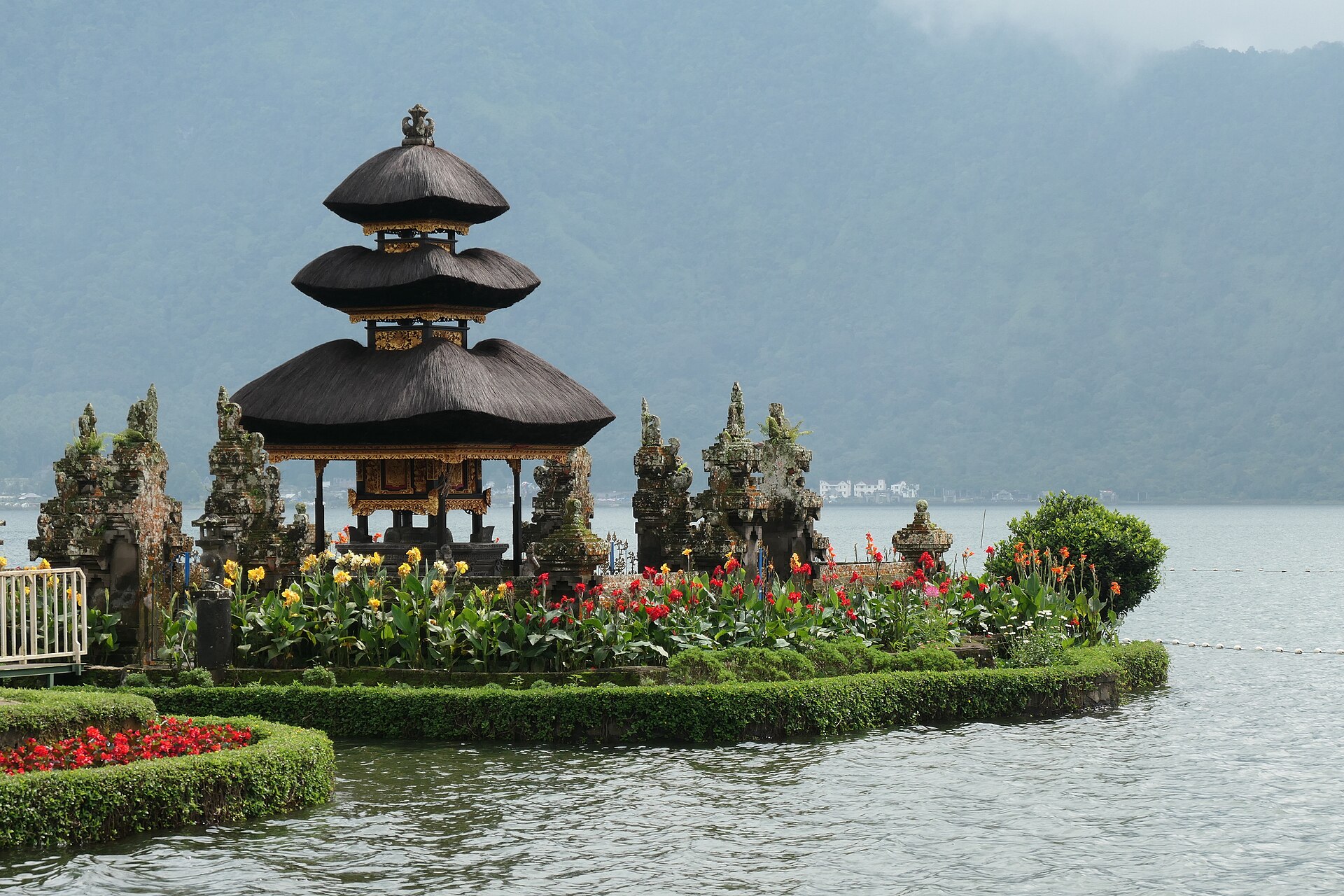
    Extend your stay to engage yourself in the cultural and natural wonders of North Bali. Visit the iconic Pura Ulun Danu Bratan, a major water temple that captivates visitors with its unique architecture and striking lakeside setting. This site not only attracts tourists but also presents opportunities for investment in nearby hospitality ventures.

    Another must-see is the Munduk Waterfall, where the lush surroundings offer a chance to explore eco-tourism potential. The area’s biodiversity and scenic landscapes are attractive to both nature enthusiasts and investors interested in sustainable tourism. Local guided tours typically cost around $15 to $30, providing insights into the region’s ecological and cultural significance.

    FAQs

    Q? Is it possible to invest in North Bali as a foreigner? A: Yes, foreigners can invest in Bali. However, it’s essential to understand local laws, which often require specific structures such as a leasehold or setting up a local company to own property.

    Q? What are the transportation options from Denpasar to North Bali? A: Travelers can rent a car or hire a private transfer to reach North Bali. The journey typically takes 3 to 4 hours by road, depending on traffic and weather conditions.

    Q? How does the “Super El Niño” affect investment opportunities in North Bali? A: The “Super El Niño” may impact agricultural yields and water supply, factors worth considering if investing in agricultural land or eco-tourism properties. It’s advisable to consult with environmental experts when planning such investments.


    For wider arrangements, our partner baliluxurytransport can coordinate end to end.

    See also: Best Time to Invest in North Bali Luxury Real Estate for 2027: Dry vs. Wet Season Guide · Home.

  • Best Time to Invest in North Bali Luxury Real Estate for 2027: Dry vs. Wet Season Guide


    Best Time to Invest in North Bali Luxury Real Estate for 2027: Dry vs. Wet Season Guide

    When planning to invest in North Bali luxury real estate for 2027, understanding the climate’s impact during the dry and wet seasons is crucial. The dry season generally offers more favorable conditions for property inspections and developments, while the wet season presents unique opportunities to secure advantageous deals.

    Understanding the North Bali Climate

    North Bali experiences a tropical climate with distinct dry and wet seasons. The dry season typically spans from April to September, characterized by low humidity and minimal rainfall. This period offers a stable environment for real estate activities, allowing for easier access to properties and construction sites. Properties in areas like Lovina and Singaraja benefit from this predictability, as roads remain accessible and construction processes are less likely to be delayed.

    In contrast, the wet season runs from October to March, bringing higher humidity and substantial rainfall. These conditions can sometimes hinder property viewings and development projects but may also lead to reduced competition among buyers, presenting potential investment opportunities. Coastal properties, especially in areas like Tejakula, may experience decreased buyer traffic, allowing investors to negotiate more favorable terms.

    Dry Season Advantages for Real Estate Investment

    The dry season in North Bali is an optimal time for investors to explore real estate opportunities. The absence of rain ensures that road conditions remain favorable, making it easier to travel between different locations and evaluate various properties. This period is ideal for site visits, allowing investors to thoroughly assess property conditions, views, and potential renovations without weather-related hindrances. A trip from Denpasar to Lovina, for example, is smooth and uninterrupted, providing a clear view of investment potentials.

    Moreover, the dry season aligns with the peak tourist period in Bali, which can be advantageous for investors interested in properties that cater to visitors. High tourist numbers often translate to increased demand for rental properties, offering lucrative short-term rental yields. Areas such as Pemuteran, known for its diving spots, see a surge in tourists, enhancing the attractiveness of investing in holiday villas or rental accommodations.

    Wet Season Considerations for Real Estate Investment

    While the wet season poses challenges, it also offers unique opportunities for savvy investors. During this period, the reduced number of tourists can lead to less competitive pricing on luxury real estate. Sellers might be more willing to negotiate, particularly if they are looking to close deals before the year’s end. For instance, properties with lush gardens show their full potential during this season, offering a glimpse into the thriving tropical environment.

    The wet season also provides a realistic perspective on property resilience to weather conditions. Observing properties during heavy rainfall allows investors to identify potential drainage issues or water damage, which can be crucial for long-term investment planning and maintenance. Areas prone to flooding, such as low-lying coastal regions, can be assessed for their preparedness against adverse weather conditions.

    Impact of Environmental Factors on Investment Decisions

    Heading into 2027, environmental factors such as the anticipated “Super El Niño” could influence investment strategies in North Bali. This phenomenon may lead to drier conditions throughout Indonesia, affecting agricultural productivity but potentially offering a more stable climate for property development during traditionally wetter months. Investors should be aware of how these changes might affect key commodities and influence regional economic health.

    Investors should consider the broader implications of climate changes on the real estate market, including shifts in tourism patterns and infrastructure developments that may arise in response to these environmental challenges. For example, a drier climate may extend the tourist season, enhancing the appeal of short-term rental properties, especially in popular destinations like the northern coastline.

    Economic and Infrastructure Developments in North Bali

    As North Bali continues to grow, infrastructure developments are poised to enhance the region’s appeal to investors. Planned improvements in transportation networks, such as new roadways or airport expansions, can significantly impact property values and accessibility. The strategic development of the new North Bali International Airport is expected to streamline travel, reducing the travel time from major hubs and attracting more visitors to the region.

    Economic initiatives aimed at boosting local businesses and tourism will further support real estate investments. Investors should stay informed about government policies and development projects that may influence property prices and investment viability in the coming years. The implementation of eco-friendly resorts and sustainable tourism practices are also factors that could drive up property values in areas committed to preserving the natural beauty of Bali’s northern regions.

    Investment Strategies Amidst Global Economic Trends

    Investors looking to enter the North Bali real estate market should take global economic trends into account. The anticipated global recession heading into the late 2020s could influence investment opportunities, making North Bali a potentially attractive option due to its relatively lower entry costs compared to the more saturated markets in Southern Bali. Investors should monitor global interest rates and currency fluctuations, which can impact purchasing power and investment returns.

    Furthermore, as remote work becomes more prevalent, North Bali’s quieter and more serene environment could attract digital nomads and expatriates seeking long-term stays, driving demand for residential properties. The region’s commitment to infrastructure improvements and sustainable development aligns well with global trends towards sustainability and quality of life, making it a promising area for future investments.

    Tips for Successful Real Estate Investment in North Bali

    To maximize success in investing in North Bali’s luxury real estate market, investors should conduct thorough due diligence. This includes researching property histories, verifying legal documentation, and understanding zoning regulations. Partnering with local real estate experts can also provide invaluable insights into market trends and opportunities. Engaging with reputable agents familiar with specific regions like Buleleng can lead to more informed decision-making.

    Additionally, diversifying investments to include a mix of residential and commercial properties can mitigate risk and enhance potential returns. By carefully assessing seasonal impacts and market dynamics, investors can position themselves advantageously in the evolving North Bali real estate landscape. Investing in eco-friendly developments or properties that offer unique cultural experiences can also enhance appeal to the environmentally conscious market segment.

    FAQs

    Q? What is the best season for purchasing real estate in North Bali?

    A: The dry season, from April to September, is generally the best time to purchase real estate due to favorable weather conditions, making property inspections and construction projects more manageable.

    Q? How does the “Super El Niño” influence real estate investments in North Bali?

    A: The “Super El Niño” could lead to drier weather conditions, potentially benefiting real estate developments by reducing weather-related delays. However, it may also affect agricultural productivity, influencing economic factors related to the real estate market.

    Q? Are there economic developments in North Bali that could impact real estate investment?

    A: Yes, economic and infrastructure developments, such as enhanced transportation networks and tourism initiatives, are expected to positively impact real estate values and investment opportunities in North Bali.


    For wider arrangements, our partner baliluxurytransport can coordinate end to end.

    Back to home.